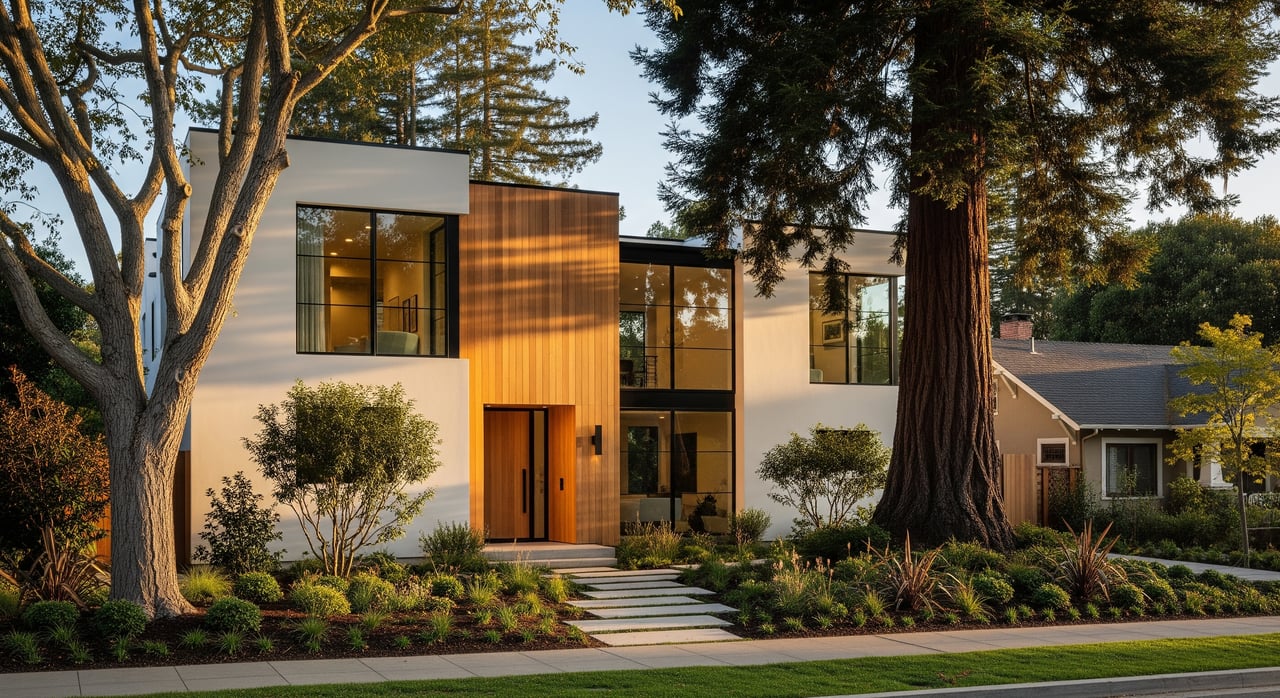
New Construction vs. Resale in Menlo Park
December 18, 2025
December 18, 2025
Is a brand-new home in Menlo Park worth the premium, or does an updated resale on a great lot deliver more value? If you are weighing both options, you are not alone. In a high-demand market like Menlo Park, the right choice comes down to timing, risk, long-term costs, and neighborhood fit. This guide breaks down what truly matters so you can decide with confidence. Let’s dive in.
New construction in Menlo Park typically carries a premium. You are paying for modern finishes, current building and energy codes, and customization. Builders may offer incentives, but pricing usually reflects the “new” premium and developer margins.
Resale pricing depends on location, lot size, and condition. In many Menlo Park neighborhoods, an older home on a desirable lot can command a strong price, especially if it has thoughtful updates. With resales, you may be able to negotiate concessions depending on market timing.
Key points to compare:
New construction often means a longer path. From permitting to completion, timelines can extend many months or more. Builder contracts may include staged deposits, change-order processes, and different closing structures.
Resales follow a more familiar path. Typical escrows run about 30 to 45 days with standard contingencies for inspections, appraisal, and loan. If you need to move soon, resale usually fits better.
New homes reduce near-term maintenance because they meet current building, energy, and safety standards. Still, issues can arise. Independent inspections at foundation, framing, and final are smart moves, even with a builder warranty. Many builders provide limited warranties with shorter workmanship coverage and longer structural coverage, so verify what is included and how claims work.
Resales require thorough due diligence. You should order a general home inspection and specialty inspections as needed, such as pest, roof, sewer, electrical, HVAC, or structural. Older homes may need seismic retrofits or system upgrades.
New construction is generally more energy efficient. Expect modern HVAC, better insulation, high-efficiency windows, and EV readiness. Many new single-family homes in California are solar-ready or include solar to meet current standards.
Resale operating costs vary widely. Homes without updated systems can have higher utilities and maintenance. Some older properties have completed seismic work that can help reduce risk and future retrofit costs.
California’s Proposition 13 limits annual property tax increases after purchase. New construction buyers receive a base assessment that reflects the new build’s value. Major additions or new improvements can trigger reassessment for current owners.
You should also confirm any special assessments. Some subdivisions or larger infill projects carry Mello-Roos Community Facilities District obligations that add ongoing costs. These can materially affect your monthly budget.
Menlo Park’s planning and design review processes can affect both timelines and feasibility for new projects. State laws like SB9 and ADU rules create opportunities for additional units, but local objective standards, historic protections, and site conditions still apply. If you are considering redevelopment, plan an early conversation with Menlo Park Planning staff to clarify what is possible.
Neighborhoods across Menlo Park vary by lot size, street character, and proximity to amenities such as transit and parks. School district boundaries are a frequent factor in buyer demand. Always verify specific boundaries directly with the relevant districts.
Earthquake insurance is a separate policy in California. Underwriting and premiums depend on age, construction type, and seismic mitigation, such as foundation bolting or bracing. New builds that meet current codes can see more favorable underwriting.
Flood risk is a focus near the Bayfront and lower elevation areas. New construction in these zones may require additional mitigation and potentially flood insurance. Wildfire risk is generally lower in central Menlo Park than in hilly areas of the county, but materials and defensible space still matter.
New construction appeals to buyers who want turnkey living, energy efficiency, and modern layouts. In neighborhoods where teardown-and-rebuild is common, a new home can align well with buyer expectations. In areas with established character or historic fabric, resale homes with mature landscaping and thoughtful updates can perform equally well.
For resales, location often drives outcomes. Proximity to green spaces, commute routes, and services can outweigh age if the home shows well and systems are in good shape.
Construction and construction-to-perm loans work differently than standard mortgages. They involve draw schedules and interest during the build phase. Lenders may require larger down payments in high-cost markets and can be conservative when there are few recent new-home sales to use as comparables.
With resales, traditional financing is more straightforward, and appraisal risk is often lower when ample comparables exist. Still, prepare for potential appraisal gaps in fast-moving segments.
If you own a Menlo Park property, deciding to sell as-is or redevelop deserves a careful financial model. Compare the expected sale price of the existing home against projected net proceeds from a teardown or significant addition. Include land value, construction costs, soft costs, holding costs, and the time risk of entitlements.
Choose new construction if you value modern systems, energy efficiency, and customization, and you have flexibility on timing. Choose resale if you want established neighborhoods, mature lots, and quicker move-in with potential for negotiated terms.
If you want a data-driven comparison of both paths, with clear costs, timelines, and resale forecasts, connect with Payne Sharpley and his team. You will get boutique guidance backed by top-tier marketing reach and expertise in land, redevelopment, and premium listings. Ready to talk through your options or get pricing for both paths? Contact Payne Sharpley to get started.
Stay up to date on the latest real estate trends.


Ready to buy, sell, or invest in Silicon Valley real estate? Connect with Payne Sharpley today and experience expert guidance, clear communication, and results you can trust.