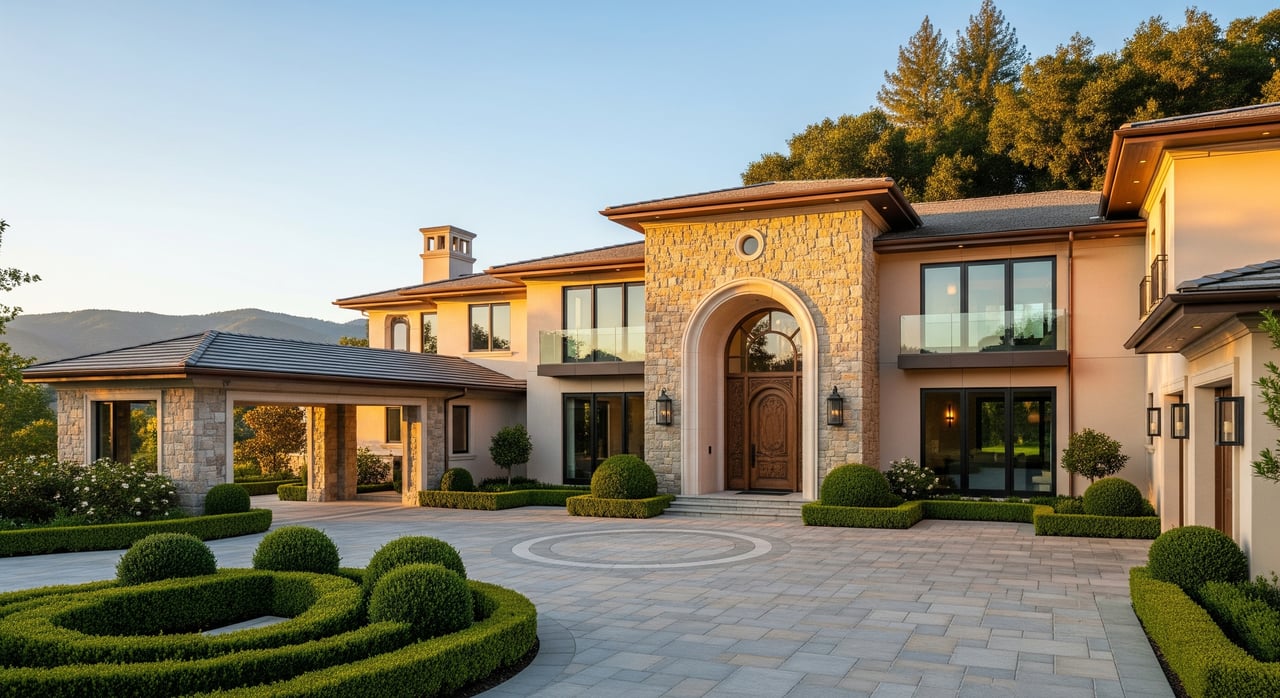
Pricing Your Saratoga Home for Multiple Offers
December 25, 2025
December 25, 2025
Thinking about listing your Saratoga home and wondering how to price it so buyers line up? You are not alone. In a market with affluent buyers, low new construction, and distinct micro-markets, the right price can spark real momentum. In this guide, you will learn how to set a strategy that attracts multiple qualified offers while managing risk and protecting your bottom line. Let’s dive in.
Saratoga sits in a high-value corner of Silicon Valley with a buyer pool that often includes technology professionals, executives, and local downsizers. Many buyers prioritize privacy, larger lots, and well-regarded schools, which can raise urgency when the right home appears. New construction is limited, so move-in-ready single-family homes carry strong appeal.
Micro-markets matter. Town center streets, foothill properties, and more secluded neighborhoods each have different price-per-square-foot ranges, buyer expectations, and showing patterns. Treat your pricing analysis by subarea rather than using citywide averages.
Seasonality plays a role. Late winter through spring often brings more family buyers who want to settle before a new school year. Coordinating your launch with these cycles can increase showings in the first two weeks.
This approach lists slightly below the supported market value to broaden exposure and prompt competing offers. It works best when inventory is low and demand is strong for your price tier. You trade a higher initial ask for the chance to create an auction-like environment.
Here you price at a well-supported value backed by a tight comparative market analysis. You still can draw multiple offers with strong preparation and marketing. This path favors predictable appraisal outcomes and steady buyer interest.
Listing above market value tests the upper limit but rarely produces multiple offers. It may be suitable for highly unique or luxury properties in fast-moving niches, yet it increases days on market and can deter early traffic.
Buyers sort homes using price ceilings. Small shifts can change who sees your listing. For example, $1,995,000 may capture more saved searches than $2,000,000. These thresholds differ by bracket, so confirm how buyers are filtering in your micro-market.
Think about the pricing sweet spot. You want to sit where the largest number of qualified buyers is looking, not just the lowest possible ask. Your agent should show you how different brackets perform and where showing activity concentrates.
A Saratoga-focused comparative market analysis should be precise and current. Ask your agent to include:
Adjustment factors to review:
Concentrate interest in the first 7 to 10 days. Align your go-live with local buyer rhythms, including weekends for open houses and the spring window that attracts family movers. Your agent can advise on tech-company bonus or IPO cycles that sometimes influence activity.
If appropriate, consider an offer review date. A defined deadline can focus buyers, though some may prefer flexibility. Follow local MLS rules and keep communication clear.
An aggressive price only works if your product shines. Complete a pre-list preparation plan:
Your first impression online sets the tone. Ensure your listing syndicates widely with accurate price banding and a full media set. Highlight objective advantages that resonate in Saratoga, such as lot size, layout, commute access, and neighborhood amenities.
In-person, aim for concentrated early traffic. Host well-timed open houses and coordinate broker tours. Target outreach to agents who actively place Saratoga buyers so they mobilize clients before your review date.
To reduce noise and keep momentum strong, have your agent require:
State your expectations early. If you plan to request highest-and-best after the first round, let all agents know. Define your preferred closing date, occupancy needs, and any leaseback terms so buyers can align.
The highest number is not always the best outcome. Weigh each offer on certainty, speed, and terms. Use a simple scoring approach:
Escalation clauses can help raise your final price but should be clearly drafted and verified. Have your agent confirm the competing offer basis and ensure the language is enforceable.
Underpricing to spur competition can push the final price above recent comps. That creates appraisal risk if the buyer’s loan depends on an appraised value. To stay protected:
California requires robust seller disclosures. Be ready with the Transfer Disclosure Statement, Natural Hazard Disclosure, and lead-based paint disclosure for homes built before 1978. Provide HOA documents if applicable and disclose known defects, unpermitted work, or material facts that could affect value or safety.
Keep MLS and fair housing compliance top of mind. Avoid discriminatory language, follow offer deadline rules, and be transparent about how your list price was set.
Underpricing is not a fit for every property. Results can disappoint when:
If any of these apply, consider fair pricing and lean on high-caliber presentation and targeted outreach to reach the right buyer.
When you want data-driven pricing, high-touch preparation, and broad distribution to qualified buyers, align with a listing advisor who pairs analytics with premium marketing and multilingual reach. For boutique service backed by team and brokerage scale, connect with Payne Sharpley to plan your Saratoga sale.
Stay up to date on the latest real estate trends.








Ready to buy, sell, or invest in Silicon Valley real estate? Connect with Payne Sharpley today and experience expert guidance, clear communication, and results you can trust.