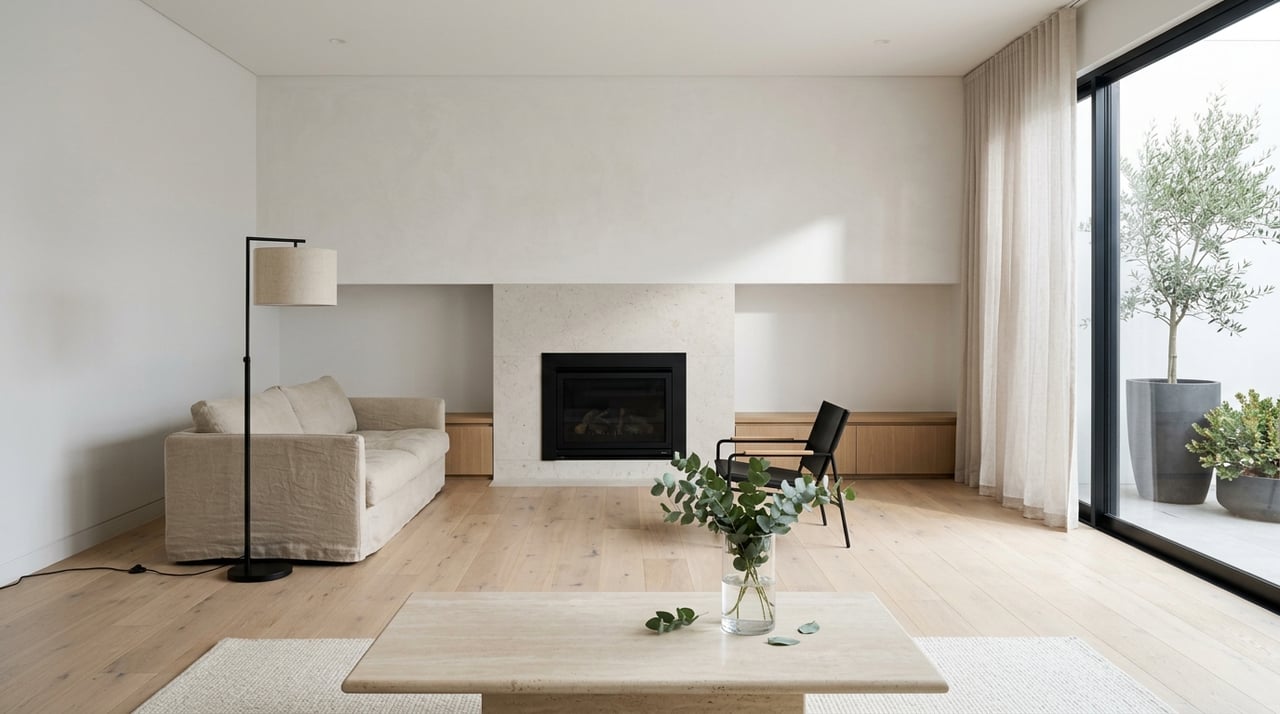
How To Prep Your Palo Alto Luxury Home Listing For Top Offers
April 2, 2026
April 2, 2026
If you are preparing to sell a luxury home in Palo Alto, your first week on the market can shape the entire result. In a market where homes have been selling quickly and many receive multiple offers, buyers notice every unfinished detail, every missing document, and every weak photo. The good news is that a smart, disciplined prep plan can help you present your home with confidence, reduce buyer hesitation, and create the conditions for stronger offers. Let’s dive in.
Palo Alto remains a fast-moving, high-price market. Redfin’s Palo Alto housing market data reported a February 2026 median sale price of $3.208 million, 13 days on market, and many homes selling above list price. Zillow’s February 2026 dashboard also showed limited inventory and quick pending timelines, which points to a market where buyers move fast when a listing feels complete.
That speed cuts both ways. When your home launches with deferred maintenance, unclear disclosures, or incomplete marketing, you may lose momentum during the short window when new listings get the most attention. In a luxury price range, buyers often expect strong presentation from day one.
Before you think about staging or photography, focus on the home’s condition and paperwork. In California, disclosure is not optional or casual. The California Department of Real Estate disclosure guidance explains that agents must conduct a reasonably competent and diligent visual inspection and disclose material facts that affect value, desirability, or intended use.
The Real Estate Transfer Disclosure Statement covers the home’s age and condition, along with defects or malfunctions in structural, plumbing, electrical, heating, and other mechanical systems. It also includes additions, structural alterations, repairs, replacements, and other changes. For a luxury seller, this means prep is not only about appearance. It is also about getting ahead of issues before buyers uncover them.
A pre-list inspection can give you time to make informed decisions before your home goes live. Instead of reacting to a buyer’s findings, you can decide whether to repair an issue, offer a credit, or disclose it clearly upfront. That usually creates a smoother process and can reduce the odds of surprises during negotiations.
This is especially useful in a fast market like Palo Alto, where buyers may write quickly. If you already know the condition of the property and have a plan for addressing major items, you are better positioned to respond with confidence when offers come in.
If your home is older, certain items deserve extra attention. The DRE guidance highlights seismic-related features such as foundation anchor bolts, cripple-wall bracing, first-story wall bracing, unreinforced masonry, habitable rooms above garages, and water heater bracing. These details may not be the first things buyers notice in photos, but they can become important once inspections and disclosures are reviewed.
California also requires updated natural hazard disclosure information, including whether a property is in a high fire hazard severity zone and whether it is in a state or local responsibility area, as noted in the DRE’s 2025 legal update. If you acquired title within the prior 18 months, there may also be added disclosure requirements for certain contractor-performed work over $500.
When time is limited, broad remodeling is not always the best move. In many cases, a better strategy is to improve what buyers can immediately see, feel, and evaluate. The goal is to show that your home is well cared for, polished, and ready for market.
According to the 2025 NAR home staging report, the most common seller recommendations were decluttering the home, cleaning the entire home, and improving curb appeal. Other frequent recommendations included paint touch-ups, painting walls, grouting, carpet cleaning, depersonalizing, minor repairs, and professional photography.
In a luxury setting, these steps are not basic housekeeping. They are part of protecting perceived value. Small visual issues can make buyers wonder what else has been overlooked.
Staging is one of the clearest ways to help buyers connect with your home. NAR reported that 83% of buyers’ agents said staging makes it easier for buyers to visualize the home as their future residence. The same report found that 29% said staging increased the dollar value offered by 1% to 10%, while 49% of sellers’ agents said it reduced time on market.
That does not mean every room needs the same investment. Buyers and agents tend to focus on a few key spaces first.
Based on NAR’s findings, prioritize these rooms in this order:
Guest bedrooms typically matter less than the main living spaces. If you are balancing budget and timing, put your energy into the rooms that shape emotional first impressions and online engagement.
NAR’s 2025 report also cited a median staging-service spend of $1,500 nationally. That figure is directional rather than Palo Alto-specific, but it reinforces a practical point: thoughtful staging can be a targeted investment rather than an all-or-nothing project.
In Palo Alto, your online presentation often does the first showing before any private tour happens. That matters because buyers are making quick decisions about which homes deserve immediate attention. If your media package feels incomplete, you may lose buyers before they ever schedule a visit.
NAR found that buyers’ agents rated photos as highly important most often, followed by traditional physical staging, videos, and virtual tours. Sellers’ agents also ranked photos highest, ahead of video and physical staging, while virtual staging was viewed as less important by many.
Your listing should go live with a complete and polished media package, including:
This is not the place to rush. Photos should happen after repairs, cleaning, and staging are complete. If you shoot too early, you risk marketing a version of the home that does not reflect its strongest presentation.
One of the biggest mistakes sellers make is doing the right tasks in the wrong order. A luxury listing performs best when every step supports the next one. Based on California disclosure duties and NAR’s findings on staging and media, the most effective sequence is straightforward.
Gather condition information, identify material issues, and review any prior improvements or contractor work that may need to be disclosed.
Use the inspection findings to make strategic choices. Not every issue needs to be fixed, but every material issue should be addressed in a clear plan.
Handle decluttering, deep cleaning, touch-ups, minor repairs, and curb appeal updates before any staging begins.
Focus on the living room, primary bedroom, kitchen, and dining areas first. Keep the look clean, balanced, and consistent with the home’s architecture and finish level.
Shoot the home only after it is fully ready. This helps your listing debut with strong visual consistency across every channel.
In a market where many homes receive multiple offers and move quickly, completeness at launch can help you capture stronger early interest.
Even strong homes can underperform when the prep process feels fragmented. In Palo Alto, where market speed leaves little room for a soft start, small mistakes can have outsized effects.
Virtual staging can still play a role, but NAR’s findings suggest it usually works better as a supplement than a substitute for physical staging, photos, and video. If your goal is to maximize offers, buyers need a presentation that feels tangible and credible.
Luxury buyers in Palo Alto are often comparing several high-value properties at once. They are looking at condition, presentation, and confidence. When your home feels complete, buyers can focus on what they love instead of searching for problems.
That is why the best prep plans are both visual and strategic. You are not just making the home look better. You are reducing uncertainty, supporting value, and helping buyers move from interest to action.
If you are considering selling, a data-driven prep strategy can make a meaningful difference in how your home is received in the market. Payne Sharpley can help you evaluate what to update, what to disclose, and how to launch with the kind of presentation that supports premium results.
Stay up to date on the latest real estate trends.
Ready to buy, sell, or invest in Silicon Valley real estate? Connect with Payne Sharpley today and experience expert guidance, clear communication, and results you can trust.