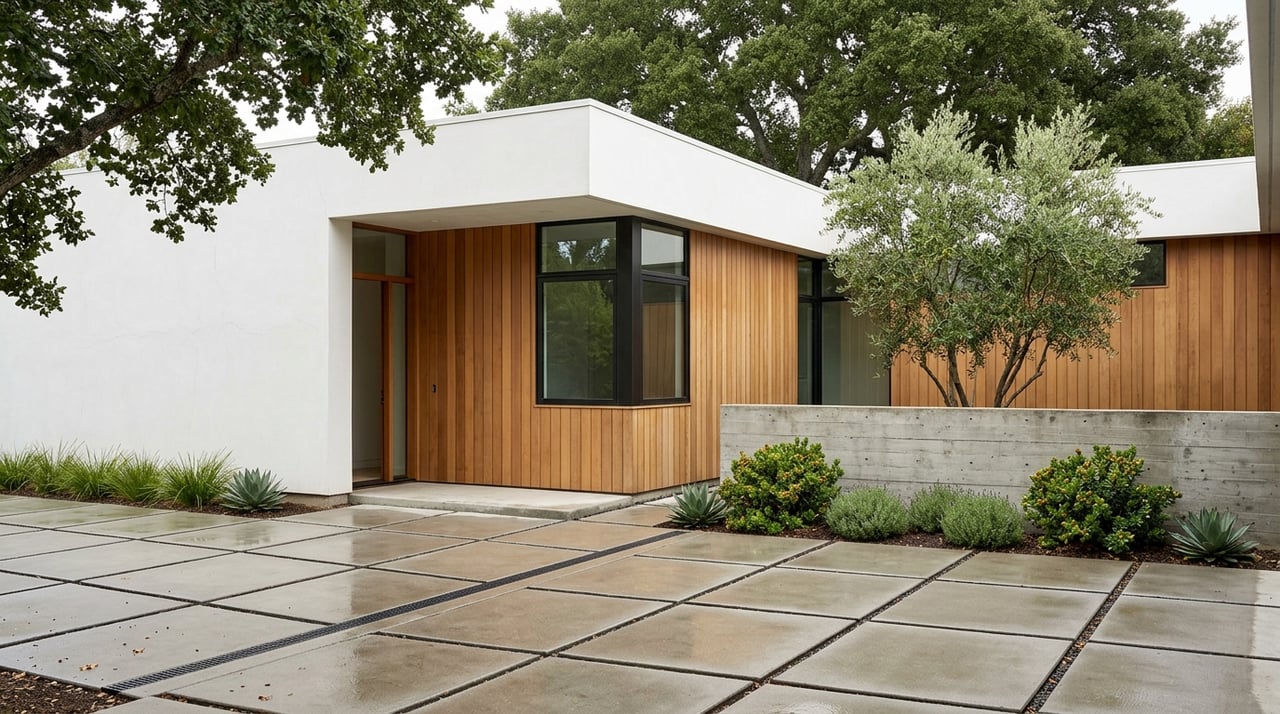
Seasonal Trends In Palo Alto Luxury Home Demand
April 23, 2026
April 23, 2026
If you are thinking about buying or selling a luxury home in Palo Alto, timing matters, but not in the simple way many people assume. This market often behaves less like a typical suburb and more like a tight, fast-moving micro-market where inventory, buyer urgency, and pricing discipline can shift quickly. By understanding how demand tends to change from spring through winter, you can make smarter decisions and avoid relying on headlines alone. Let’s dive in.
Palo Alto remains one of the most competitive higher-end housing markets in the region. According to Redfin’s Palo Alto housing market data, the median sale price was $3.535 million in March 2026, median days on market were 10, and 67.4% of homes sold above list price. Redfin also notes that average sales were about 7% above list, which reinforces how quickly strong listings can move.
At the top end, the ultra-luxury segment can follow its own rhythm. Local reporting found that Palo Alto recorded 10 home sales above $10 million in 2024, the highest annual count in city history. That is a useful reminder that "luxury" in Palo Alto is not one fixed number, and demand can vary by price band, property type, and presentation.
In most years, spring is the strongest window for luxury home demand in Palo Alto. Nationally, Realtor.com’s May 2025 housing data showed inventory rising, new listings increasing, and homes spending a median of 50 days on market, while the market still remained relatively tight. Palo Alto follows that seasonal pattern, but with much faster turnover than national averages.
Local monthly snapshots from SCCAOR market statistics show single-family new listings at 65 in April 2025, 45 in June 2025, 33 in February 2026, and 55 in March 2026. Average days on market moved from 15 in April 2025 to 19 in June 2025 and 20 in March 2026. In plain terms, late winter through spring tends to be the period when more sellers come to market and more buyers are actively watching.
That pattern matched local reporting in early 2025. The Almanac described Palo Alto’s first quarter of 2025 as record-setting, with the single-family median price reaching $4.2 million, new listings up 18% year over year, and homes averaging just 7 days on market. When that kind of momentum builds, well-positioned luxury listings often attract immediate attention.
Spring usually gives buyers more choices without removing competition. More homes tend to hit the market, which helps buyers compare options, but the best properties can still attract multiple offers quickly. In Palo Alto, additional inventory often means a busier market, not necessarily an easier one.
For sellers, spring often creates the best mix of visibility and urgency. Buyer traffic tends to rise as listing volume increases, which can help strong homes capture attention before inventory builds too much. That is one reason spring is often the preferred launch window for premium homes.
A common mistake is to assume Palo Alto luxury demand disappears after summer. The local data does not support that. Seasonal slowdowns are real, but they do not mean serious buyers leave the market.
The Almanac’s Q4 2024 coverage reported that Palo Alto had an unusually active fourth quarter, with new listings up 5% and closed escrows up 37% compared with Q4 2023. The same report noted that bidding wars were common in December, which shows how demand can stay strong even late in the year.
By late 2025, however, the listing flow was much lighter. According to SCCAOR’s November 2025 report, November had 16 new single-family listings and December had just 9, though December still posted 20 closings and a $4.13 million median sale price. The reported 72-day average days on market likely reflects the quirks of a small and mixed sample more than a simple drop in buyer demand.
For sellers, listing in fall or winter can mean less competition from other homes. If your property is especially well-prepared, updated, or hard to replace, lower inventory can work in your favor. Serious buyers who stay active during these months often need to move and may be ready to act decisively.
For buyers, thinner inventory can reduce choice, but it may create occasional negotiating opportunities. Nationally, Realtor.com’s April 2025 data found that 18% of listings had price reductions in April, and the May figure was 19.1%. In Palo Alto, Redfin showed 23.7% of homes with price drops in March 2026, which is a reminder that even a competitive market can present openings.
Seasonality matters, but Palo Alto is not a market where the calendar tells the whole story. Local reporting tied the spring 2025 surge to the AI-driven tech boom, which helped fuel demand from high-earning buyers. That kind of local economic momentum can compress timelines and intensify competition beyond what a seasonal chart might suggest.
The same Almanac report on the 2025 spring market noted that four-bedroom homes carried about an $800,000 premium over comparable three-bedroom homes. That helps explain why certain move-in-ready homes can remain highly competitive even when broader conditions soften. In other words, home size, layout, condition, and price band can matter as much as the month you list or buy.
This is especially important in the luxury and ultra-luxury tiers. A $10 million-plus property may need a different marketing timeline, pricing strategy, and buyer reach than a home closer to the citywide median. In Palo Alto, the top of the market can move on its own schedule.
If you are planning to sell, spring is often the strongest seasonal window, but timing alone will not carry a listing. Palo Alto still rewards sellers who launch into a rising spring market, especially when demand and inventory are both building. In March 2026, Redfin reported a 107.1% sale-to-list ratio citywide, while SCCAOR’s March 2026 snapshot showed single-family homes averaging 108% of list.
Still, pricing discipline matters. The same local reporting that described a strong first quarter in 2025 also noted that 36 of 87 Palo Alto listings were still on the market for more than 30 days at the end of March, and several $10 million-plus homes sold only after previous failed attempts and price reductions. Even in a hot market, overpricing can cost you time and leverage.
Before choosing your list date, pay attention to:
You can also track broader local shifts through SCCAOR housing stats. In a market like Palo Alto, the right launch strategy is usually built from current inventory and recent comps, not from the season alone.
If you are buying in Palo Alto, spring may give you the widest selection, but you should expect stronger competition for the best homes. SCCAOR’s February 2026 data showed 33 new single-family listings and 13 days on market, while March 2026 showed 55 new listings and 20 days on market. That suggests spring can improve your options, but it does not necessarily make negotiation easier.
Buyers often do best when they separate selection from leverage. Spring may be the best season to find the right fit. Fall and winter may offer a better chance to negotiate on homes that have lingered or been repriced. In both cases, preparation matters because Palo Alto still moves quickly when a property is priced and positioned well.
Headline median prices can be misleading in Palo Alto, especially in luxury segments where the mix of homes sold can change from month to month. A better approach is to watch the signals that reflect current momentum:
These measures often give you a clearer view of seasonal demand than median price alone.
The broad pattern is clear: spring is usually the strongest season for Palo Alto luxury home demand, while fall and winter are thinner but still active. Yet this is not a market where you can rely on the calendar by itself. Inventory, pricing, buyer urgency, and local economic forces can all override typical seasonal expectations.
If you are preparing to sell a premium Palo Alto home or trying to buy at the right moment, the best strategy is a data-driven one. You want to understand not just the season, but also the current inventory picture, buyer competition, and how your specific price band is performing. For tailored guidance on timing, pricing, and market positioning, connect with Payne Sharpley.
Stay up to date on the latest real estate trends.
Ready to buy, sell, or invest in Silicon Valley real estate? Connect with Payne Sharpley today and experience expert guidance, clear communication, and results you can trust.