Palo Alto
Ensuring the beauty and quality of life for which the city has become famous.
Ensuring the beauty and quality of life for which the city has become famous.
67,231 people live in Palo Alto, where the median age is 42.5 and the average individual income is $121,565. Data provided by the U.S. Census Bureau.
Total Population
Median Age
Population Density Population Density This is the number of people per square mile in a neighborhood.
Average individual Income
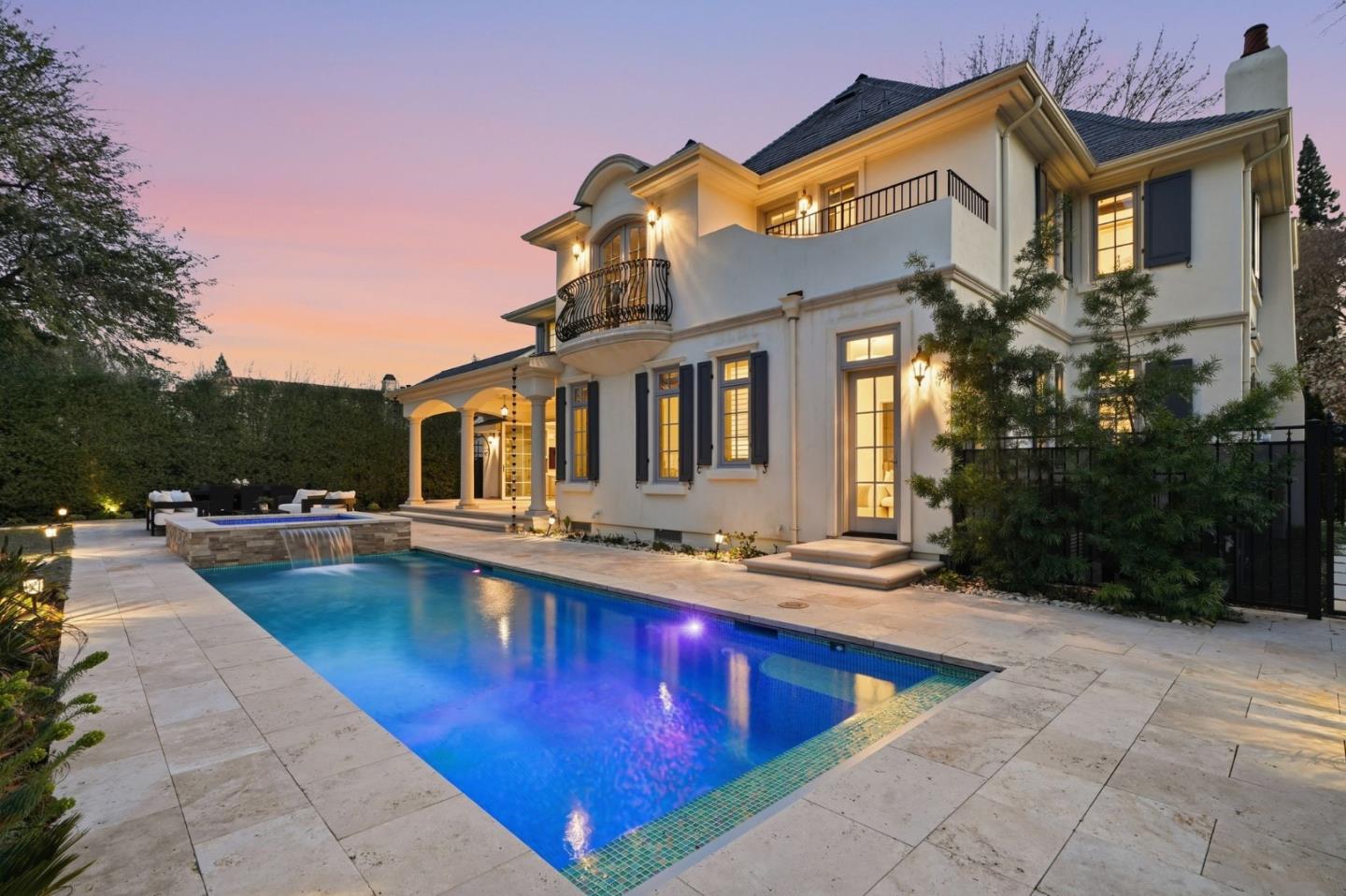
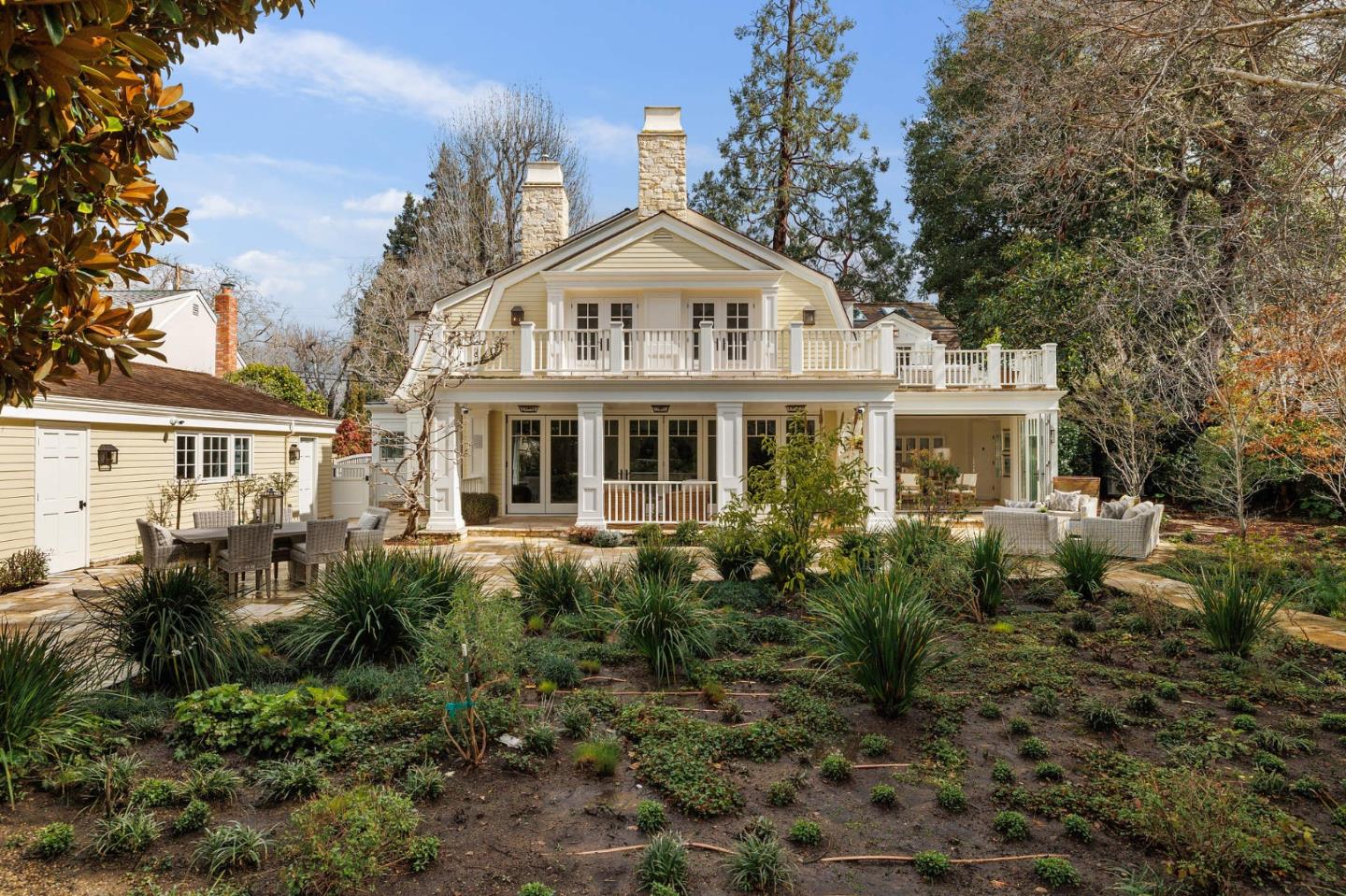
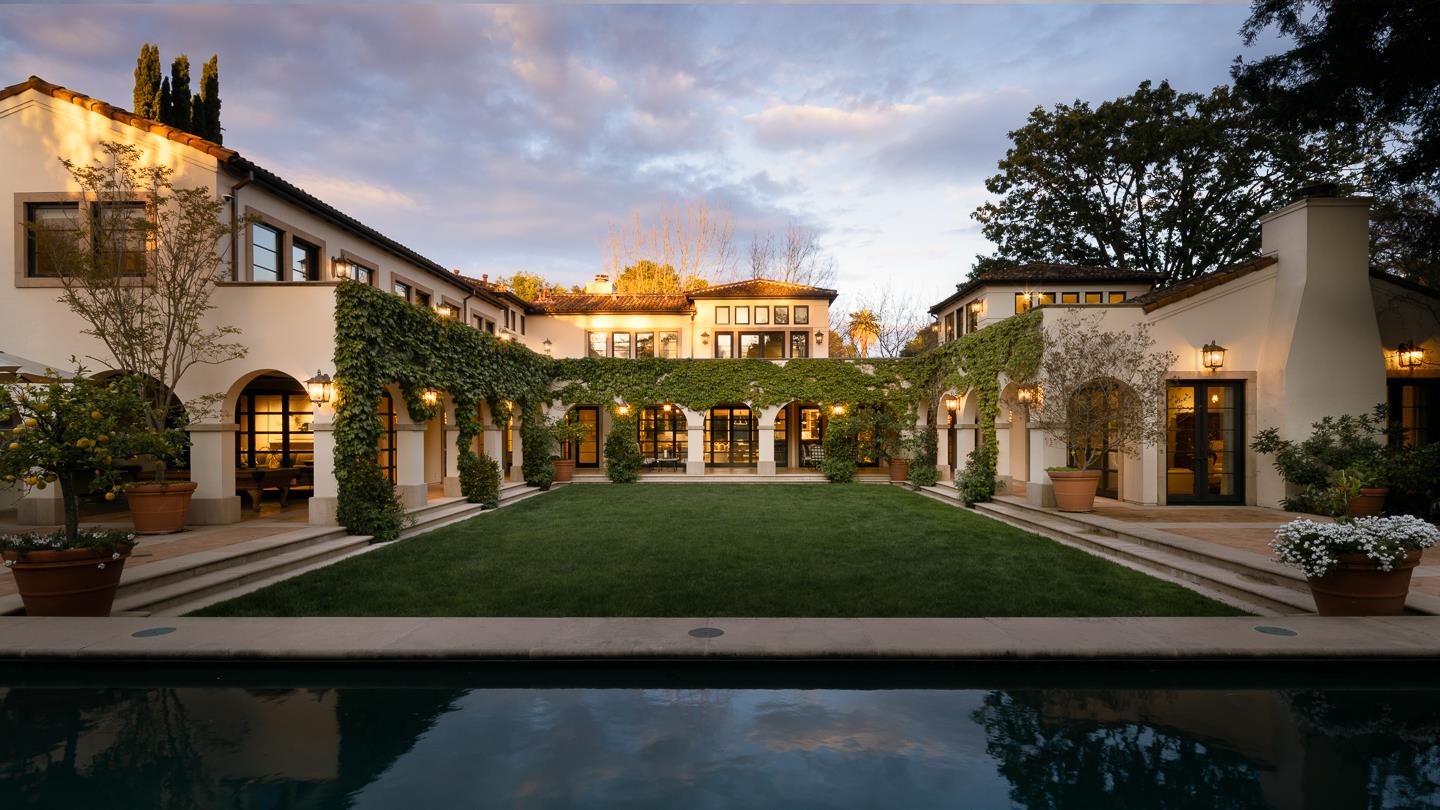
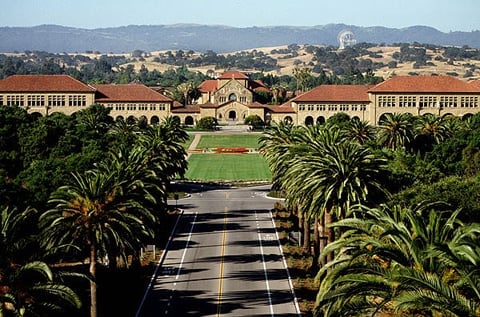
Palo Alto is the birthplace of Silicon Valley, where Stanford University meets unprecedented tech wealth. This city of 68,000 commands median home prices exceeding $3.5 million, driven by top-ranked schools, proximity to global tech giants, and a unique geography spanning Bay marshlands to Santa Cruz Mountain foothills.
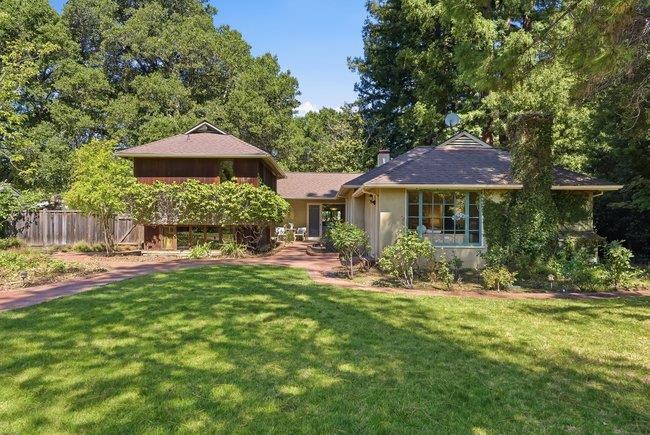
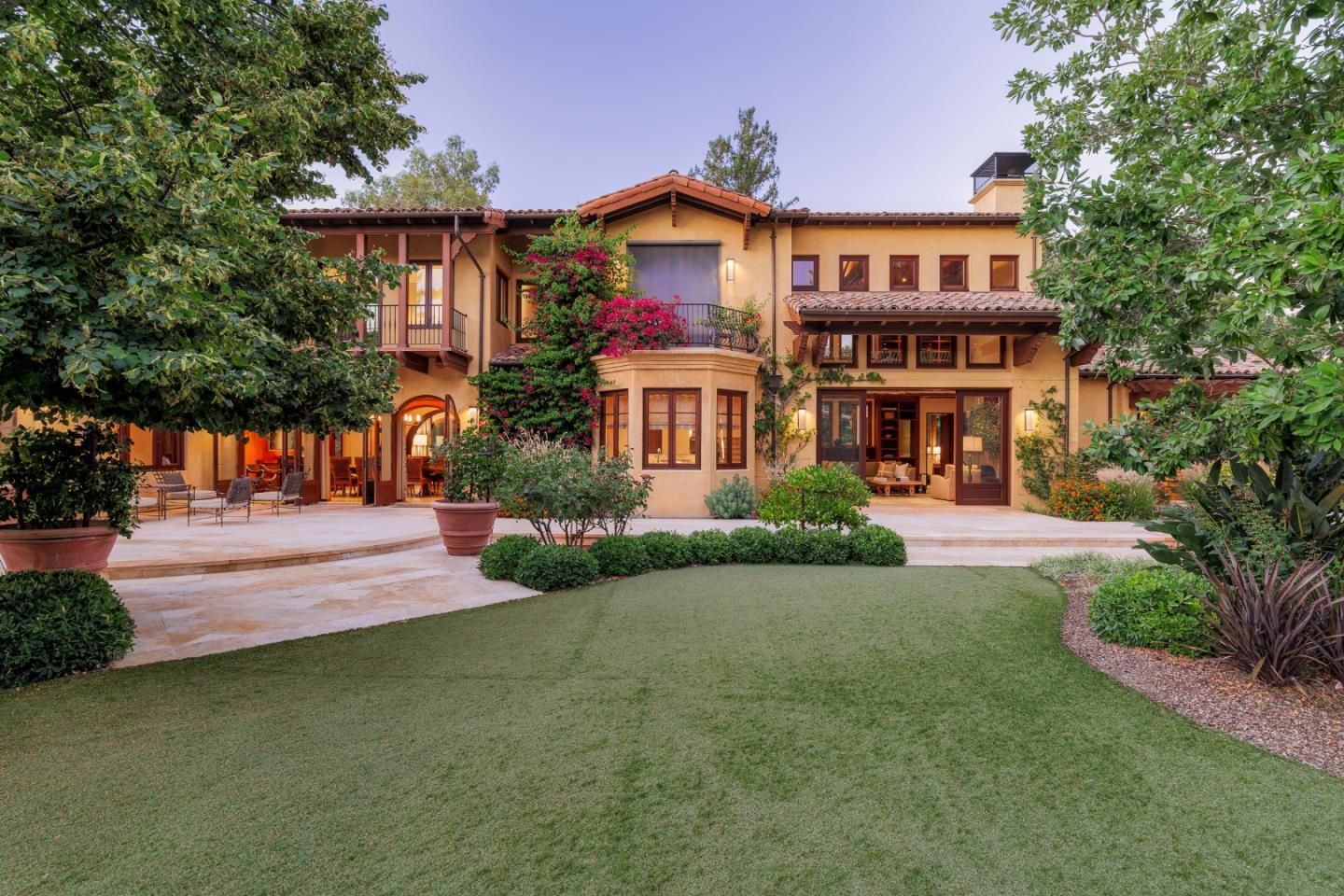
Despite hosting massive innovation, it maintains a residential forest character with tree-lined streets, mid-century Eichler homes, and a cafe culture where billionaires wait in line for coffee. For buyers, it represents America's most resilient real estate market where scarcity and elite education create perpetual demand.
Palo Alto's identity is rooted in Stanford University's 1891 founding by Leland Stanford. The city incorporated in 1894 as a "dry" college town, taking its name from El Palo Alto, a thousand-year-old coastal redwood that marked the area for Spanish explorers. The land originally belonged to the Ohlone people before becoming part of Spanish ranchos. The city's transformation from academic enclave to tech capital began in 1939 when Bill Hewlett and Dave Packard started their company in an Addison Avenue garage, creating the template for Silicon Valley.
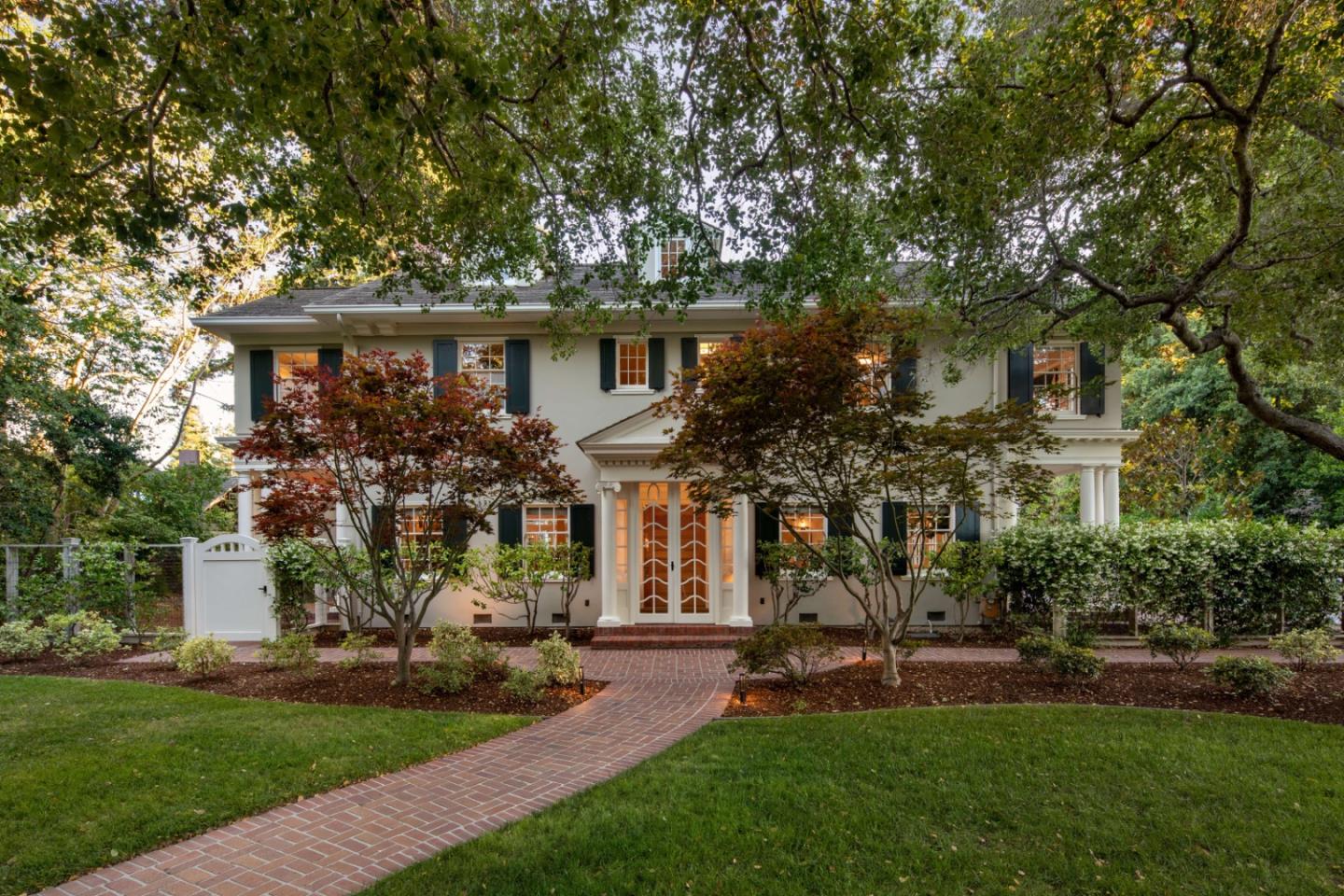
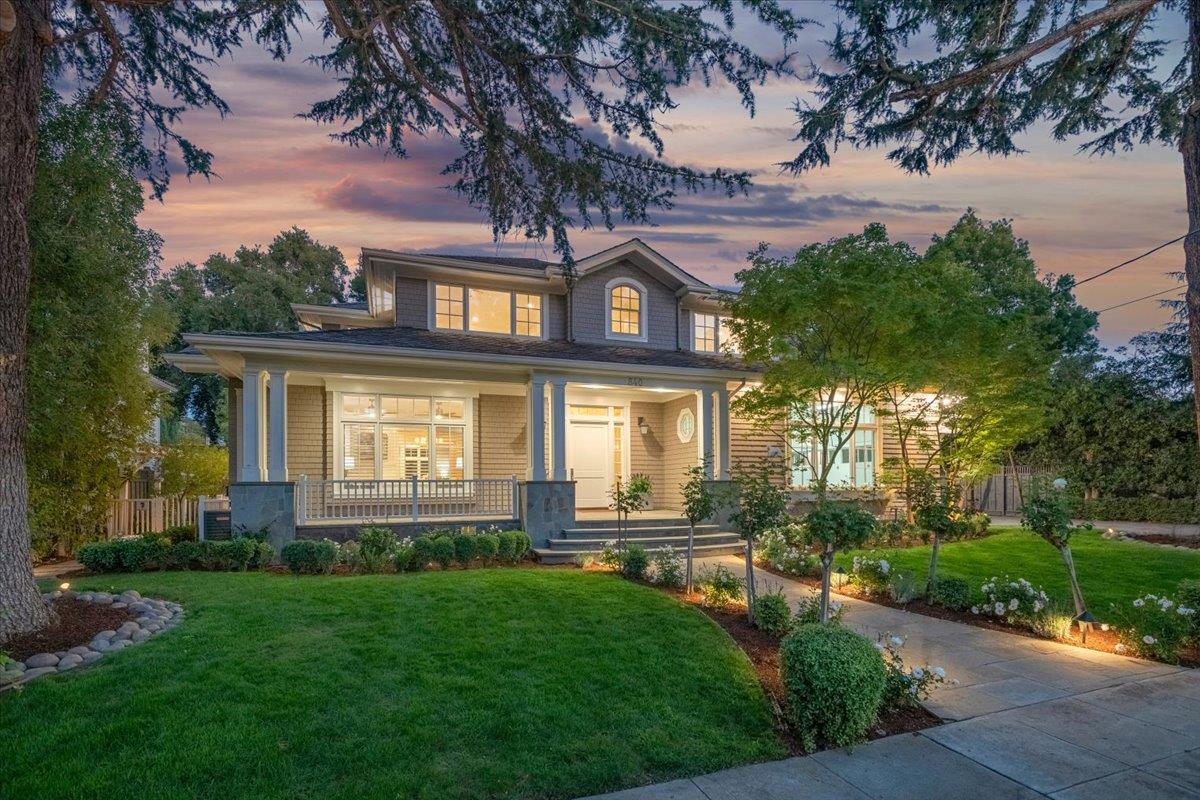
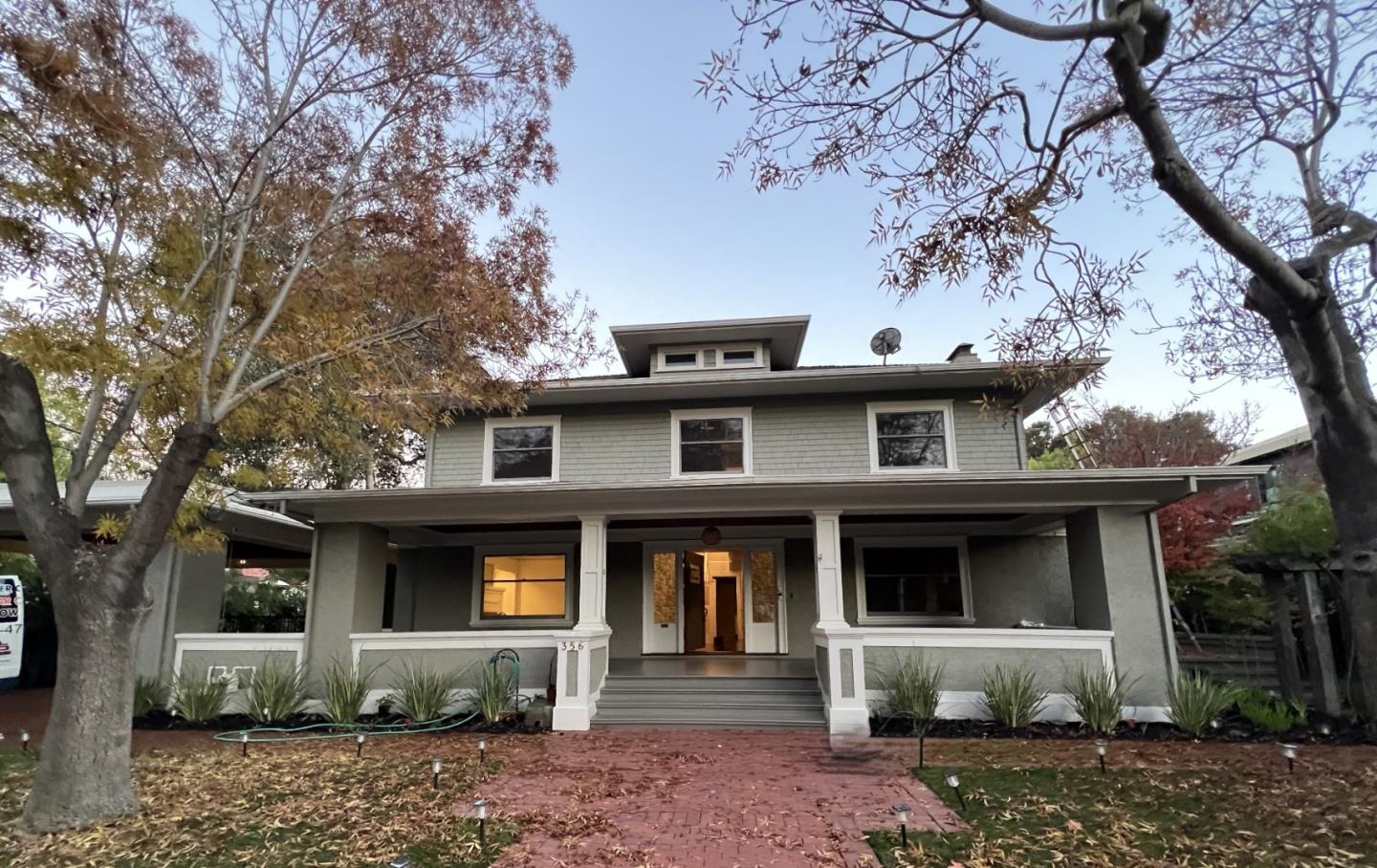
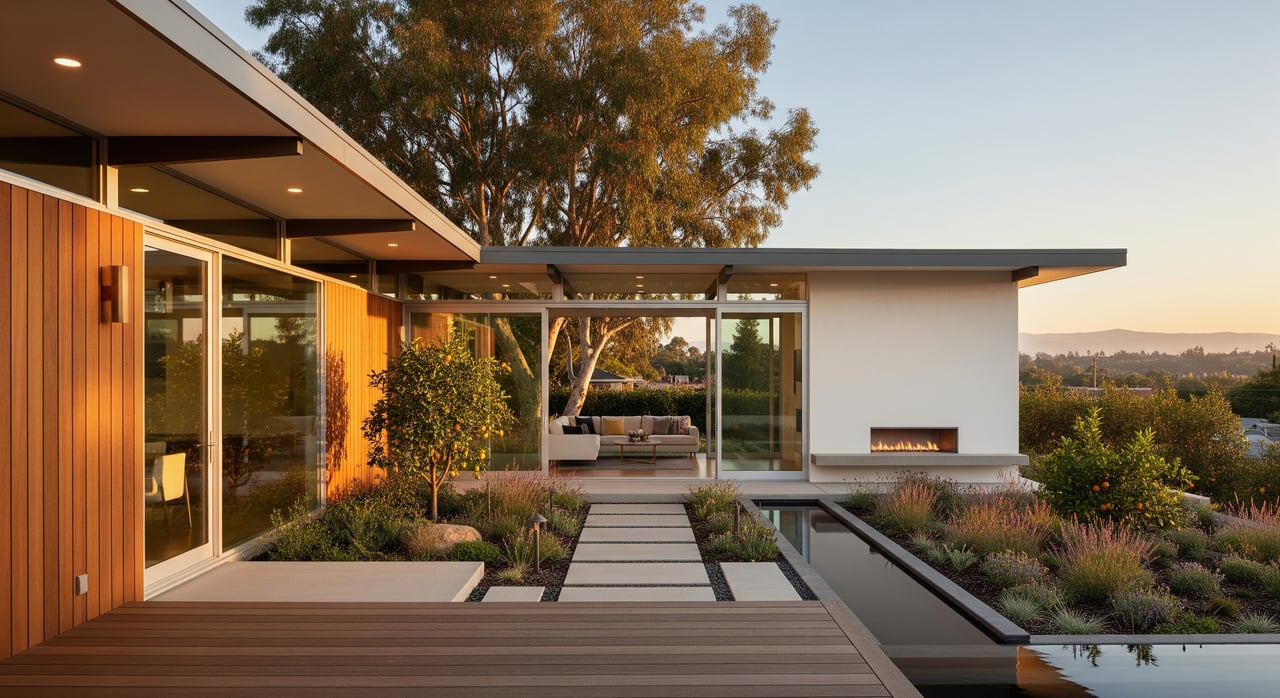
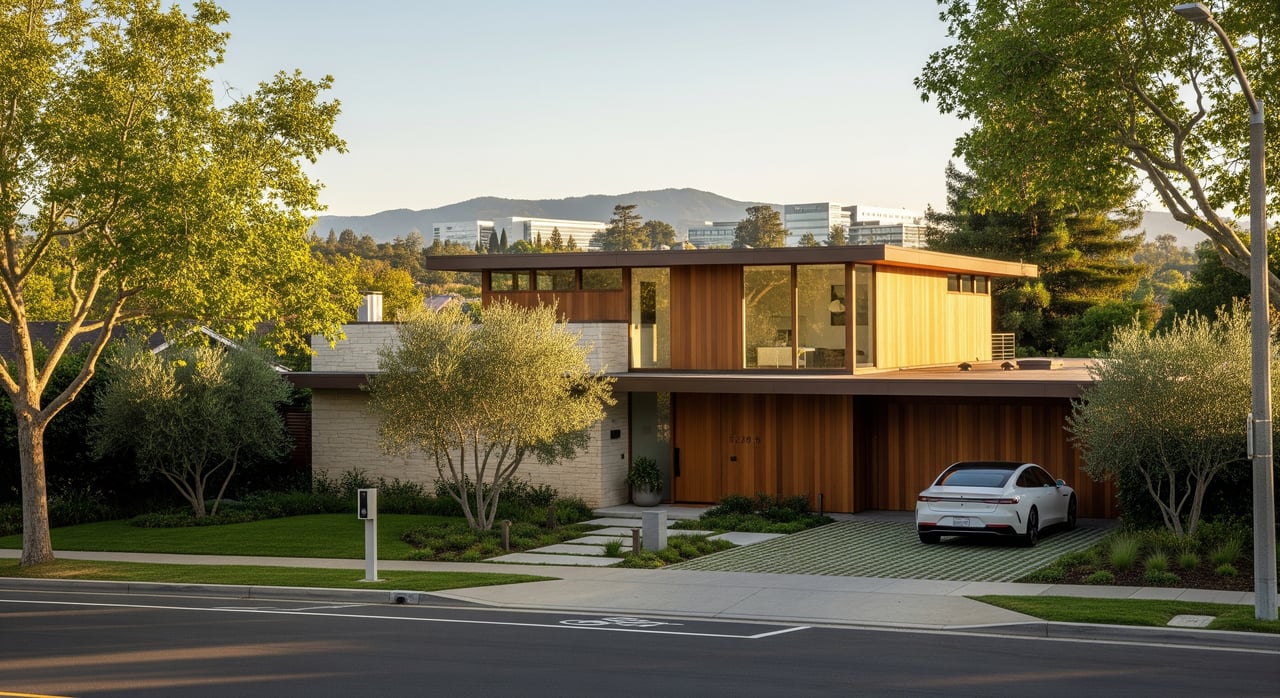
This garage mythos attracted waves of innovation that later birthed Facebook, Google, and Tesla. Architecturally, the early 1900s brought Craftsman and Colonial Revival homes to the Professorville neighborhood, while the post-war era introduced Joseph Eichler's 2,500+ mid-century modern homes featuring floor-to-ceiling glass and atrium courtyards.
Palo Alto occupies the northwest corner of Santa Clara County, 35 miles south of San Francisco and 14 miles north of San Jose.
Menlo Park and East Palo Alto border it to the north, Mountain View and Los Altos to the south, the Santa Cruz Mountains to the west, and San Francisco Bay marshlands to the east. The city spans a unique California transect from flat baylands salt marshes through an alluvial plain holding the urban core, rising into rolling foothills of the Santa Cruz Mountains.
This Mediterranean climate brings dry summers averaging 77°F and mild winters around 58°F. The Santa Cruz Mountains create a microclimate shield against Pacific fog that blankets San Francisco, giving Palo Alto significantly more sunny days.
As of February 2026, Palo Alto operates as a definitive seller's market with a median single-family home price of $3.55 million. Inventory remains critically low at 1.2 months of supply versus the balanced market standard of 4-6 months. Properties move in 11-17 days, commonly selling for 103-105% of asking price with multiple offers and waived contingencies.
While the feverish 10-20% annual gains of the early 2020s have cooled, the market maintains steady 3-4% annual appreciation, outperforming most California suburbs. This resilience stems from proximity to elite tech firms and Stanford University, creating constant demand despite broader economic shifts.
Palo Alto is managing a significant transition to meet state-mandated housing goals while preserving its residential forest character. The city's 2023-2031 Housing Element targets over 6,000 new units, leading to upzoning along El Camino Real and near Caltrain stations.
Mitchell Park Place at 525 E. Charleston Road is nearing completion with 50 affordable units for residents with intellectual or developmental disabilities.
The Homekey Palo Alto initiative focuses on permanent supportive housing to address homelessness and affordability for service workers. Infrastructure projects include the Horizontal Levee Pilot Project currently under construction in the Baylands for flood protection and marsh restoration against sea-level rise.
Rail grade separation discussions continue for key Caltrain intersections at Charleston and Meadow Roads to improve safety as train frequency increases. The 2026 Woodland Avenue Improvements project adds sidewalks, ADA upgrades, and traffic calming measures between University Avenue and Newell Road.
Palo Alto purchases require detailed risk management beyond standard real estate considerations.
School boundaries within Palo Alto Unified can shift with enrollment patterns, potentially changing home values by 10% overnight—verify specific addresses directly with the district rather than relying on listing data.
Properties near San Francisquito Creek or the Baylands often require mandatory flood insurance, and even moderate-risk Zone X locations see buyers opting for private coverage due to increasingly erratic winter storms.
Homes in Palo Alto Hills or near Arastradero Preserve sit in Wildland-Urban Interface zones with significantly higher insurance premiums and strict defensible space vegetation requirements.
Many 70+ year-old homes need auditing for seismic retrofitting and electrical capacity upgrades. The 2026 push toward all-electric homes means older 100-amp panels often require expensive upgrades to support EV chargers and heat pumps.
Eichler homes, while iconic, can become expensive if original in-floor radiant heating pipes have corroded.
Selling in 2026 requires strategic timing and preparation. The market peaks late February through May when families aim to close before the August school year starts, while November-December listings see fewer bidding wars.
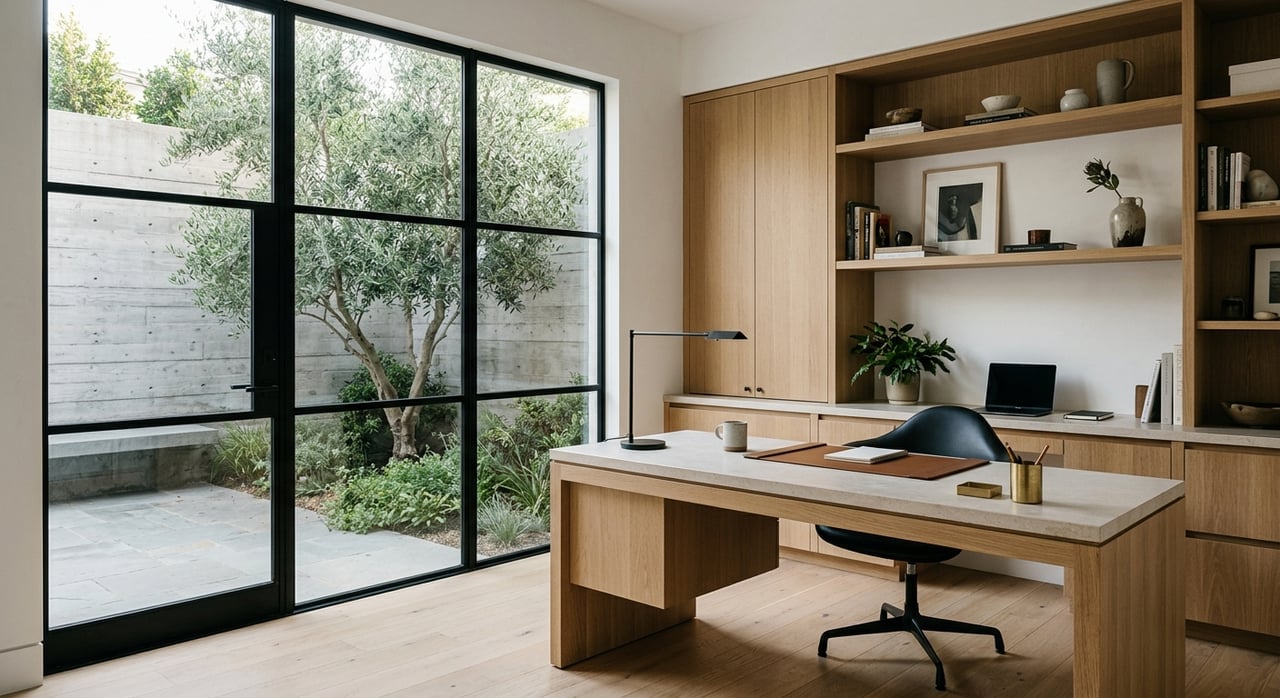
Current staging trends favor biophilic design with greenery and natural wood textures. Buyers now expect sound-dampened "flex suites" rather than simple desk corners—spaces serving as office, guest room, or gym.
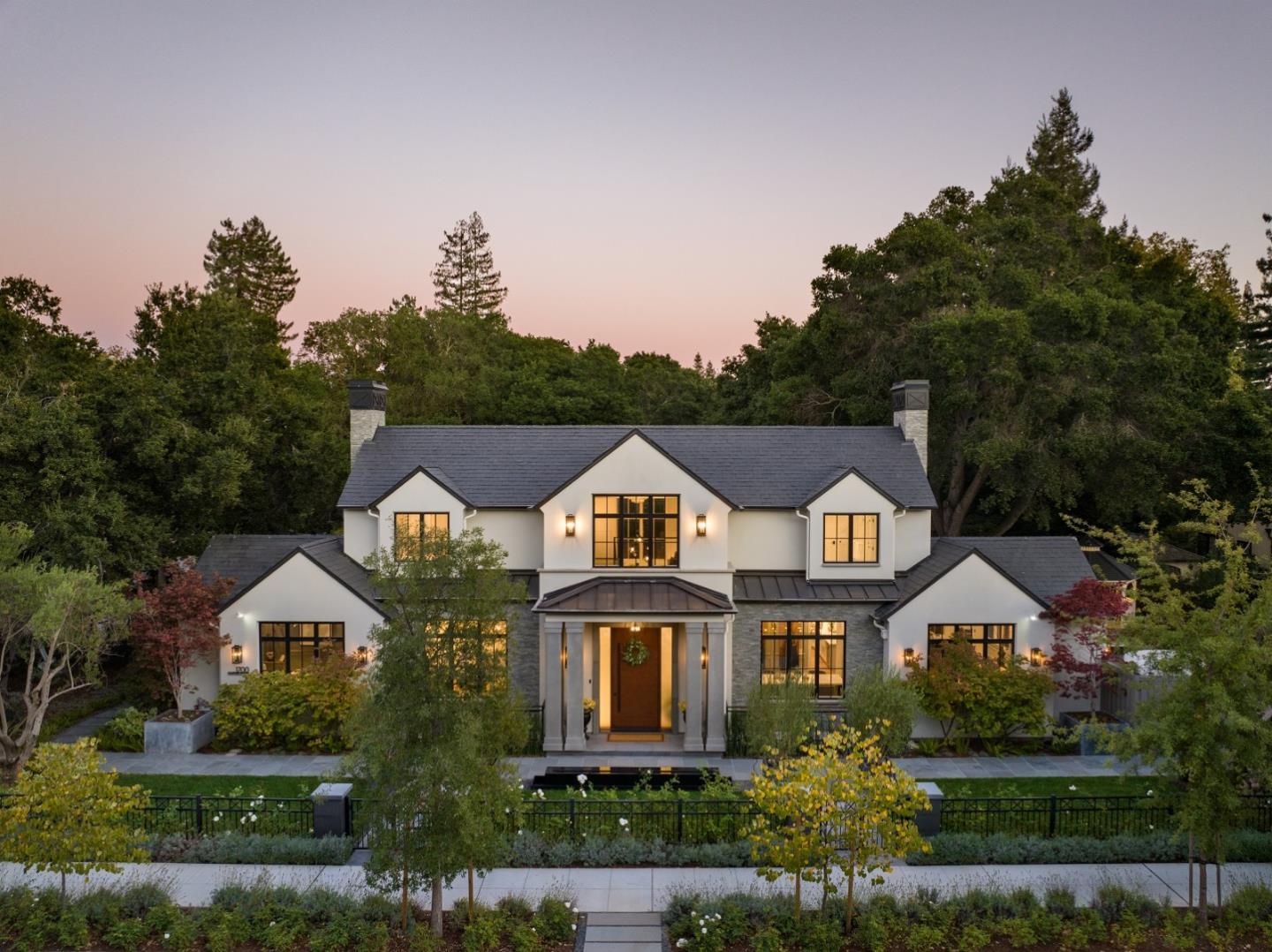
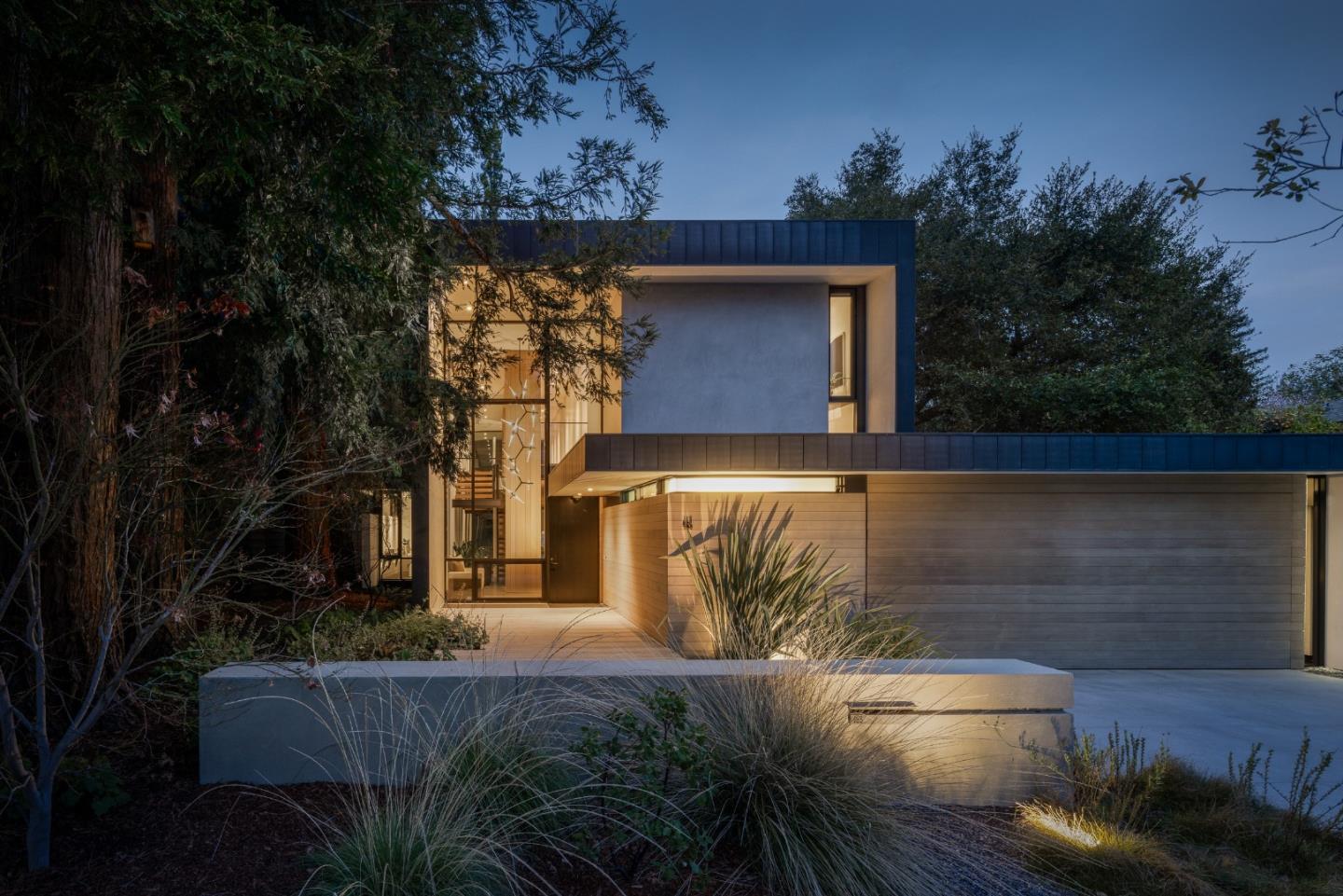
Curb appeal delivers the highest ROI, with Instagrammable exteriors featuring modern garage doors, stone veneer accents, and smart lighting recouping over 200% of costs. Kitchen refreshes using quartz countertops, designer hardware, and high-end smart appliances signal move-in readiness more cost-effectively than full gut-renovations.
The typical buyer is a high-earning tech professional (median household income ~$220,000) who values transparency. Providing pre-inspection reports and full disclosure packets upfront has become standard practice to encourage non-contingent offers.
University Avenue downtown and California Avenue in Midtown define Palo Alto's dining scene. Evvia Estiatorio remains the hardest reservation for upscale Greek while Nobu Palo Alto inside the Epiphany Hotel draws crowds for world-class sushi. Ettan offers high-design Cal-Indian cuisine, Bevri serves Georgian khachapuri and wine, and quick-service favorites Zareen's and Ramen Nagi maintain cult followings with long lines.
The work-from-cafe culture centers on Blue Bottle, Coupa Cafe (famous as a tech networking hub), and Verve Coffee's modern space on University Avenue. The Lucile Packard Theatre and Stanford's Bing Concert Hall host world-renowned performers and speakers.
Vino Locale offers live acoustic music on a heated Victorian patio for intimate evenings. While Palo Alto quiets by 11 PM compared to San Francisco, Nola and The President's Terrace rooftop bar at Graduate Palo Alto provide the most vibrant cocktail atmosphere.
Stanford Shopping Center anchors Palo Alto as Northern California's premier shopping destination. This luxury outdoor garden mall features Neiman Marcus and Bloomingdale's alongside Hermès, Cartier, and the recently opened Chanel boutique, with world-class landscaping attracting weekend strollers beyond shoppers.
Town & Country Village across from Stanford High offers a more local feel with Gott's Roadside, Books Inc., and boutiques like Leaf & Petal. Downtown University Avenue mixes high-street brands including Apple and Lululemon with local mainstays like Bell's Books, one of California's finest rare and used bookstores.
Mollie Stone's in College Terrace and Whole Foods downtown serve as primary high-end grocers. The Market at Edgewood provides a community hub with its butcher shop and hyper-local produce.
The Saturday Palo Alto Farmers Market on Gilman Street offers organic produce, live music, and networking opportunities with the local tech community.
Palo Alto's "Residential Forest" designation encompasses over 30 neighborhood parks and massive open-space preserves spanning foothills to bay. The Baylands Nature Preserve covers nearly 2,000 acres of undisturbed marshland with 15 miles of flat gravel trails popular with runners and birdwatchers.
The Lucy Evans Interpretive Center provides boardwalk access directly over the marsh. Foothills Nature Preserve spans 1,400 acres in the Santa Cruz Mountains with 15 miles of hiking trails including the 7.5-mile Los Trancos Trail and Boronda Lake offering bass fishing and summer canoe rentals.
Recently opened to the public after resident-only restrictions, weekend parking often requires reservations. The Stanford Dish on university land provides a 3.5-mile paved loop with steep elevation gains and panoramic Peninsula views of radio telescopes.
Baylands Golf Links offers a premier environmentally sustainable 18-hole municipal course with bay views. Rinconada Park serves as the recreational hub with Rinconada Pool, 14 tennis courts, and a massive redwood-shaded playground. Pearson-Arastradero Preserve allows mountain biking and horseback riding across rugged oak woodlands.
Palo Alto's culture blends high-performance achievement with understated living, dominated by Stanford-Silicon Valley synergy. Nobel Prize winners, tech CEOs, and venture capitalists commonly share coffee lines at Coupa Cafe in an "informally elite" atmosphere where billionaires wear Patagonia vests and ride high-end electric bikes.
The century-old May Fete Parade celebrates local youth each May while the Palo Alto Festival of the Arts brings over 250 artists to University Avenue every August, with the 2026 festival scheduled for August 22-23. The California Avenue Farmers Market every Sunday functions as the city's town square where neighbors gather for live music and organic produce.
Residents prioritize sustainability and privacy, evidenced by high concentrations of Teslas and Lucids, commitment to farm-to-table dining, and fierce protection of historic neighborhood aesthetics.
Despite hosting globally influential companies, the city maintains small-town character with deep involvement in school board politics and environmental conservation.
Palo Alto Unified School District ranks among California's top 5 districts. The 12 elementary schools include highly-rated Duveneck, Addison, and Ohlone with its unique open-classroom philosophy.
Three middle schools—Jane Lathrop Stanford, Fletcher, and Greene—serve as high-pressure but well-resourced transitions. Henry M. Gunn High School ranks #9 in California for 2026, known for elite STEM and math programs.
Palo Alto High School (Paly) ranks #10 statewide, famous for world-class journalism and its location across from Stanford University. The district's Dual Enrollment program with Foothill College serves over 450 students, complemented by mental health initiatives like the Mid-Year Promise.
Prestigious private options include Castilleja School (all-girls 6-12 focused on leadership), Silicon Valley International School (full IB curriculum with language immersion), and nearby Harker School in San Jose.
Over 15 high-end preschools including Challenger School-Middlefield, Emerson Montessori, and Stratford School maintain acceptance rates around 48%, significantly more competitive than state averages. Stanford University borders the city as the primary cultural and economic engine, while Foothill College in nearby Los Altos Hills serves as a top-tier community college for advanced high school credits.
US-101 Bayshore Freeway on the east side provides the primary route to San Francisco (35 minutes) and SJC Airport (20 minutes). I-280 Junipero Serra Freeway, known as the "World's Most Beautiful Freeway," runs along western foothills offering a faster, more scenic San Francisco route for Hills and Barron Park residents.
El Camino Real (Highway 82), the historic King's Highway, serves as the main commercial artery connecting Menlo Park and Mountain View. Caltrain forms the regional commute backbone with Palo Alto Station at University Avenue as a major Baby Bullet stop reaching San Francisco in 50 minutes and San Jose in 25 minutes.
California Avenue Station serves Midtown and the tech-heavy Evergreen corridor. Palo Alto Link provides city-run on-demand rideshare service (Uber-style for $2-4 bus fare) Monday-Friday 7 AM-7 PM, popular with students and seniors.
Stanford's free Marguerite Shuttle connects Caltrain stations to campus and medical centers. Palo Alto holds Gold-Level Bicycle Friendly Community status with the Bryant Street Bicycle Boulevard serving as a national model for safe non-car urban travel.
Downtown and California Avenue areas offer high walkability, though South Palo Alto residential neighborhoods typically require bikes or cars for errands.
Old Palo Alto north of Embarcadero Road contains some of the city's most prestigious addresses, particularly streets like Cowper, Ramona, and Kingsley near University Avenue with Craftsman and Colonial Revival estates from the early 1900s.
Professorville's tree-canopy streets house faculty and tech executives in meticulously preserved historic homes. Crescent Park between Middlefield Road and Alma Street features larger lots with mature landscaping, popular with families prioritizing both privacy and walkability to downtown. The Palo Alto Hills above Foothill Expressway offer dramatic Santa Cruz Mountain properties with panoramic bay views on streets like Robleda Road and Westridge Drive, though buyers face higher insurance costs and wildfire risk.
Barron Park's residential streets near Bol Park and Barron Creek attract families seeking strong community ties and proximity to excellent elementary schools. Midtown around California Avenue, particularly Churchill Avenue and Yerba Buena Avenue, provides urban convenience with Eichler concentrations appealing to mid-century modern enthusiasts.
College Terrace streets between El Camino Real and California Avenue offer smaller lots with walkability to Stanford campus and Caltrain, popular with younger professionals and academics.
Palo Alto suits families prioritizing top-tier public education willing to pay premium prices for guaranteed access to elite schools. Tech professionals and Stanford affiliates value the immediate proximity to work and the intellectual village atmosphere where casual coffee encounters can lead to meaningful professional connections.
Buyers seeking long-term wealth preservation benefit from the market's historical resilience and consistent appreciation driven by limited inventory and perpetual demand. Environmental enthusiasts appreciate the commitment to sustainability, extensive preserve systems, and the foothills-to-bay geography enabling diverse outdoor recreation within city limits. Those valuing small-town character within a global hub will find the combination of local traditions, community involvement, and international influence uniquely balanced.
However, Palo Alto requires accepting trade-offs including extremely high entry costs, older housing stock needing modernization, environmental insurance considerations, and a quieter nightlife compared to San Francisco. The city rewards buyers who view real estate as both lifestyle investment and financial asset, where school district boundaries and environmental risks matter as much as square footage and finishes.
There's plenty to do around Palo Alto, including shopping, dining, nightlife, parks, and more. Data provided by Walk Score and Yelp.
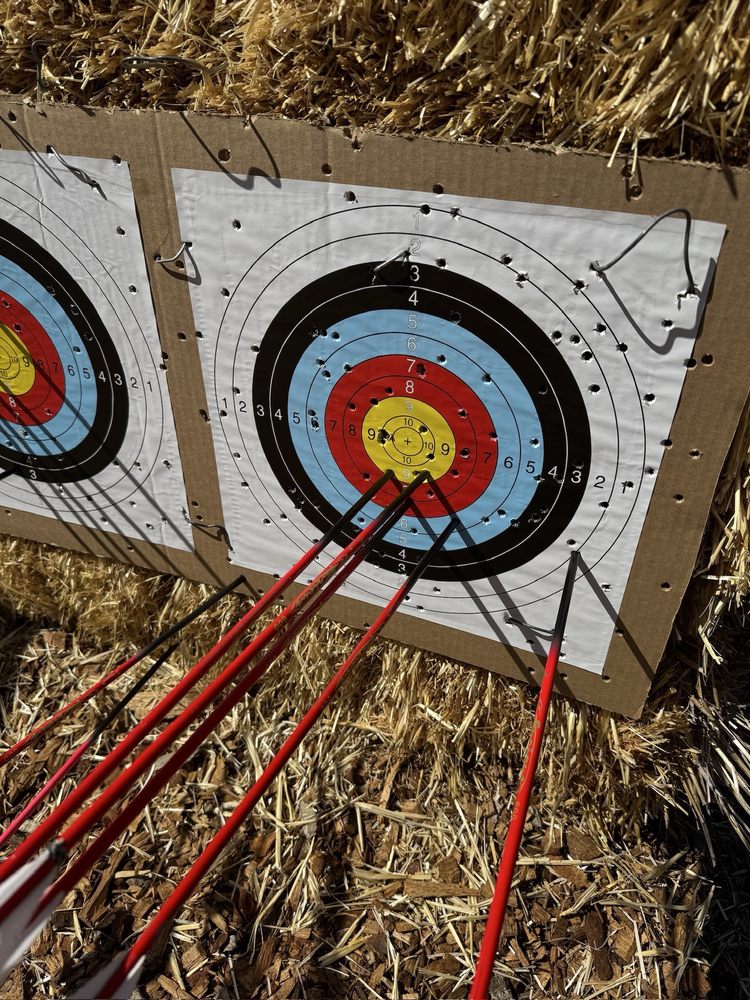
Explore popular things to do in the area, including Ranger Taekwondo, JG Academy - Los Altos, and Archers Oasis.
| Name | Category | Distance | Reviews |
Ratings by
Yelp
|
|---|---|---|---|---|
| Active | 2.39 miles | 11 reviews | 5/5 stars | |
| Active | 1.94 miles | 55 reviews | 5/5 stars | |
| Active | 2.92 miles | 40 reviews | 5/5 stars | |
| Active | 1.87 miles | 35 reviews | 5/5 stars | |
| Active | 1.6 miles | 35 reviews | 5/5 stars | |
| Active | 0.46 miles | 10 reviews | 5/5 stars | |
| Beauty | 1.79 miles | 7 reviews | 5/5 stars | |
| Beauty | 1.89 miles | 14 reviews | 5/5 stars | |
| Beauty | 2.73 miles | 13 reviews | 5/5 stars | |
| Beauty | 3.4 miles | 14 reviews | 5/5 stars | |
| Beauty | 1.91 miles | 10 reviews | 5/5 stars | |
| Beauty | 1.81 miles | 26 reviews | 5/5 stars | |
| Beauty | 2.1 miles | 5 reviews | 5/5 stars | |
| Beauty | 1.89 miles | 11 reviews | 5/5 stars | |
| Beauty | 1.9 miles | 5 reviews | 5/5 stars | |
| Beauty | 1.89 miles | 146 reviews | 5/5 stars | |
| Beauty | 1.88 miles | 12 reviews | 5/5 stars | |
| Beauty | 3.4 miles | 58 reviews | 5/5 stars | |
| Beauty | 1.9 miles | 12 reviews | 5/5 stars | |
| Beauty | 1.88 miles | 43 reviews | 5/5 stars | |
| Beauty | 2.31 miles | 10 reviews | 5/5 stars | |
| Beauty | 1.91 miles | 13 reviews | 5/5 stars | |
|
|
||||
|
|
||||
|
|
||||
|
|
||||
|
|
||||
|
|
Palo Alto has 26,054 households, with an average household size of 2.55. Data provided by the U.S. Census Bureau. Here’s what the people living in Palo Alto do for work — and how long it takes them to get there. Data provided by the U.S. Census Bureau. 67,231 people call Palo Alto home. The population density is 2,795.34 and the largest age group is Data provided by the U.S. Census Bureau.
Total Population
Population Density Population Density This is the number of people per square mile in a neighborhood.
Median Age
Men vs Women
Population by Age Group
0-9 Years
10-17 Years
18-24 Years
25-64 Years
65-74 Years
75+ Years
Education Level
Total Households
Average Household Size
Average individual Income
Households with Children
With Children:
Without Children:
Marital Status
Blue vs White Collar Workers
Blue Collar:
White Collar:
May 7, 2026
April 2, 2026
January 22, 2026
April 23, 2026
April 16, 2026
January 15, 2026
April 9, 2026
December 25, 2025
March 26, 2026
March 24, 2026
November 21, 2025
December 11, 2025
March 12, 2026
February 12, 2026
March 5, 2026
February 26, 2026
Lifestyle
October 9, 2025
Discover the Best Activities and Attractions in Los Altos
February 19, 2026
November 14, 2025
November 21, 2025
February 5, 2026
January 1, 2026
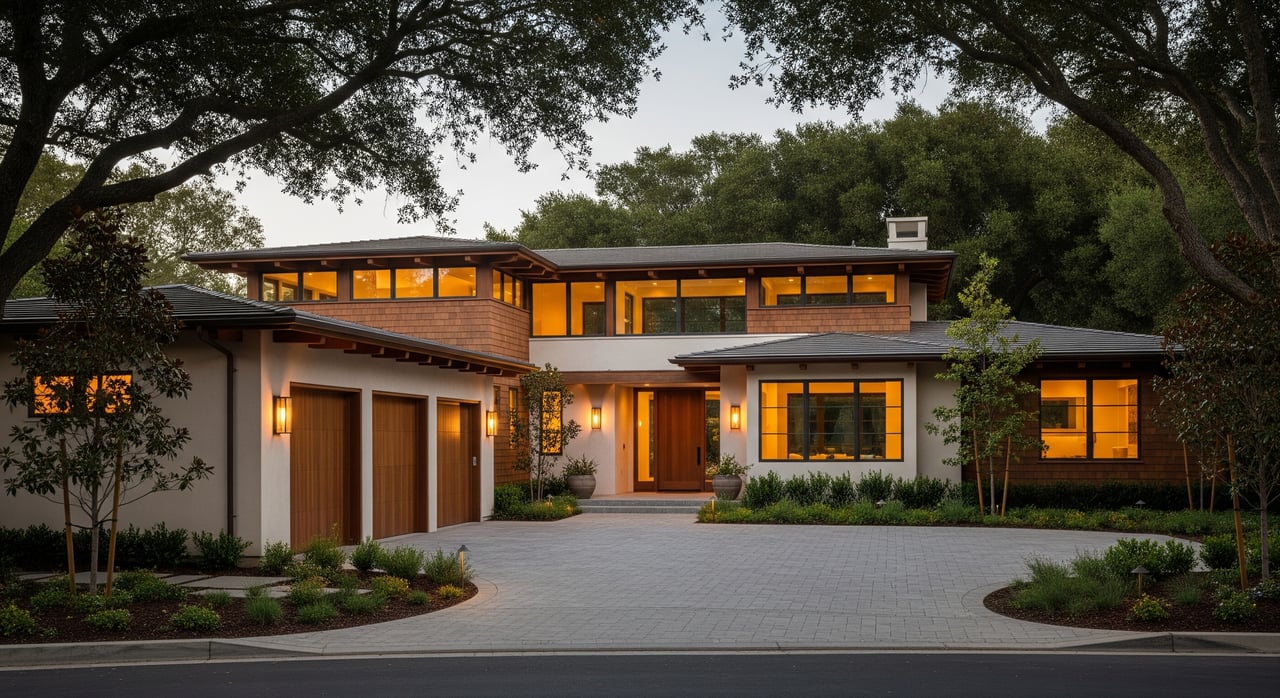
December 4, 2025

January 8, 2026

Payne Sharpley | January 3, 2026
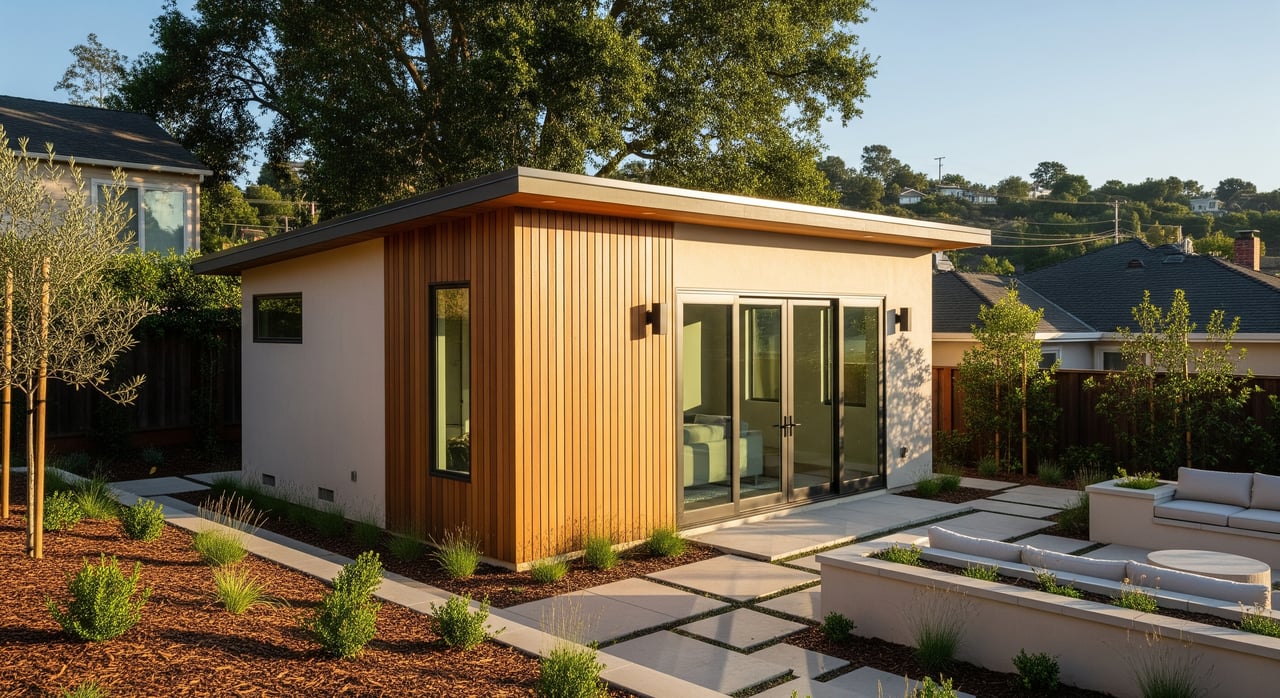
November 27, 2025
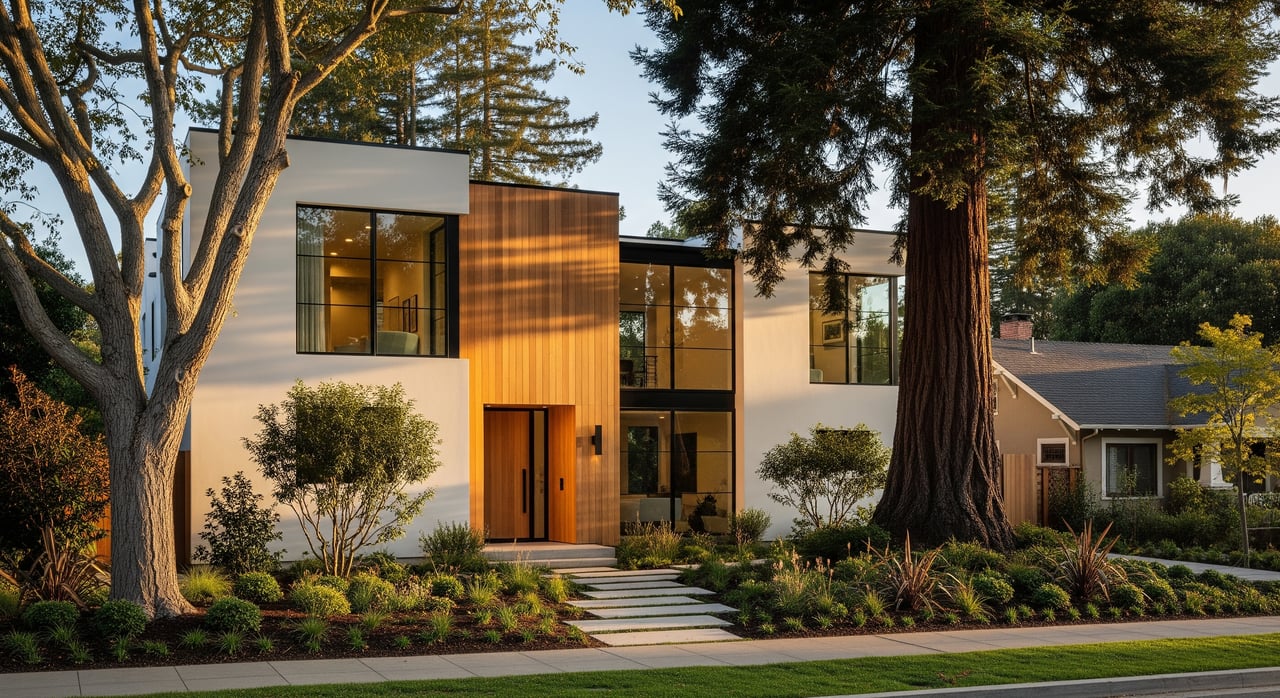
December 18, 2025
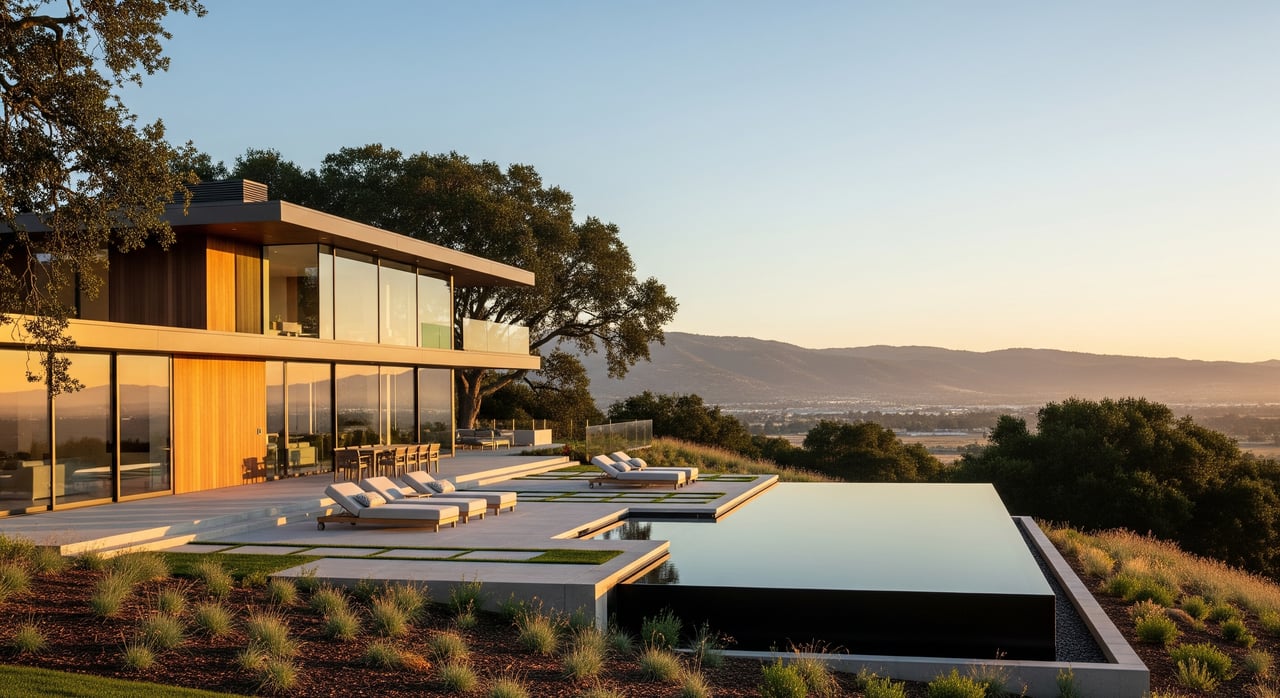
October 23, 2025
November 27, 2025
November 6, 2025
October 30, 2025
October 16, 2025
Real Estate
September 25, 2025
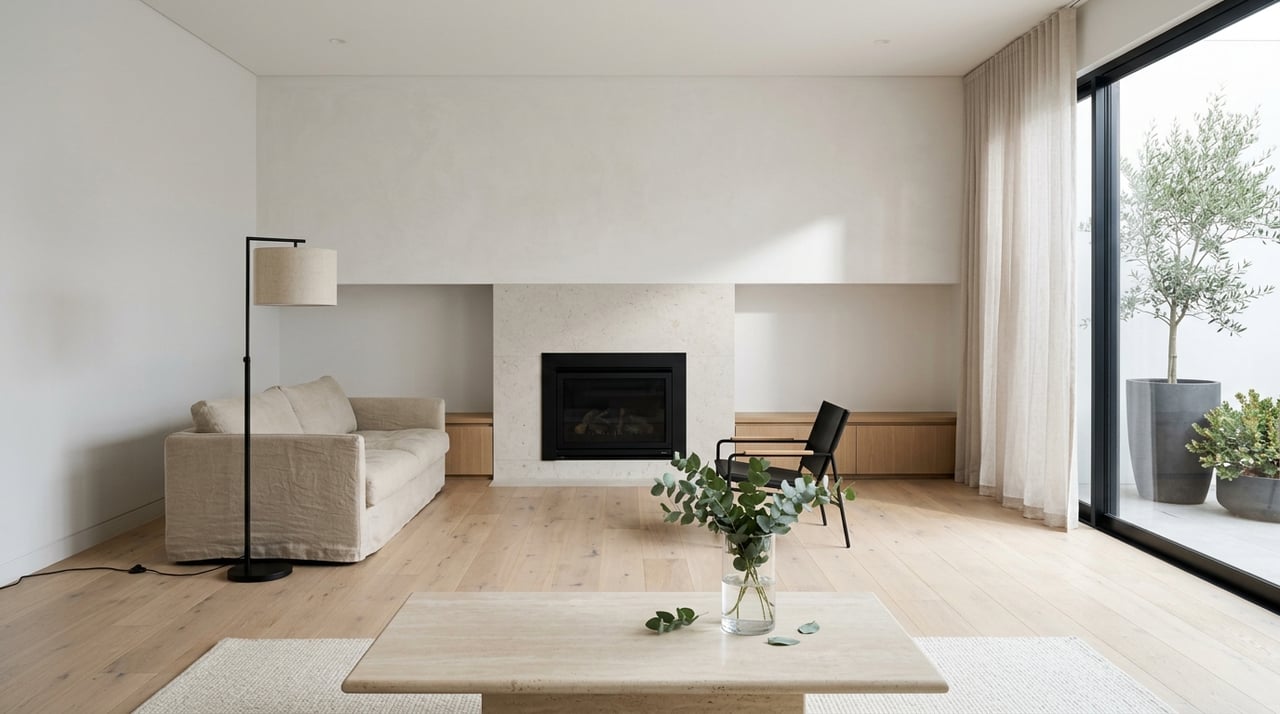
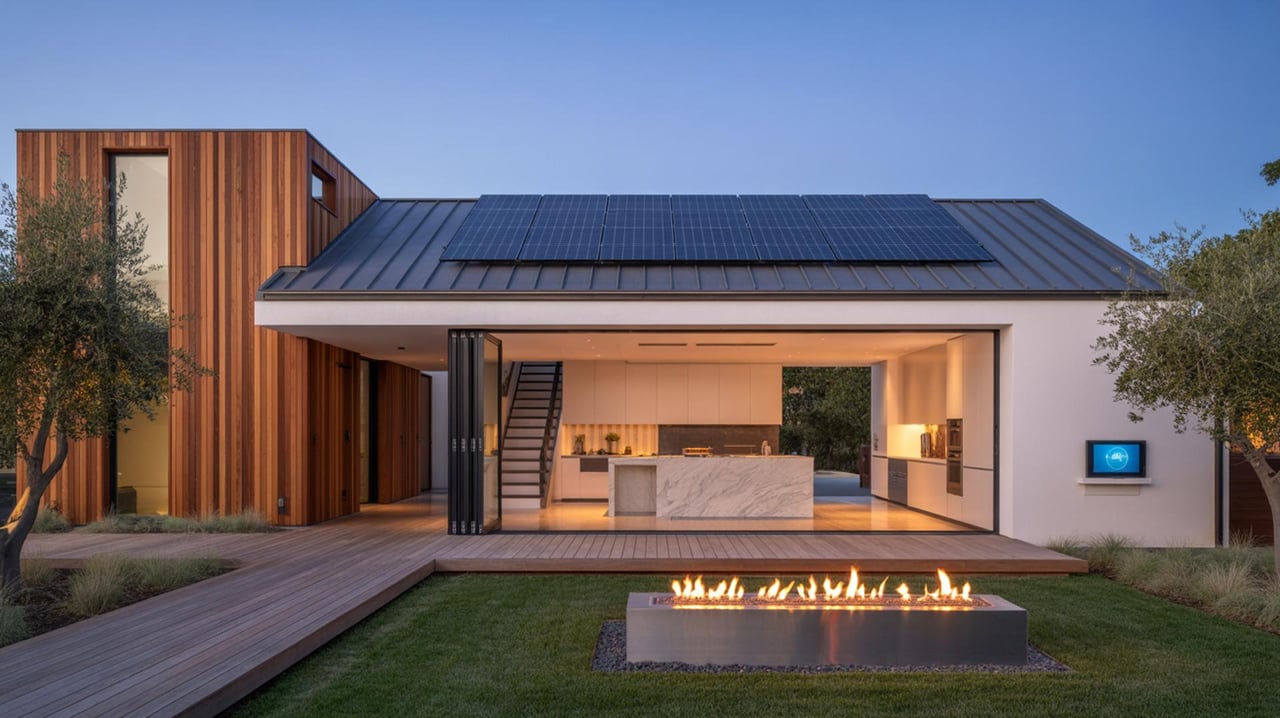
Discover the Top Home Features Palo Alto Buyers Are Craving
Ready to buy, sell, or invest in Silicon Valley real estate? Connect with Payne Sharpley today and experience expert guidance, clear communication, and results you can trust.