Leave a Message

Thank you for your message. I will be in touch with you shortly.

Cupertino

Cupertino

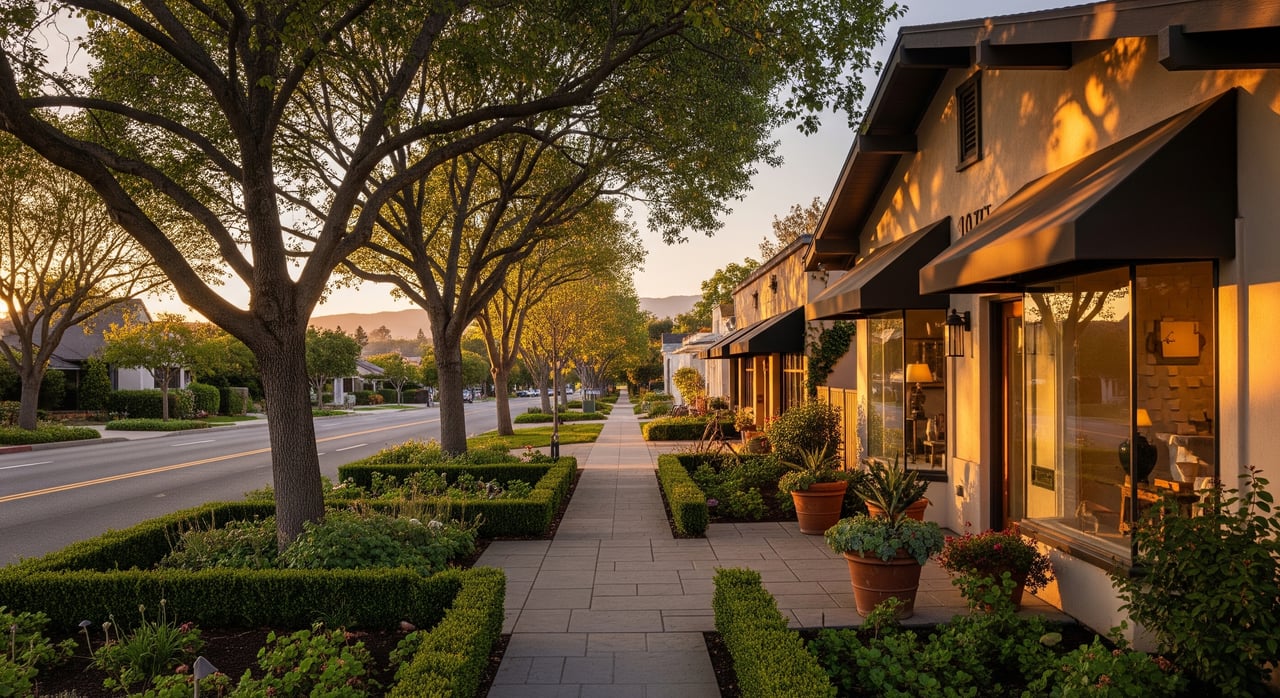
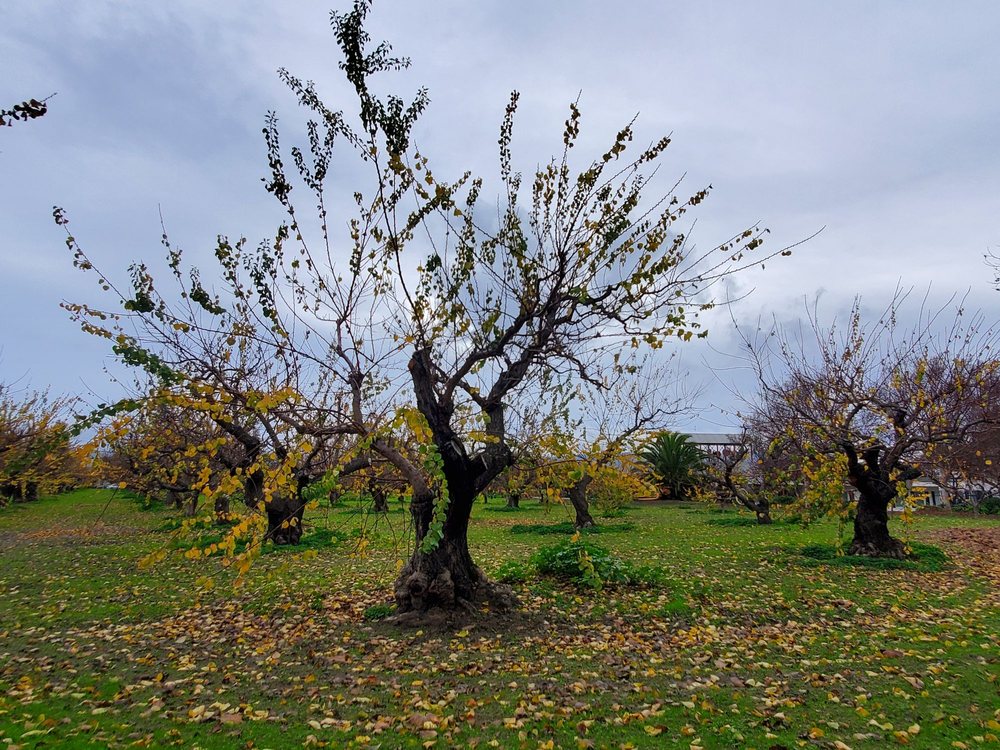
Sprang up rapidly from its roots as a farm village into an emerging suburb in the last decades.

Overview for Cupertino, CA

61,109 people live in Cupertino, where the median age is 40.7 and the average individual income is $105,625. Data provided by the U.S. Census Bureau.

61,109

Total Population

40.7 years

Median Age

High

Population Density Population Density This is the number of people per square mile in a neighborhood.

$105,625

Average individual Income

Silicon Valley · Santa Clara County

Living in Cupertino, CA

A guide to buying and selling in Cupertino — the market, the schools that drive it, and what life looks like at the center of Silicon Valley.

Complete Market & Relocation Guide
$3.2–3.6M
Median SFH Price
8–14 days
To Pending
106–109%
Of List Price
Top 10 in CA
Public High Schools
The Market01
Pricing & Selling02
Making an Offer03
Schools04
Architecture05
Getting Around06
Parks & Outdoors07
Dining & Nightlife08
Community & Culture09
Future Development10
01
The Market

A two-speed market

Cupertino is a historic seller’s market built on chronic inventory shortages and relentless demand. But it now runs at two different speeds: detached homes stay fiercely competitive, while attached homes have cooled into the one segment with real negotiating room.

Single-Family Homes
$3.2–3.6M
106–109% of list · 8–14 days to pending
  • Aggressive demand fueled by AI-era tech wealth and stock equity.
  • Premium pockets — Monta Vista, Rancho Rinconada, Westside — routinely clear $4M+.
  • Chronic land scarcity means supply can’t grow to meet demand.
Townhomes & Condos
$1.1–1.7M
More breathing room · 25–40 days on market
  • The entry point — still competitive, but cooled relative to detached homes.
  • Rising HOA dues weigh on older complexes and slow the sales pace.
  • Occasional price corrections give buyers a rare foothold.
5–15
Offers per Listing
10–15%
Premium on Hot Homes
25–40 days
Condo Timeline
Chronic
Inventory Shortage
Where it’s heading. Cupertino should stay firmly seller-favored for single-family homes. Buyers waiting for a dramatic price drop will likely be disappointed — land scarcity caps supply, and easing interest rates are unlocking sidelined buyers, keeping competition sharp.
02
Selling

Win by underpricing

Cupertino buyers are sophisticated and data-driven — they track the MLS meticulously and read a list price as an invitation to act, not a statement of value. The dominant strategy is deliberate underpricing to engineer a bidding war before the offer-review date.

The Underpricing Play
If comps point to ~$3.2M, don’t list at $3.195M. List at $2.998M — capturing every buyer who caps their search at $3.0M and packing open houses during weekend one, so competitive pressure builds ahead of your offer deadline.
Pricing Strategy
  • Price roughly 5–10% below true fair-market value to ignite competition.
  • Keep comps strictly within your exact school feeder pattern — city averages are useless.
  • Weigh the sale-to-list ratio (106–109%) over the sticker price.
  • Use only the last 3–6 months of sales; older comps mislead.
Staging & Pace
  • Pristine, turn-key presentation is the baseline, not an upgrade.
  • Professional staging, high-end photography, and crisp curb appeal are practically mandatory.
  • A well-prepared single-family home pends in 8–13 days.
  • Set a strict offer-review date ~7–10 days out; sitting past day 14 signals a “problem property.”
03
Buying

What it takes to win

Sellers here — many of them tech executives — rarely chase the highest number alone. They want the highest probability of a seamless, rapid close. A standard contingent offer on a single-family home will almost certainly be rejected.

Waive contingenciesLoan, appraisal, and inspection contingencies are routinely waived, leaning on the seller’s pre-listing inspection packet.
Fully underwritten financingStandard pre-approval isn’t enough — have a lender clear your equity and assets, and expect them to be called to verify.
3% deposit, fastBe ready to wire your earnest money to title within 24 hours of acceptance to signal liquidity.
Handle escalation carefullyMany listing agents refuse escalation clauses; if used, leap in $20K–$50K increments, never $5K.
The format. Most listings run a “highest and best” blind bid on the offer date rather than live escalation. Set your cap with a realistic plan for stretching cash reserves if the property doesn’t appraise.
04
Schools

You’re buying the address

Schools are the primary reason most families target Cupertino, and the floor under its home values. The Cupertino Union (K–8) and Fremont Union High (9–12) districts rank at the top of state and national lists, with near-perfect graduation rates and strong pipelines to top universities.

Monta Vista High
Western Cupertino — a powerhouse STEM curriculum and famously competitive academic culture.
Top 10 in CA
Lynbrook High
Eastern edge — equal in prestige to Monta Vista, lauded for science, math, and engineering.
Elite STEM
Cupertino High
Central “Tino” — a balanced profile of top academics, celebrated robotics, and strong athletics.
Well-Rounded
Homestead High
On the Sunnyvale border — alma mater of Steve Jobs and Steve Wozniak, strong in tech and the arts.
Historic
Boundaries are everything. A home zoned for Monta Vista or Lynbrook commands a strict premium over an identical home blocks away — which is why buyers concentrate on pockets like Monta Vista, Rancho Rinconada, and Westside. Because boundaries shift with enrollment, always verify a property’s exact assignment with the district’s locator before writing a non-contingent offer.
05
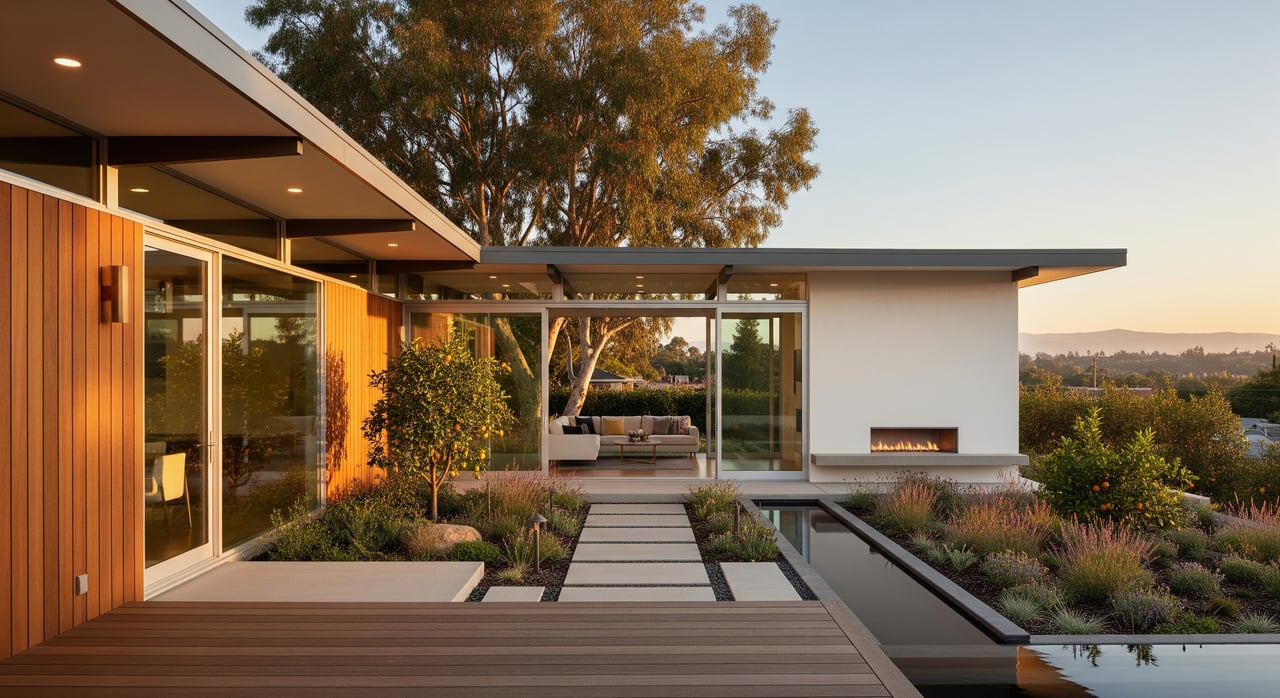
Home Styles

From orchards to tech cubes

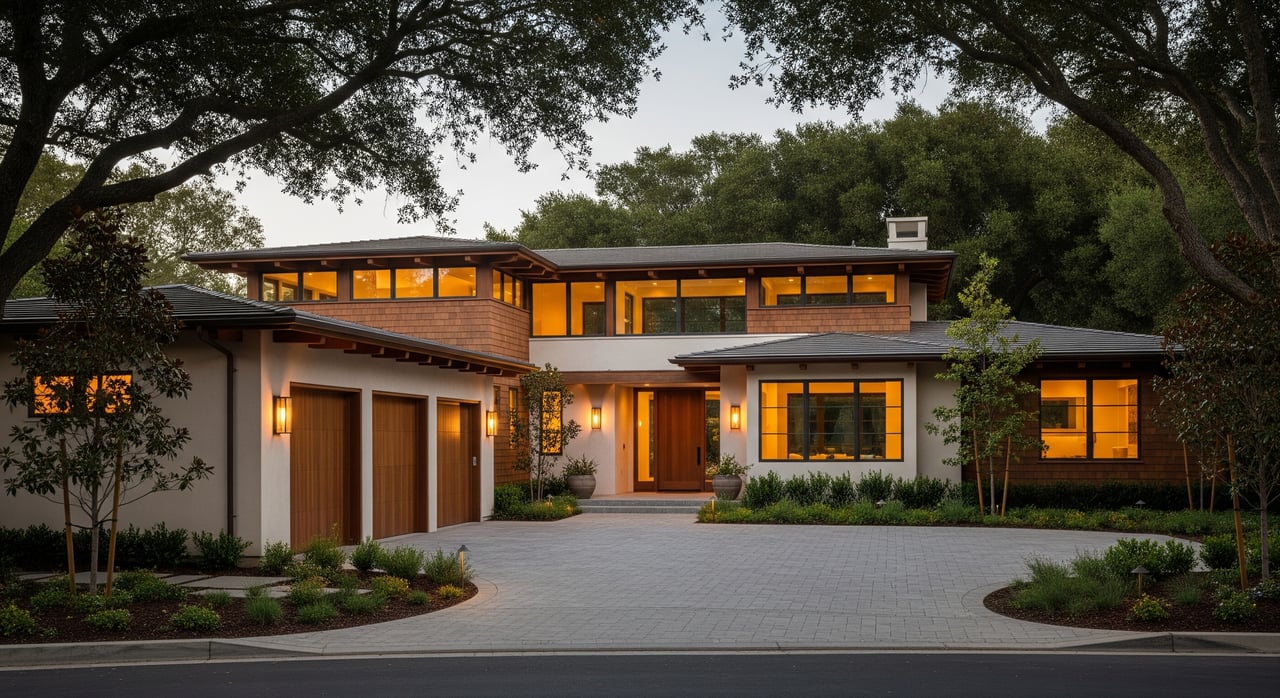
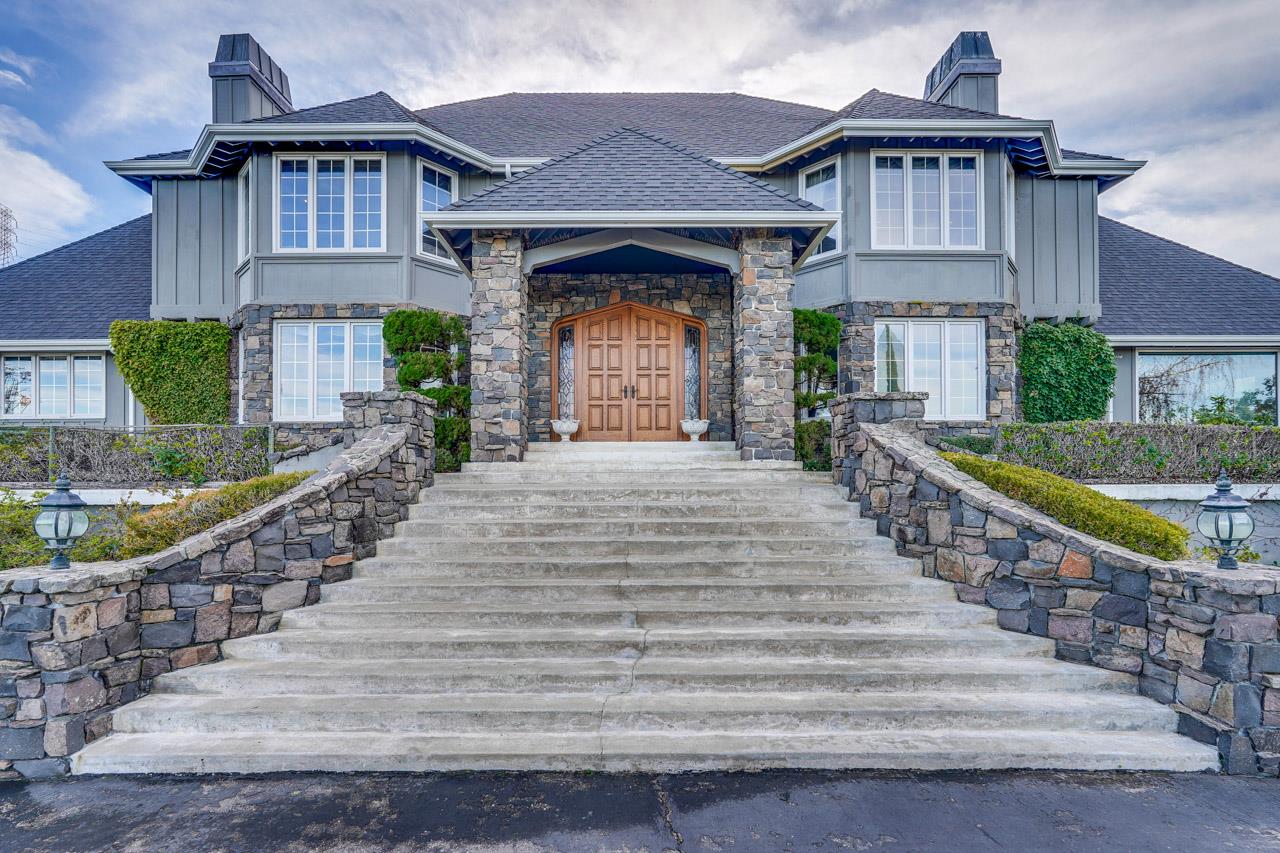
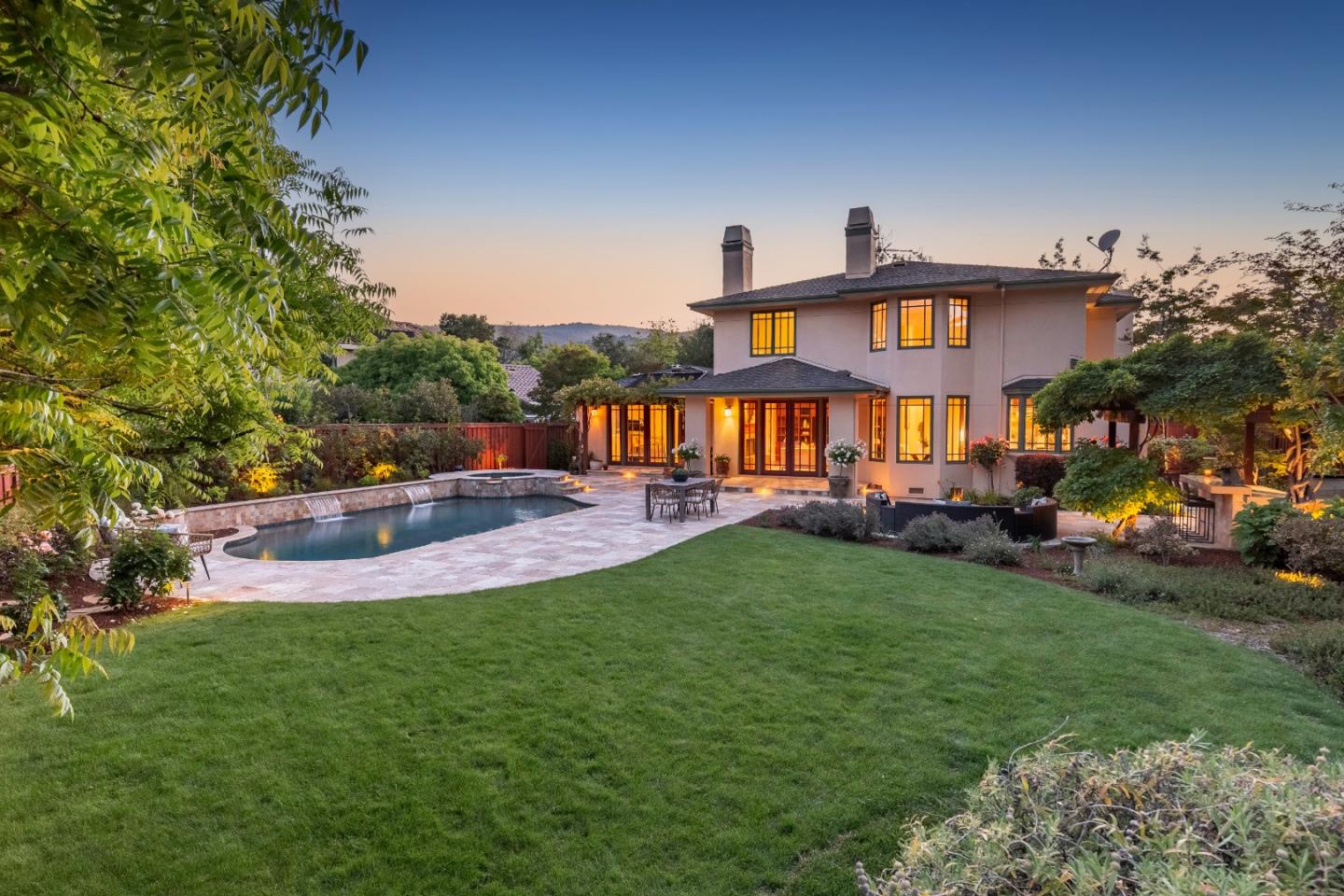
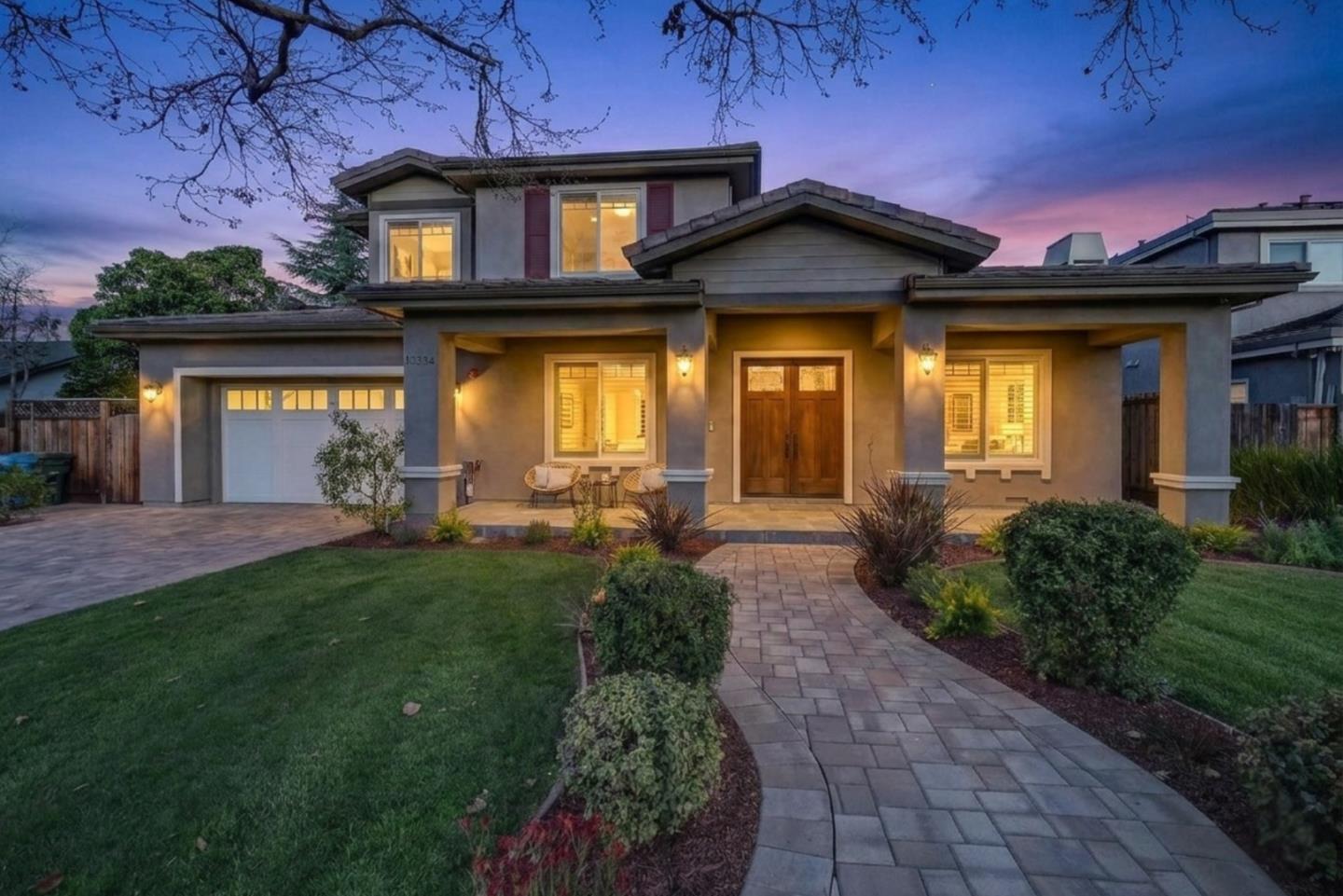
Cupertino’s housing stock traces Silicon Valley’s evolution — from mid-century agricultural ranches to an epicenter of high-end custom luxury.

1950s – 1970s
Mid-Century Ranch
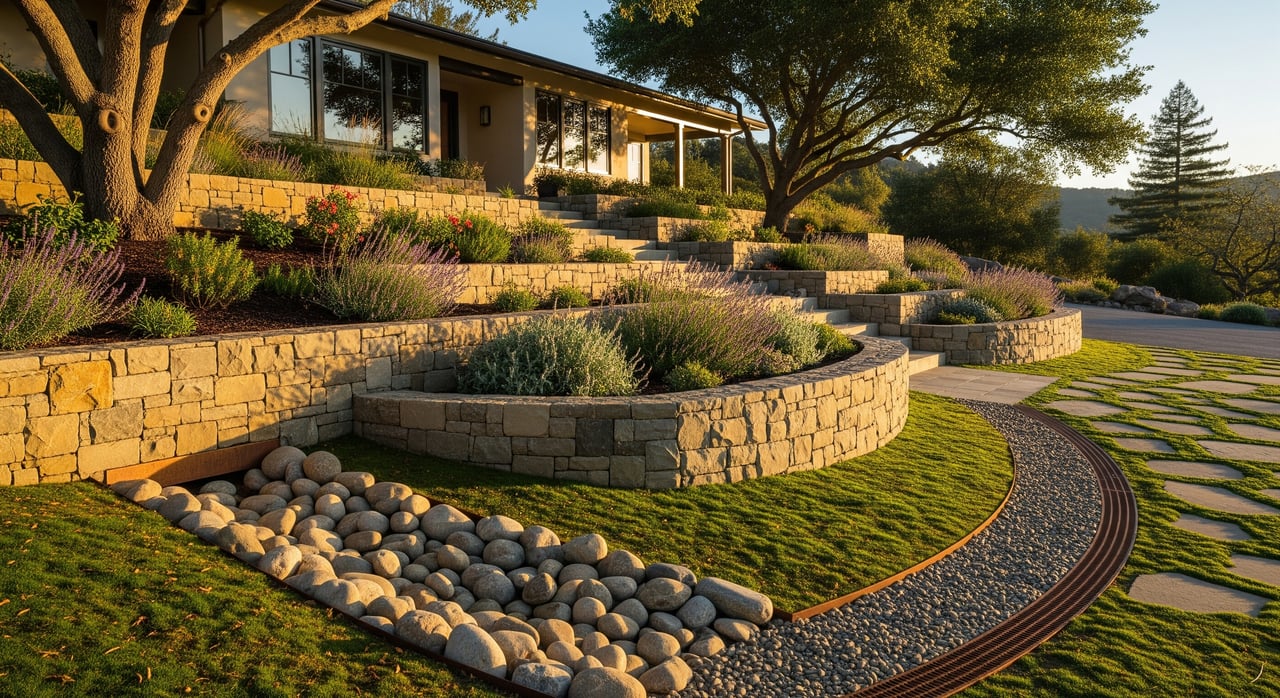
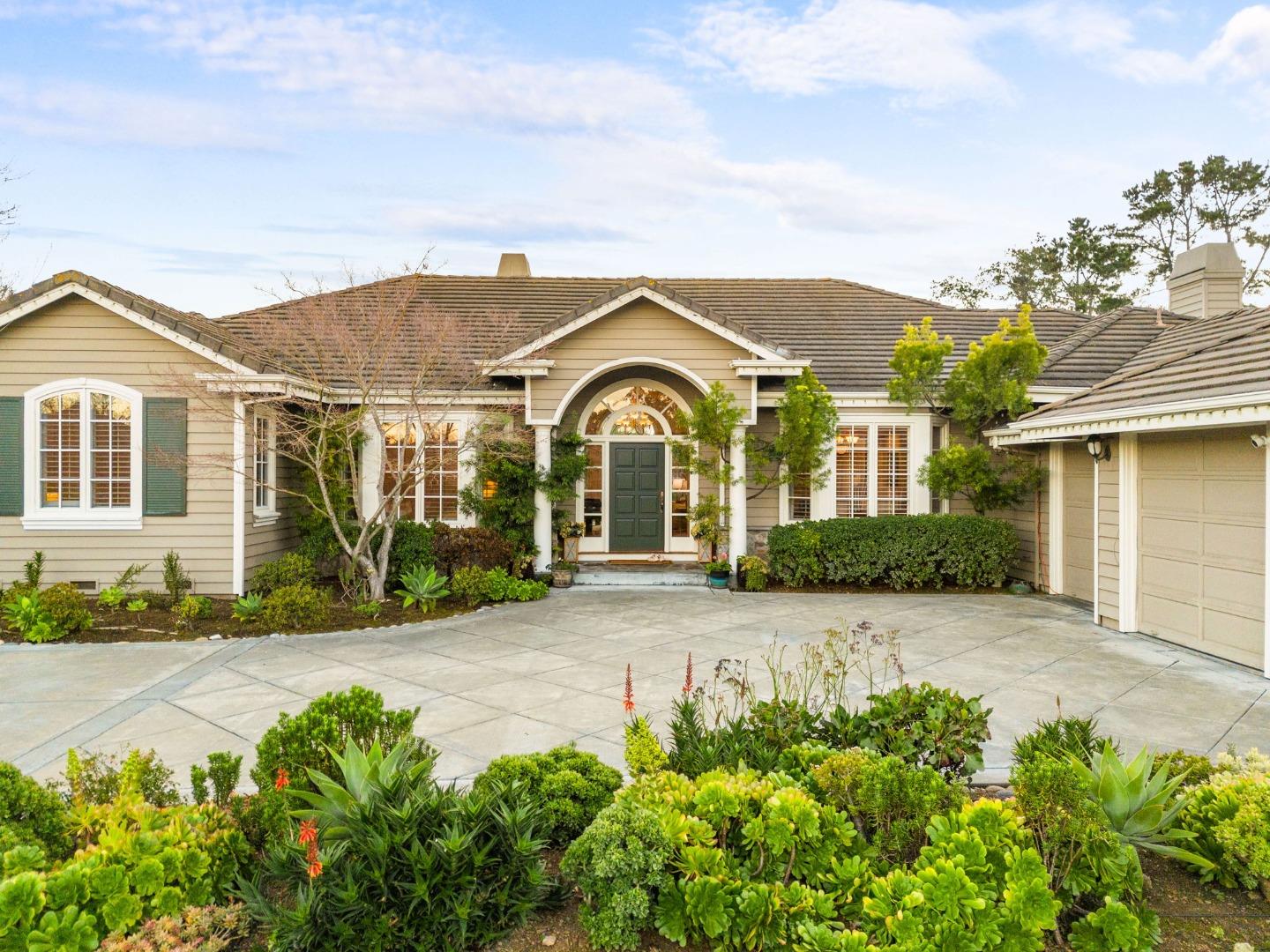
Single-story California ranches — low-pitched roofs, attached two-car garages, flat lots. Dominant in Rancho Rinconada; prized by retirees and tear-down rebuilders alike.
1990s – 2010s
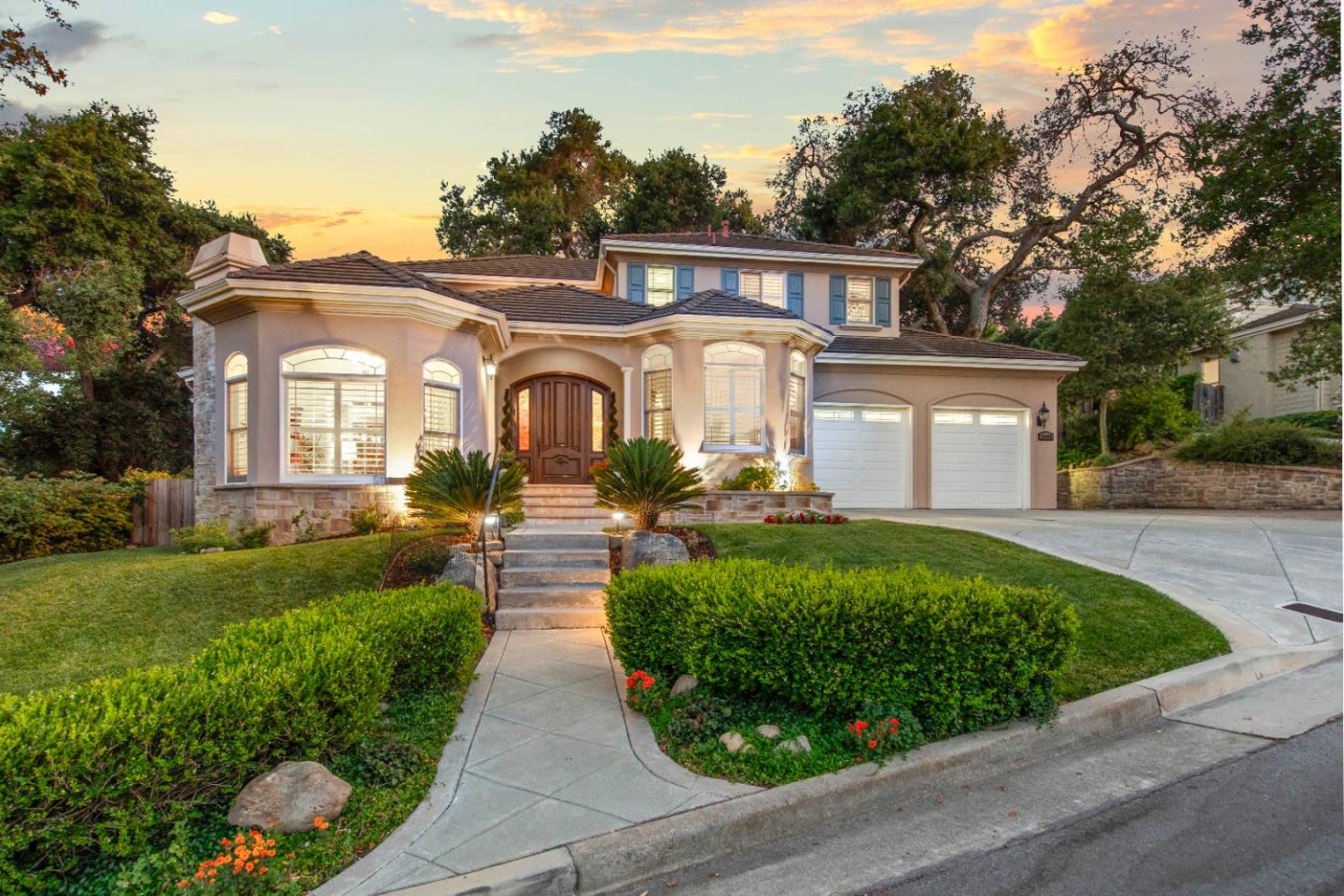
The McMansion Boom
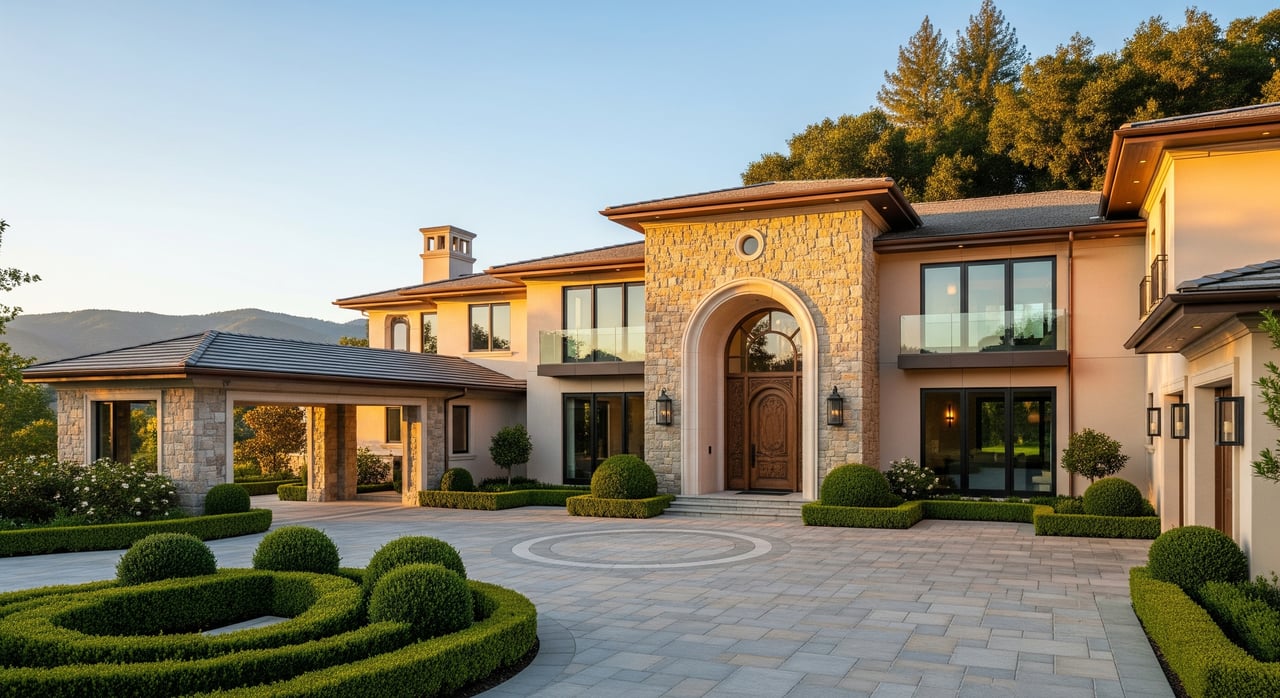
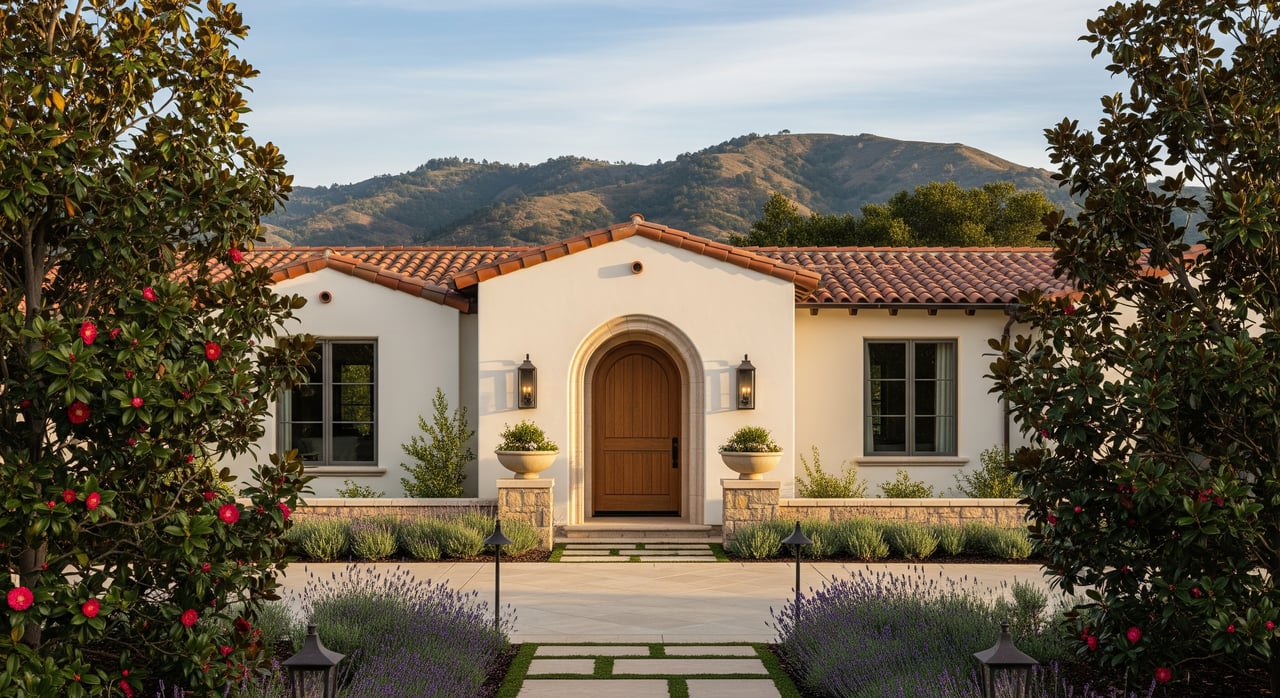
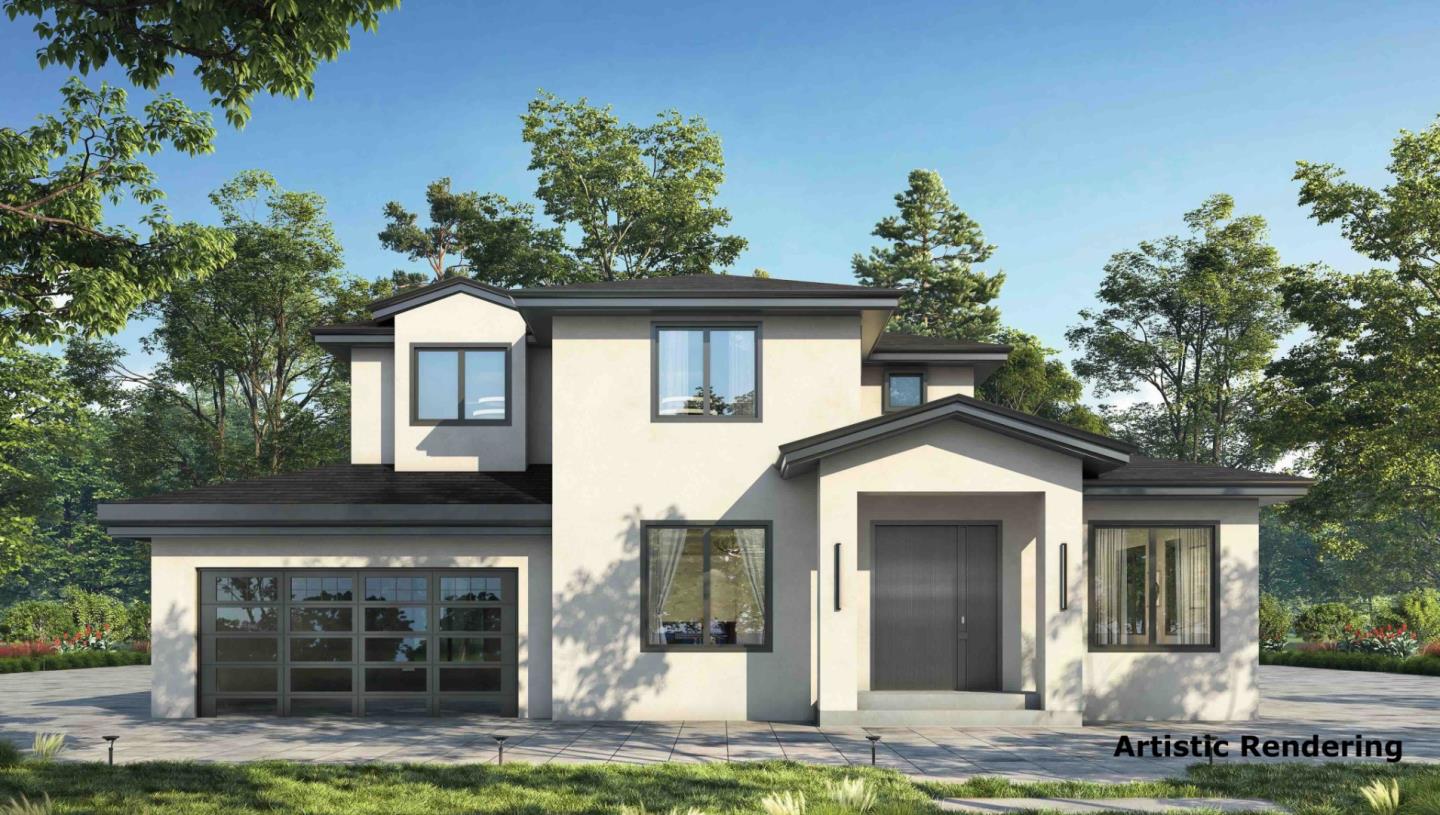
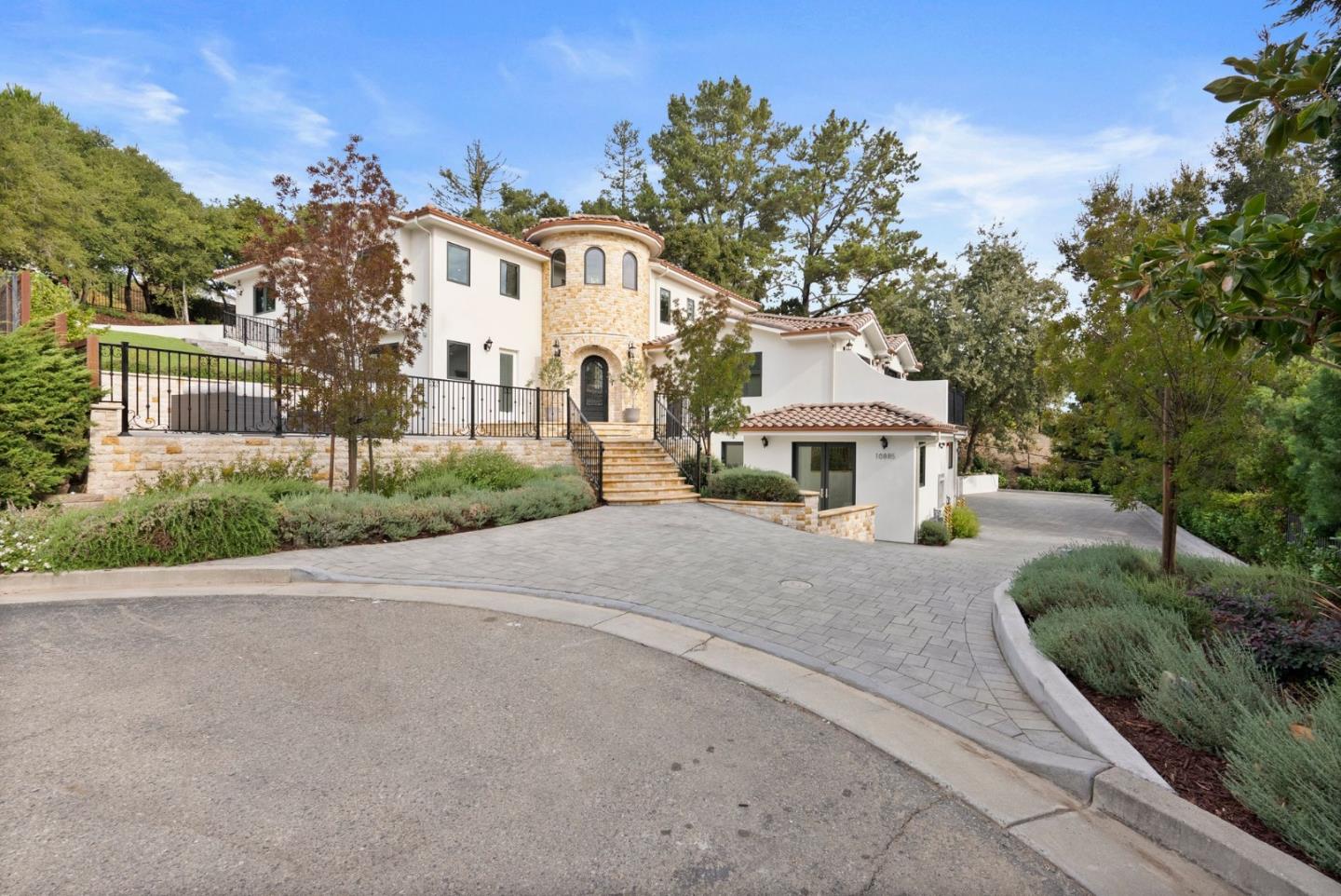
Two-story stucco and Mediterranean townhomes, plus original 1,200 sq ft ranches rebuilt into 3,500+ sq ft homes maxing out legal lot coverage.
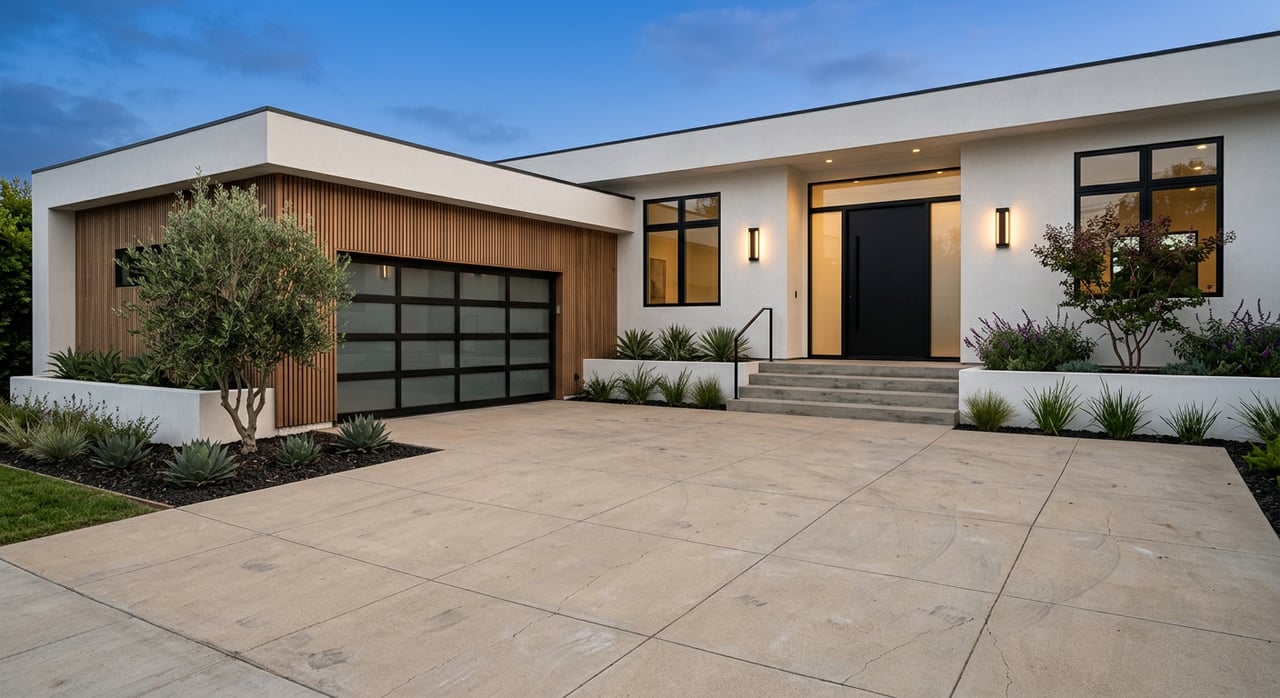
2020s – Present
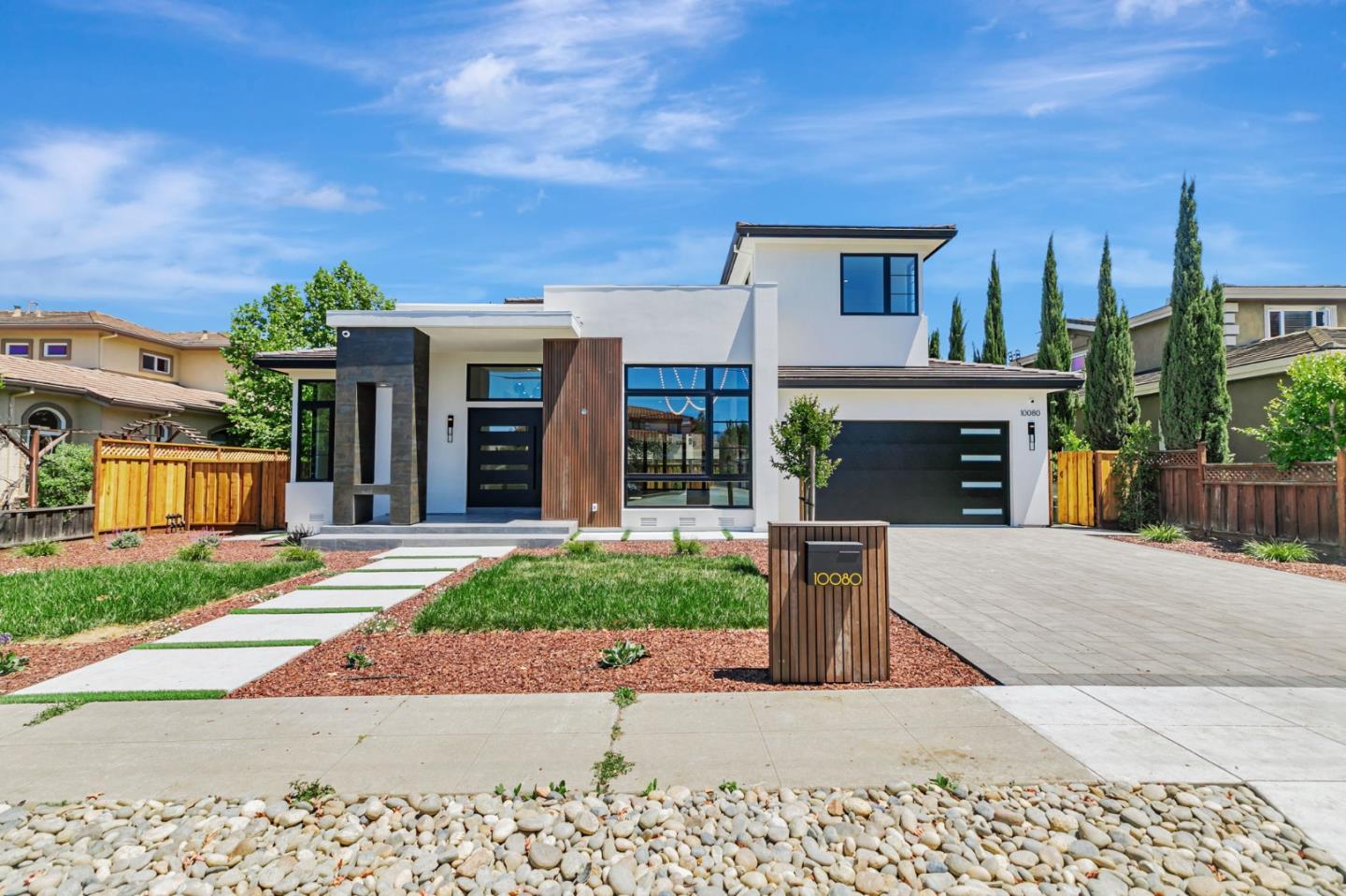
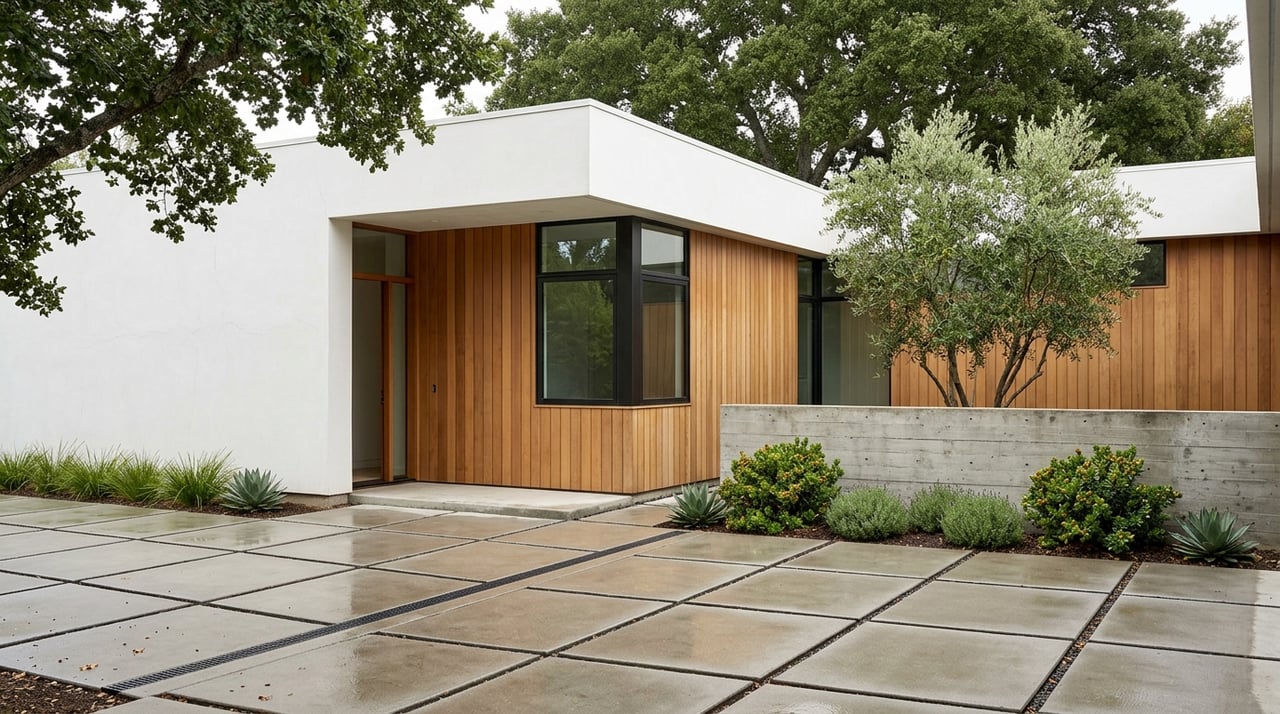
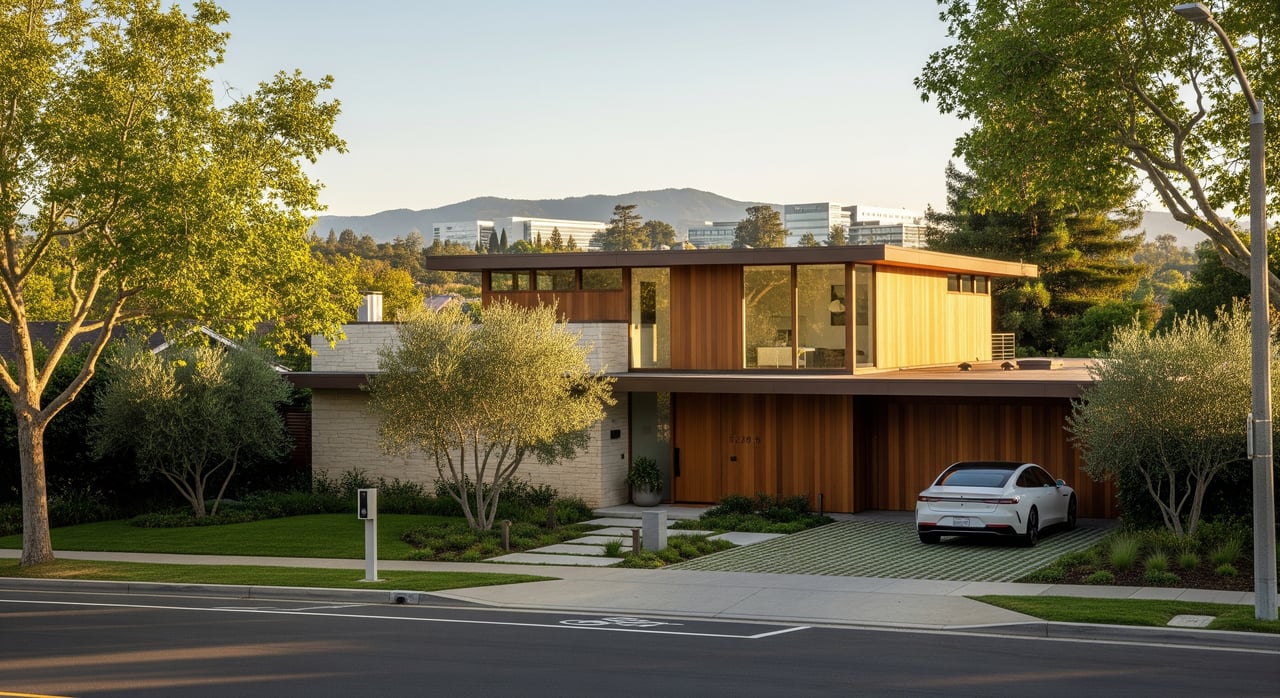
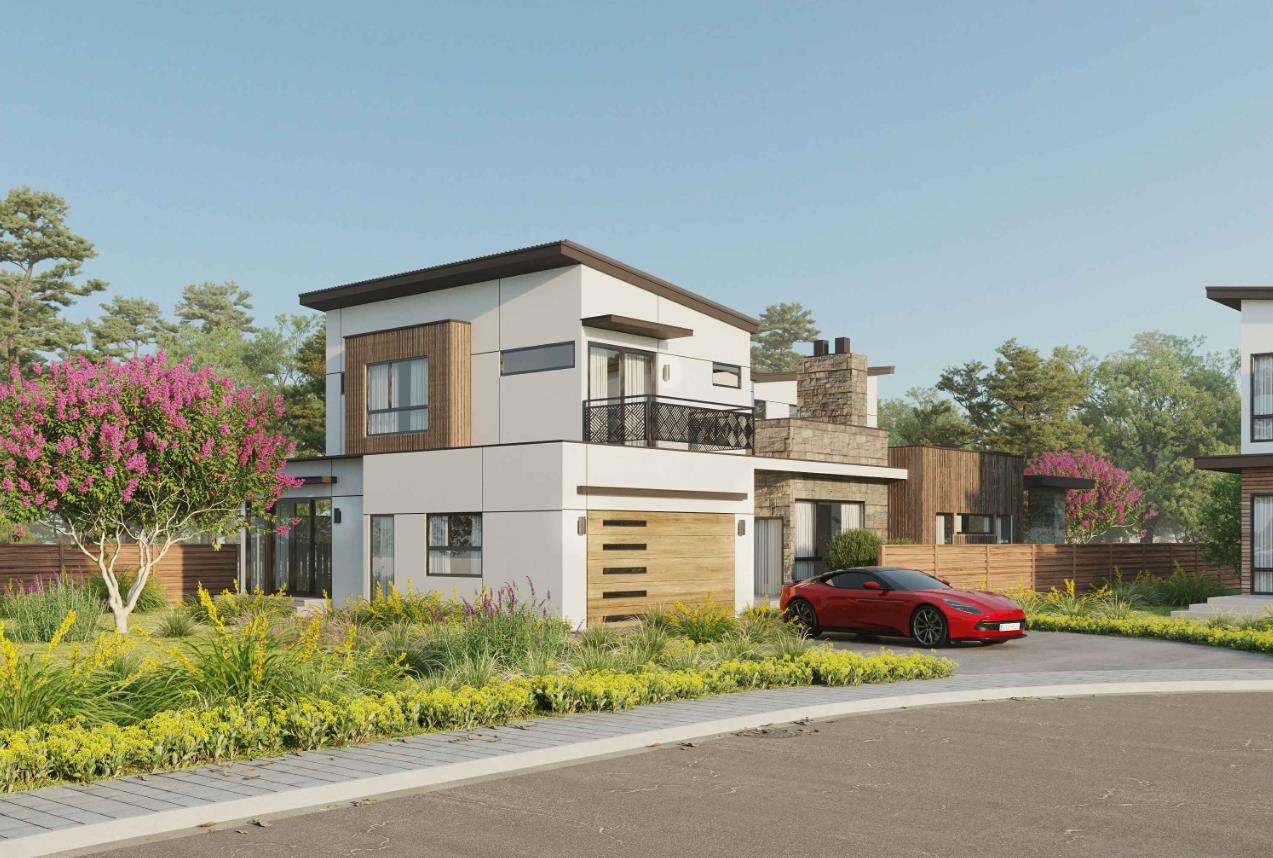
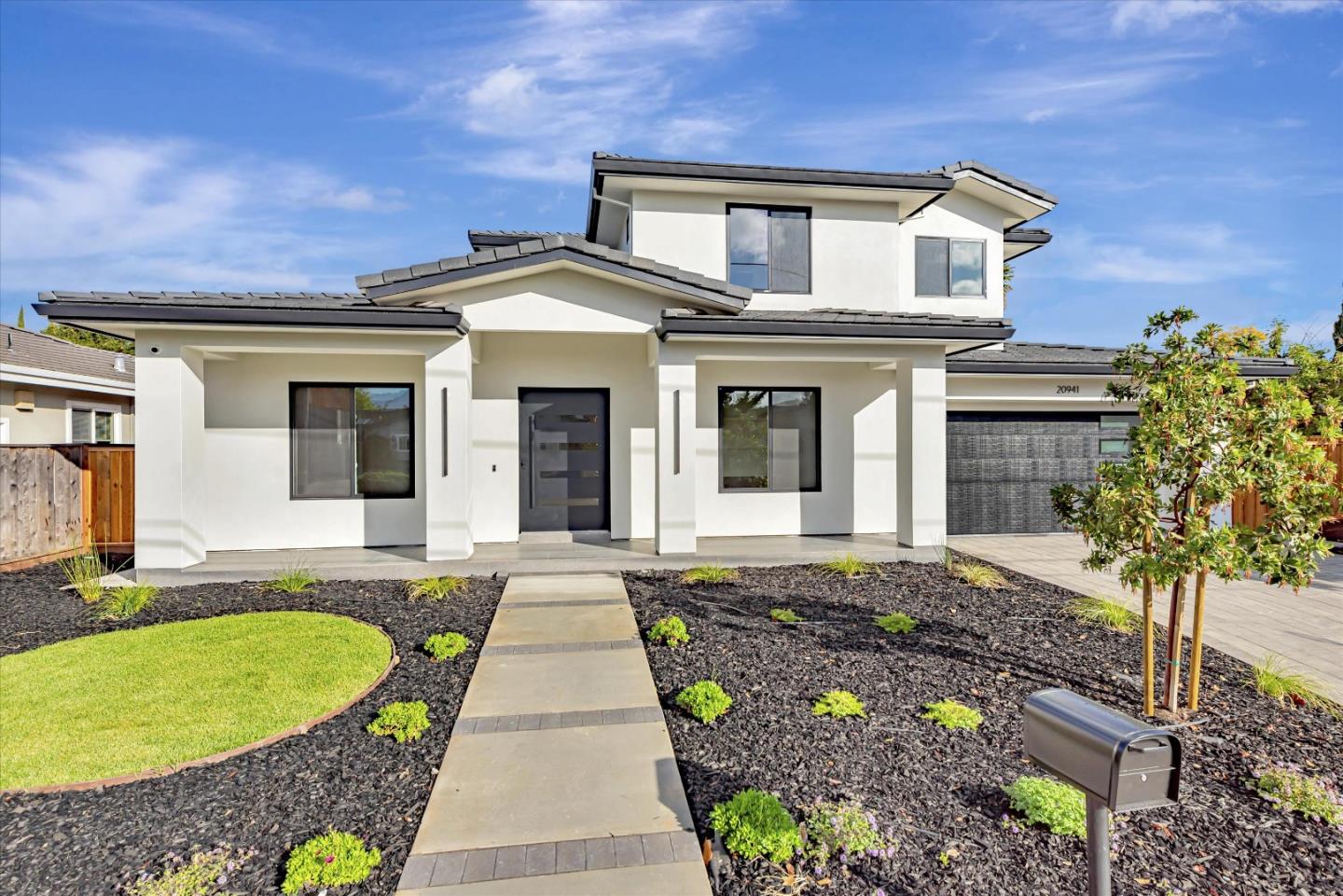
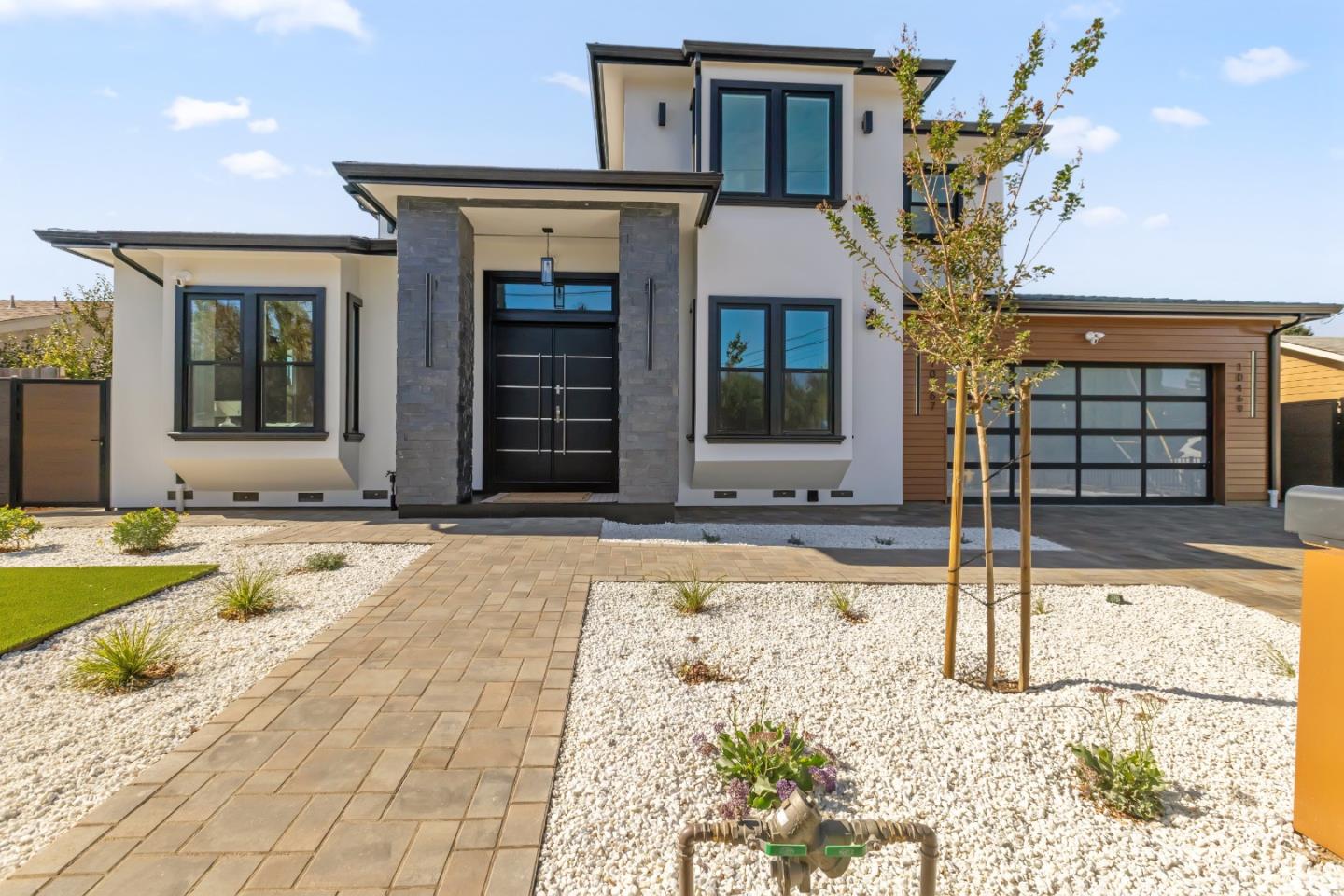
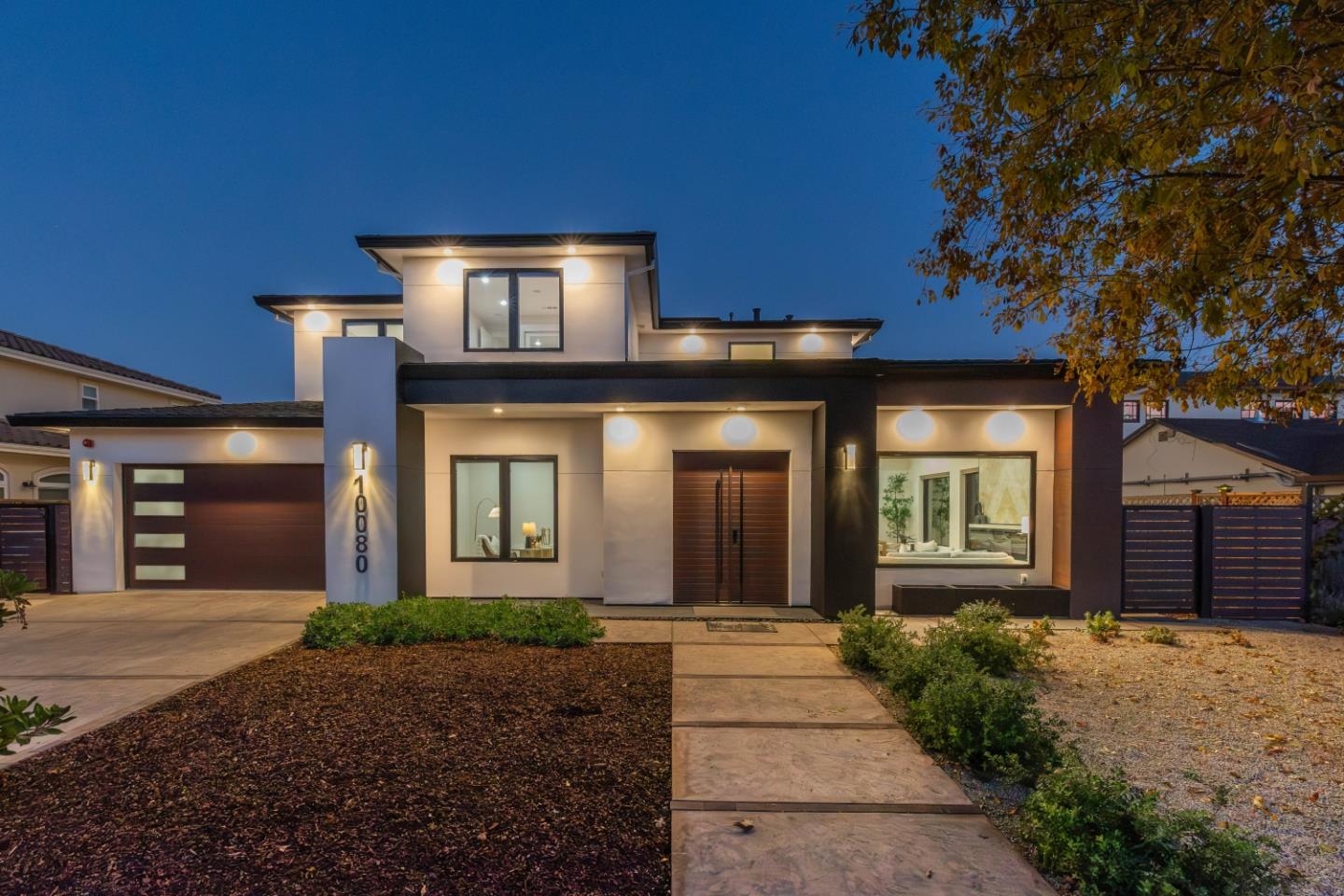
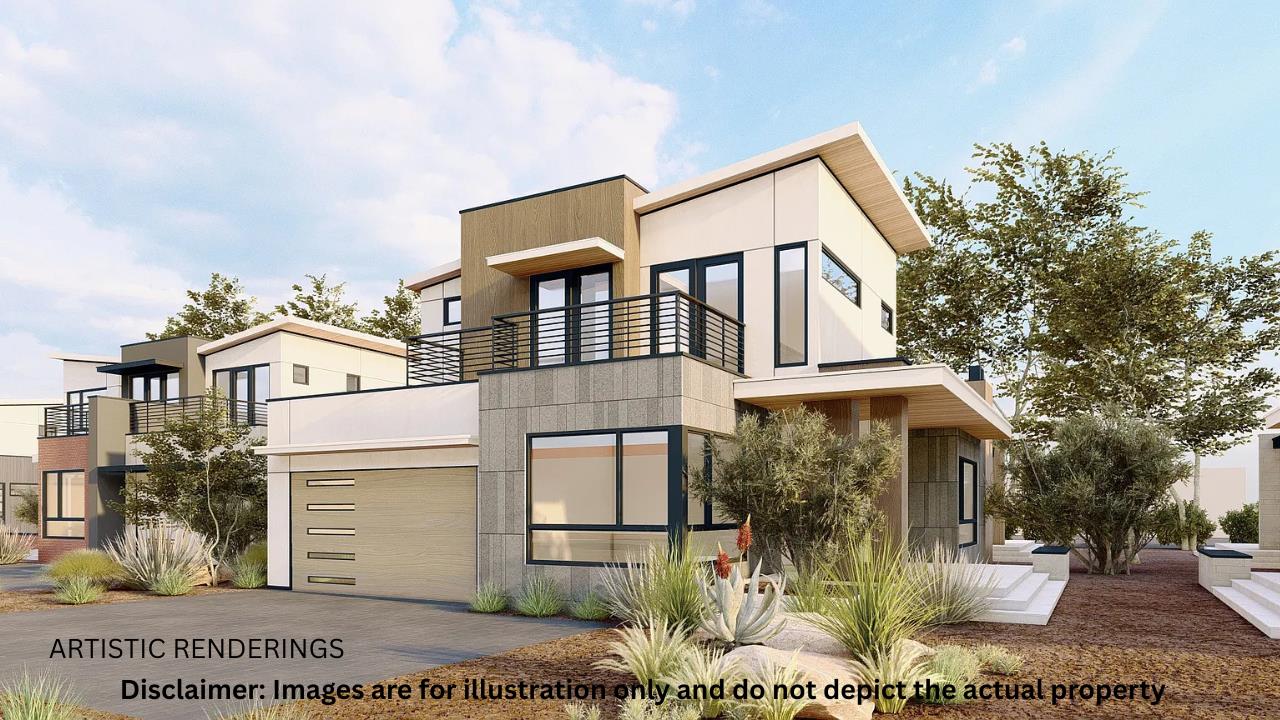
Modern Tech Cube
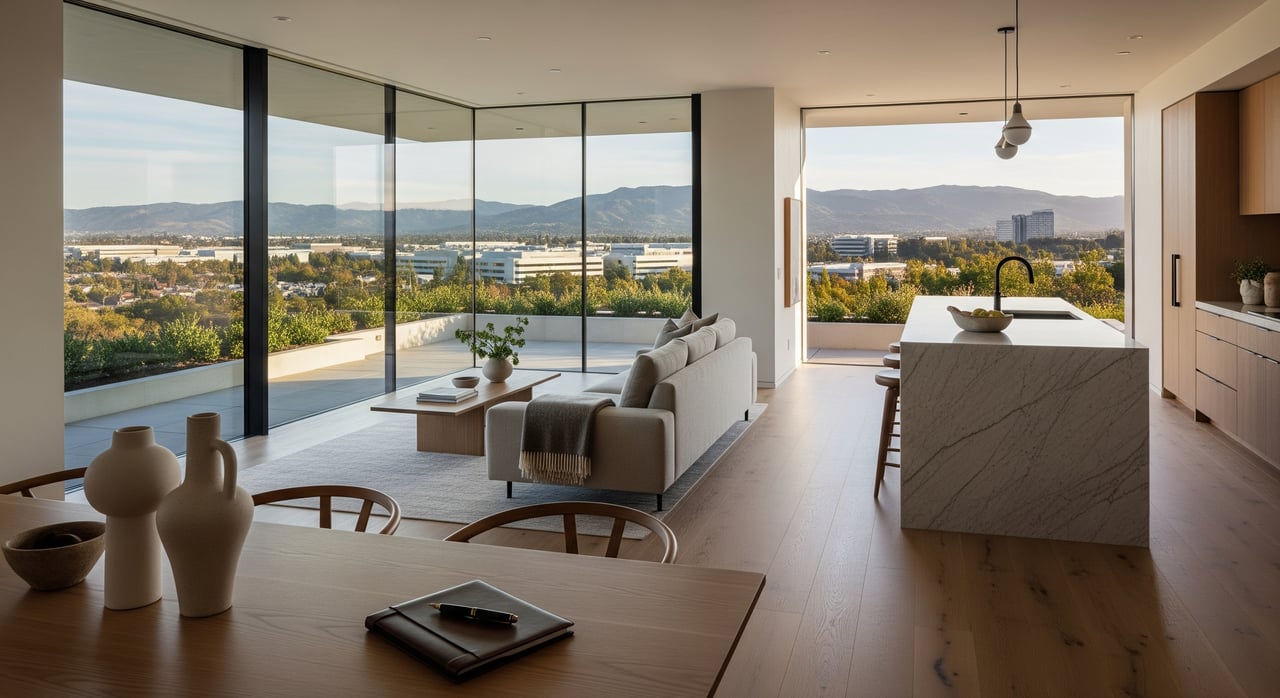
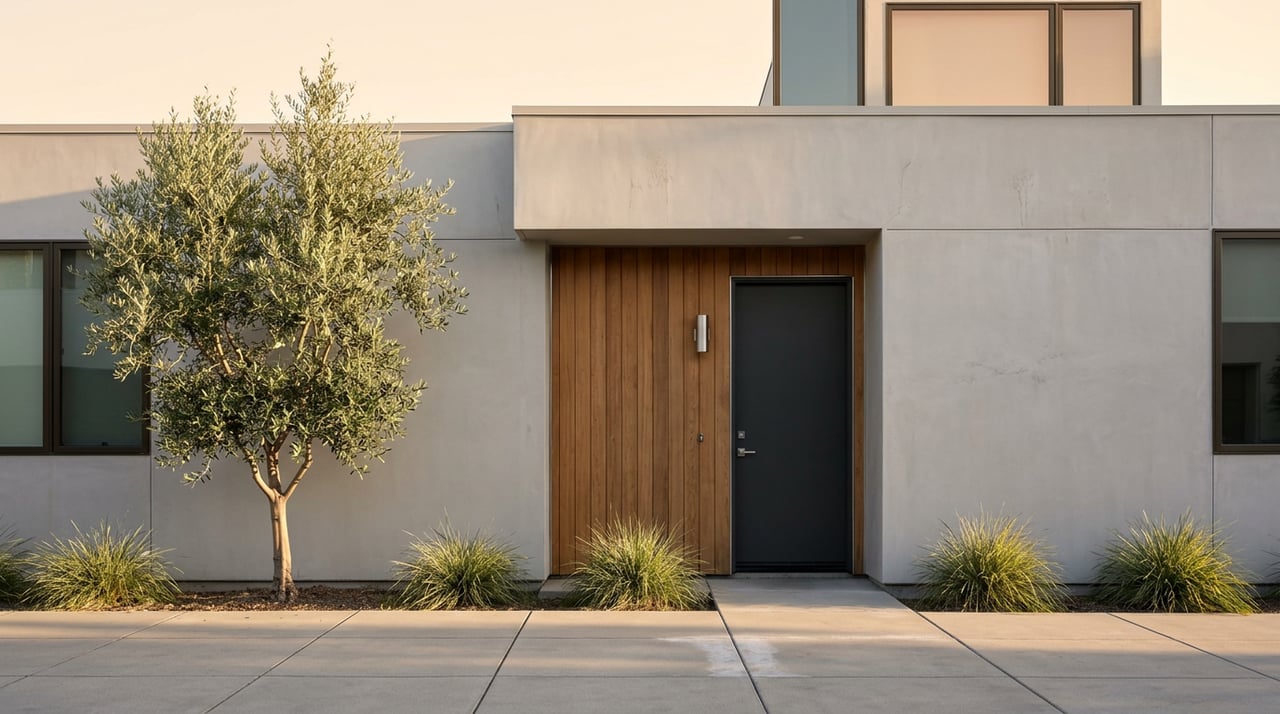
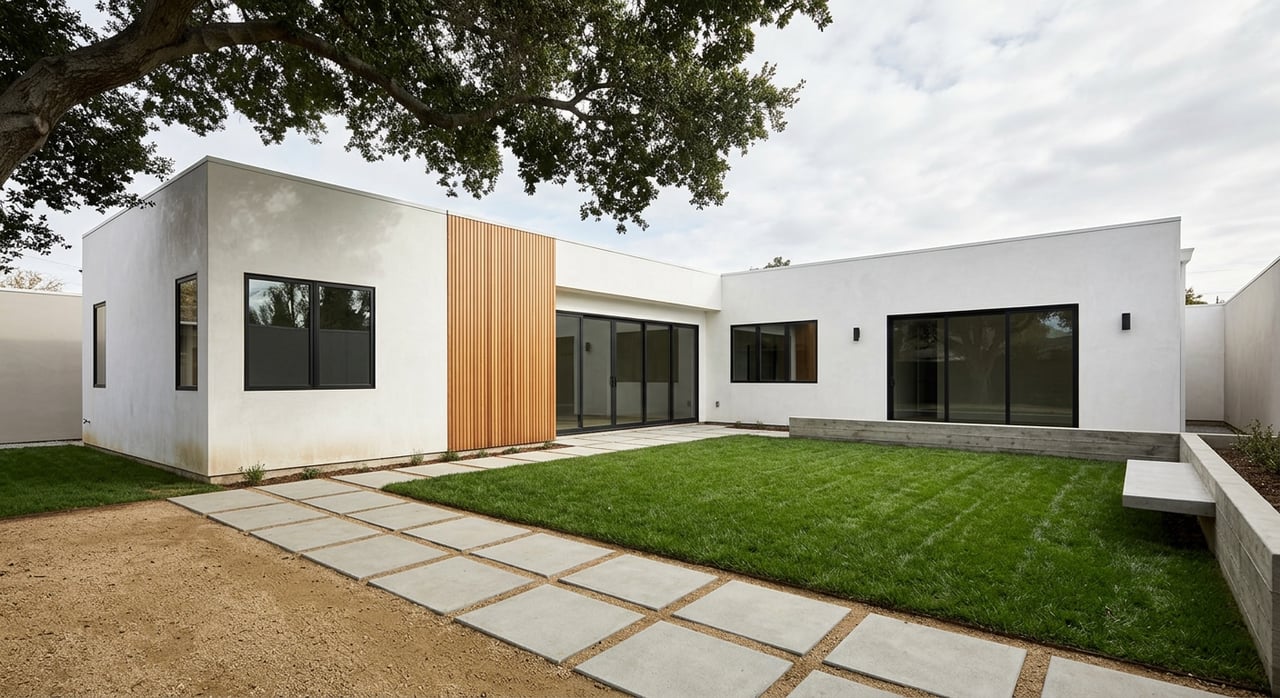
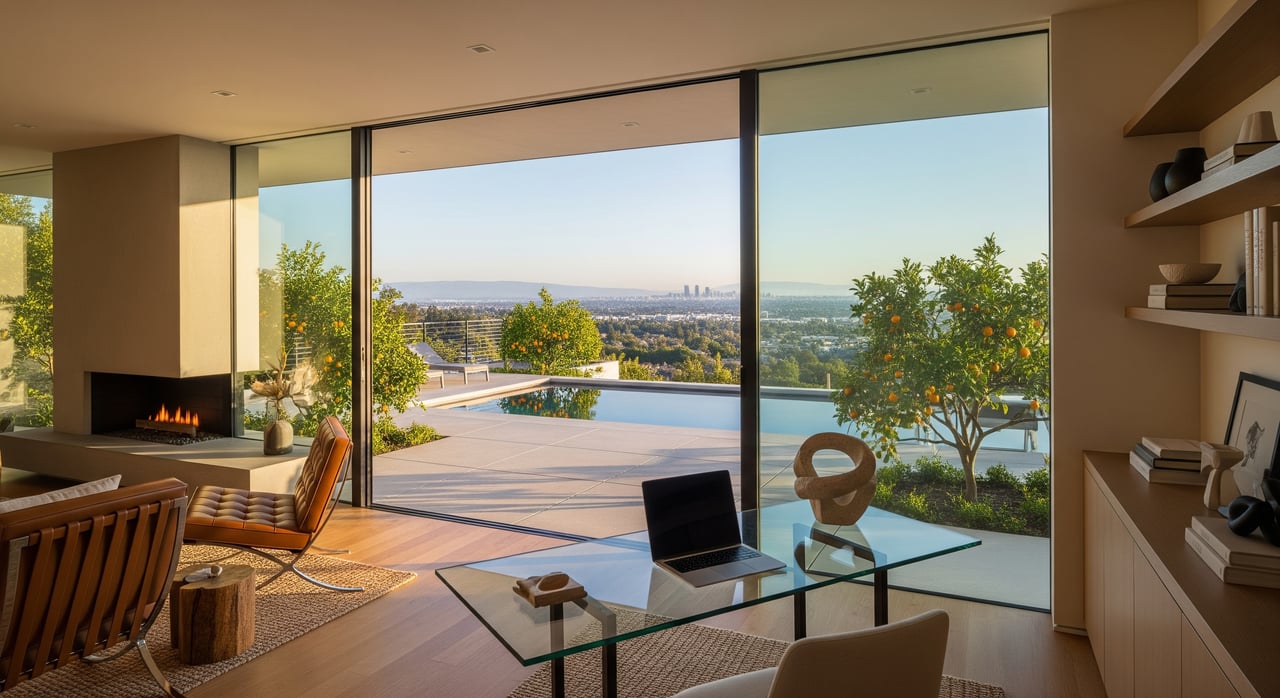
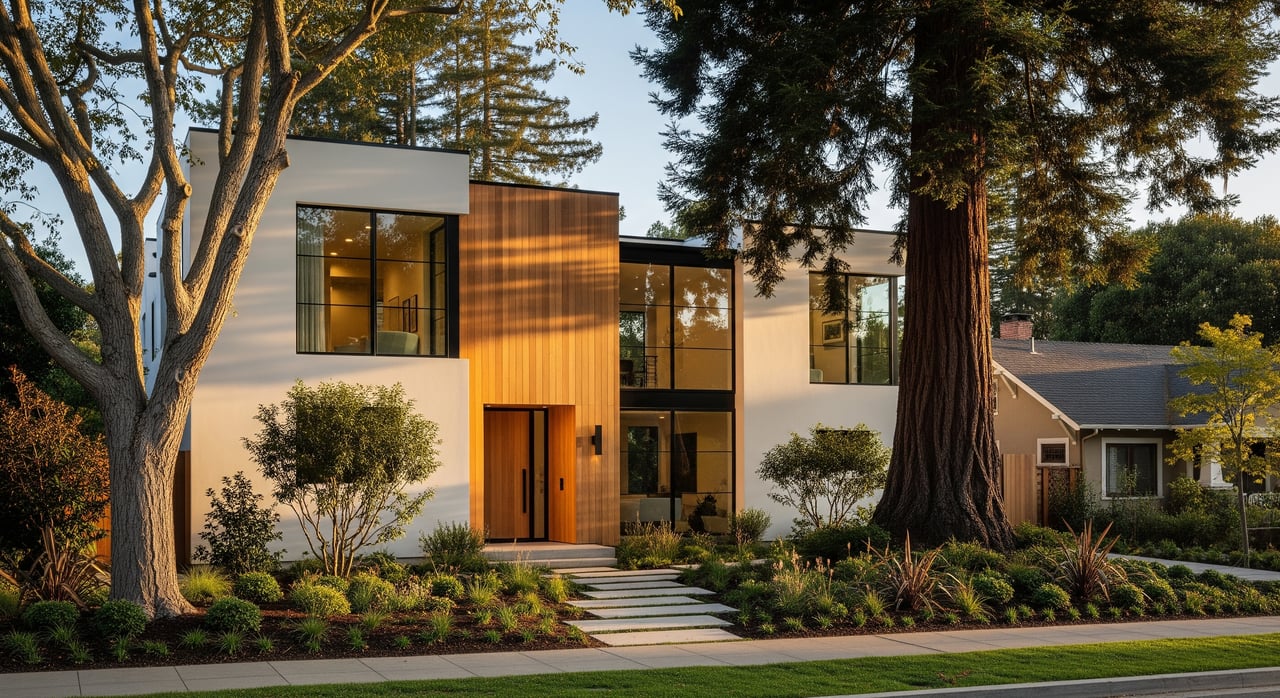
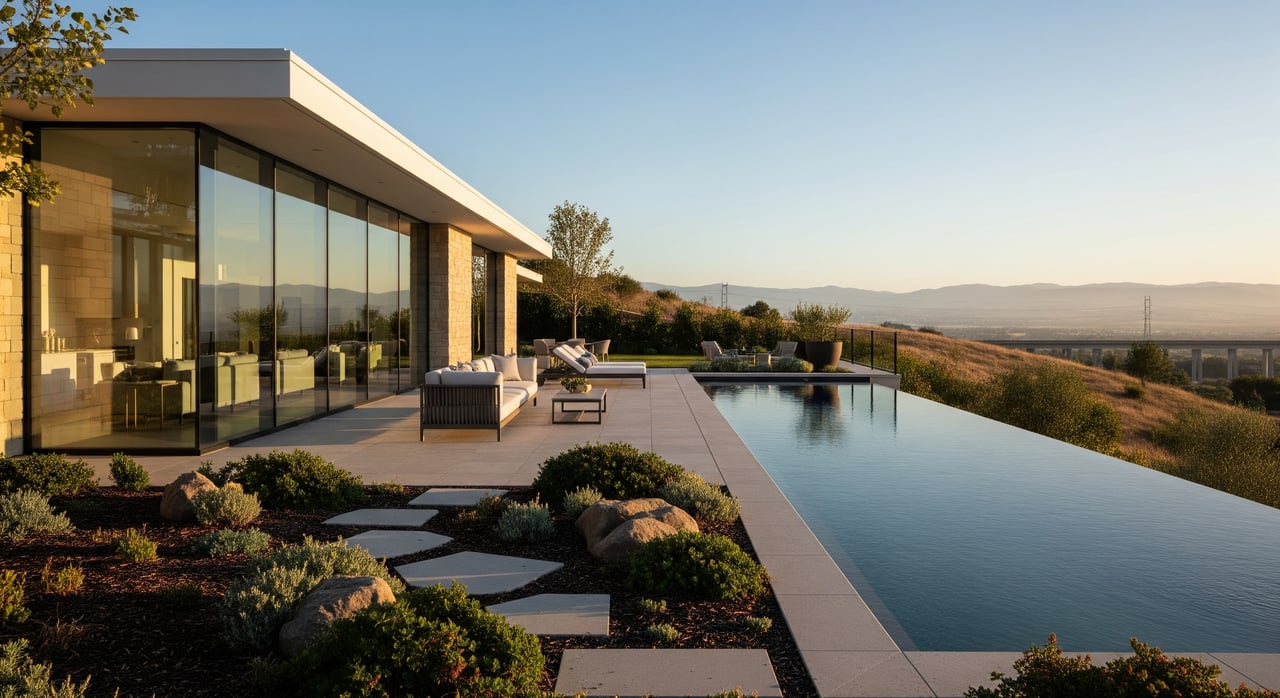
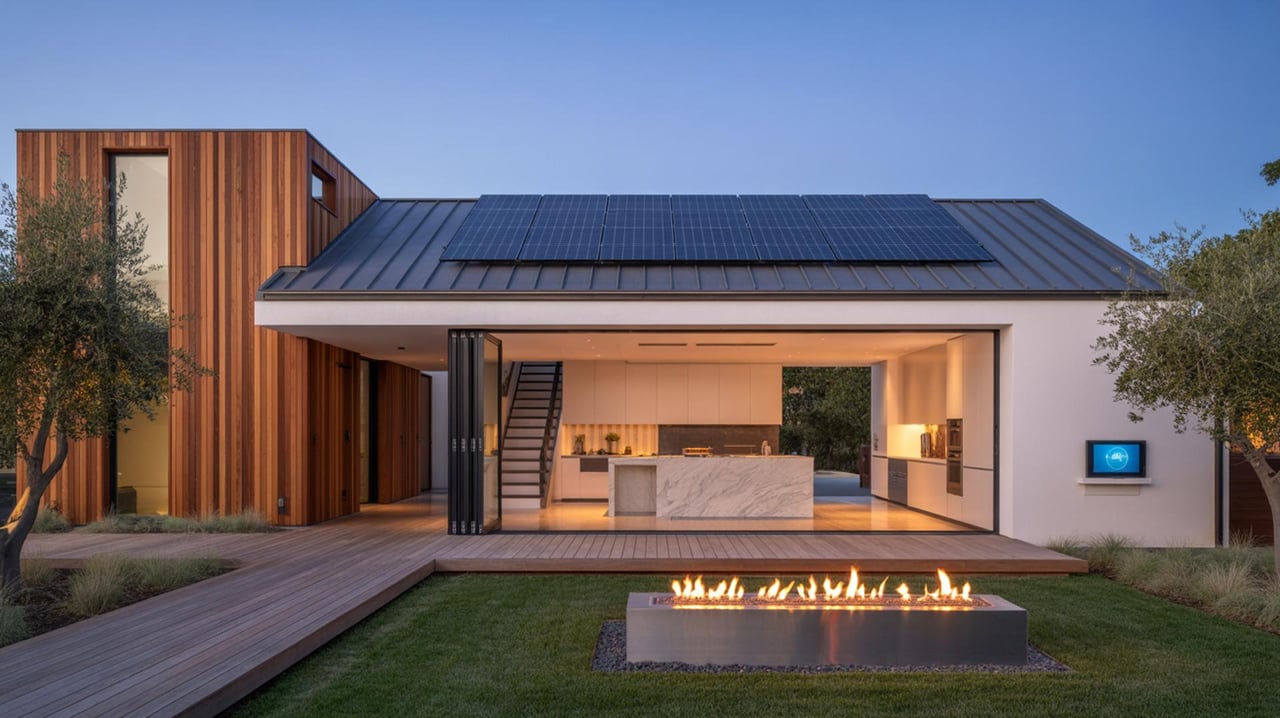
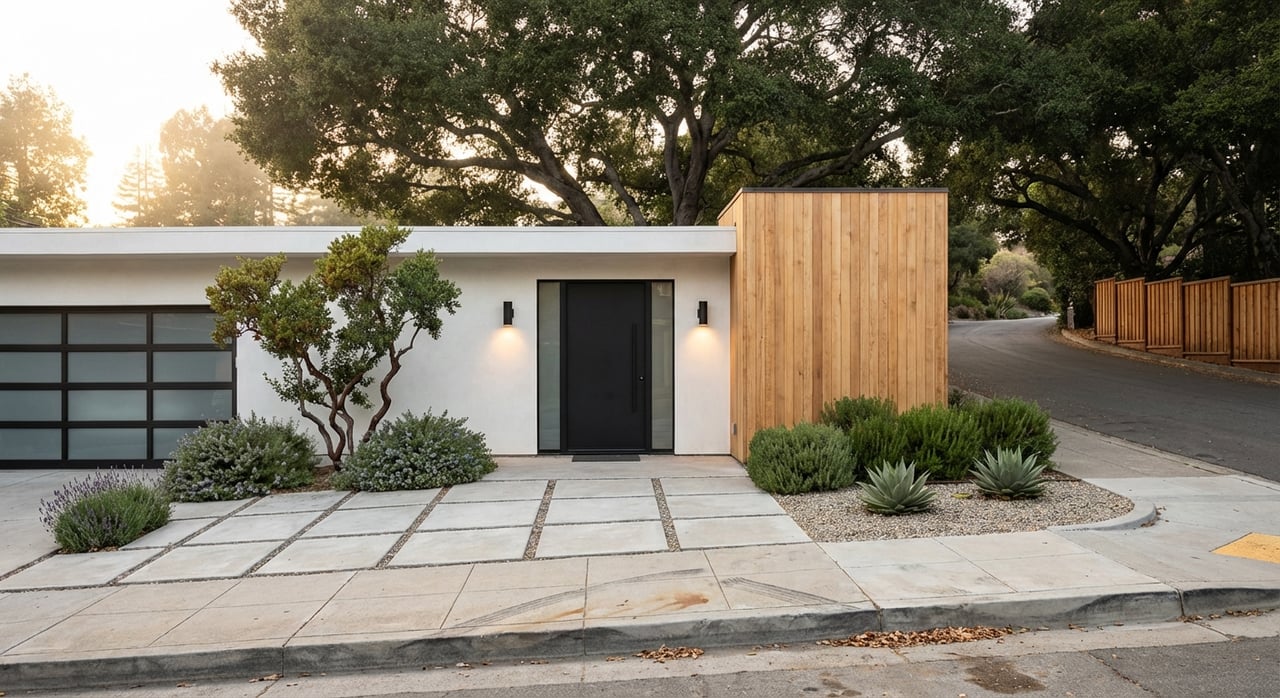
Stark geometric lines, flat roofs, floor-to-ceiling glass, steel and wood — minimalist, smart-home, net-zero builds that mirror Apple’s own ethos.
06
Getting Around

A car-first suburb built for commuters

Cupertino is a classic Silicon Valley suburb — predominantly car-first, but laid out to be efficient for drivers, transit commuters, and cyclists alike.

Highways & Driving
  • I-280 runs north to San Francisco and south to San Jose; SR-85 reaches Mountain View and Sunnyvale.
  • Traffic bottlenecks at the I-280/SR-85 interchange and near campus exits like Wolfe Road and De Anza Blvd.
Transit & Shuttles
  • No Caltrain or BART in the city, but VTA buses connect to the Sunnyvale Caltrain station and Mountain View hub.
  • A major stop for Apple, Google, and Meta corporate shuttle networks with residential pickup zones.
Biking
  • One of the South Bay’s most bike-friendly cities, with buffered and protected lanes on McClellan Rd and Stevens Creek Blvd.
  • Safe routes let students reach high schools and workers reach Apple Park without mixing with heavy traffic.
Parking
  • Rarely an issue — two-car garages and wide driveways are standard.
  • Structured garages serve Main Street and the upcoming Rise; daily errands still require a car.
07
Parks & Outdoors

Foothills at the edge of tech

For all its intensity, Cupertino is framed by preserved open space — a seamless transition from a high-pressure workday to premium recreation minutes from home.

4,000 Acres
Rancho San Antonio
A South Bay crown jewel with 24+ miles of trails and historic Deer Hollow Farm — a family favorite on the city’s western edge.
Foothills
Stevens Creek County Park
A reservoir setting with non-motorized boating, archery, shaded picnic areas, and trails linking into the Santa Cruz Mountains.
Creek Corridor
Blackberry Farm
A renovated golf course, pools, and bocce beside McClellan Ranch Preserve — a nature center with community gardens and a museum.
08
Dining & Nightlife

Low-key, culinary, world-class

The scene mirrors a cosmopolitan, highly educated city — not a club district, but a deep bench of premium food and relaxed, family-oriented gathering spots.

Asian Culinary Hub
  • Stevens Creek and De Anza strips packed with Taiwanese, regional Chinese, Japanese, and Korean cuisine.
  • From boba shops and late-night hot pot to Michelin-rated ramen.
Main Street Cupertino
  • The city’s social hearth — a pedestrian-friendly, mixed-use town center.
  • Upscale-casual dining, artisan coffee, dessert lounges, and outdoor plazas for happy hours and family outings.
Wine Country Above
  • The Santa Cruz Mountains AVA sits right at the doorstep.
  • Historic Ridge Vineyards (Monte Bello) pours collector-grade Cabernet with panoramic valley views.
09
Community & Culture

Civically engaged and multicultural

Cupertino’s civic heartbeat runs on family, education, and a genuine celebration of diversity — the kind of cohesion that makes neighborhoods feel tight-knit.

Every Sunday
Farmers Market
A weekly ritual at the Oaks Shopping Center — organic produce, artisanal food, and a social crossroads for neighbors.
~4 Decades
Cherry Blossom Festival
Honoring the sister-city bond with Toyokawa, Japan — Taiko drumming, martial arts, and cultural booths at Memorial Park.
Annual
Silicon Valley Fall Festival
Youth, tech, and community at Memorial Park — high-school robotics displays, art shows, and family entertainment.
Year-Round
Neighborhood Associations
Block parties, National Night Out, and active groups like CUNA keep civic standards high and residents’ voices loud.
10
Future Development

A suburb growing a real downtown

Cupertino’s cityscape is changing on purpose — steered by California’s housing mandates, it’s injecting modern mixed-use density along its main arteries while shedding its sleepy-suburb identity.

The Headline Project
The Rise — the Vallco redevelopment
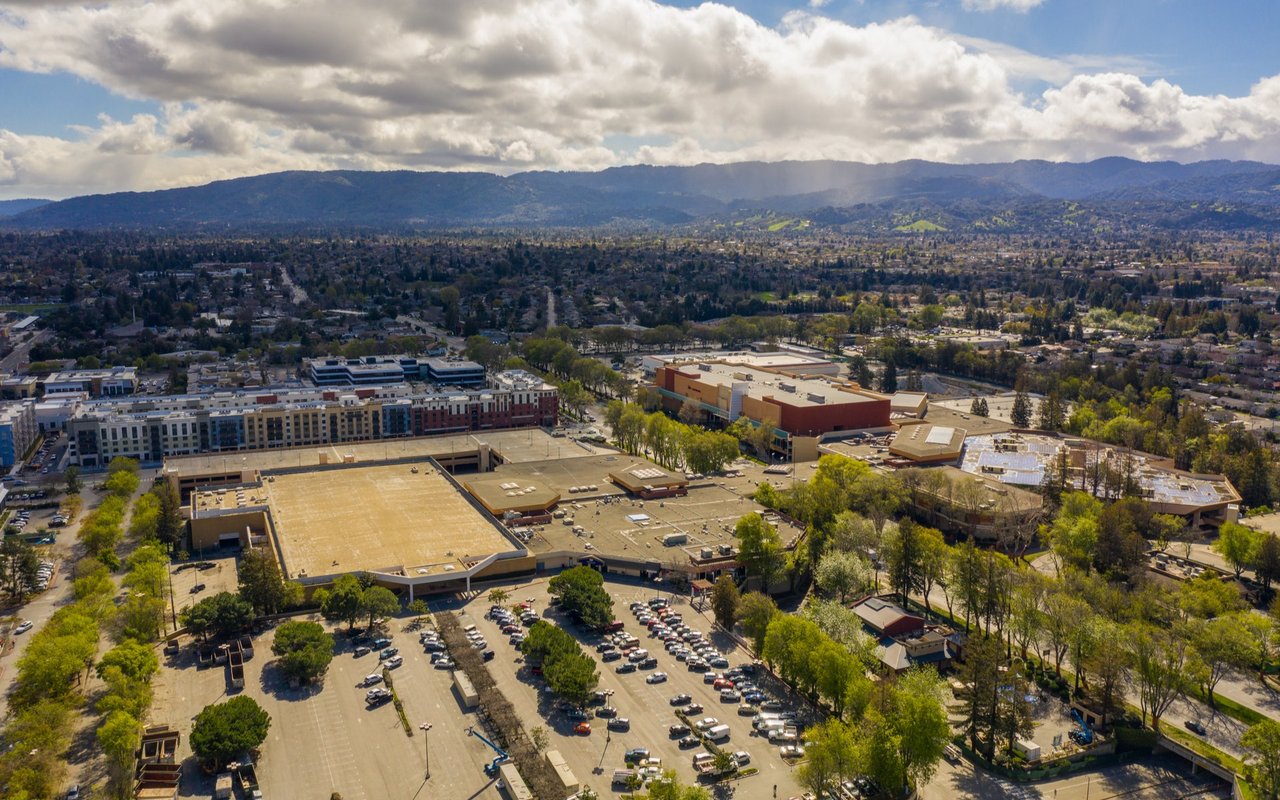
A 50-acre transformation of the former Vallco Fashion Park into Cupertino’s official urban town center — a walkable retail core, public parks, and thousands of homes that should lift nearby property values as the project moves into vertical construction.
50+
Acres
2,600+
Residential Units
Town Center
Retail & Public Parks
High-Density Rezoning Wave
Upzoning older strip malls along Stevens Creek, De Anza & Homestead (Toll Brothers, SummerHill projects).
4,500+ units by 2031
Transit & Bikeways
Class IV bikeways on Stevens Creek and a separated McClellan Rd corridor link neighborhoods to Apple Park.
Mobility

Around Cupertino, CA

There's plenty to do around Cupertino, including shopping, dining, nightlife, parks, and more. Data provided by Walk Score and Yelp.

6
Car-Dependent
Walking Score
19
Somewhat Bikeable
Bike Score

Points of Interest

Explore popular things to do in the area, including AYSO Region 44, and Orchard Heritage Park.

Name Category Distance Reviews
Ratings by Yelp
Active 4.04 miles 6 reviews 5/5 stars
Active 4.7 miles 12 reviews 5/5 stars

Demographics and Employment Data for Cupertino, CA

Cupertino has 21,960 households, with an average household size of 2.76. Data provided by the U.S. Census Bureau. Here’s what the people living in Cupertino do for work — and how long it takes them to get there. Data provided by the U.S. Census Bureau. 61,109 people call Cupertino home. The population density is 2,458.08 and the largest age group is Data provided by the U.S. Census Bureau.

61,109

Total Population

High

Population Density Population Density This is the number of people per square mile in a neighborhood.

40.7

Median Age

52.65 / 47.35%

Men vs Women

Population by Age Group

0-9:

0-9 Years

10-17:

10-17 Years

18-24:

18-24 Years

25-64:

25-64 Years

65-74:

65-74 Years

75+:

75+ Years

Education Level

  • Less Than 9th Grade
  • High School Degree
  • Associate Degree
  • Bachelor Degree
  • Graduate Degree
21,960

Total Households

2.76

Average Household Size

$105,625

Average individual Income

Households with Children

With Children:

Without Children:

Marital Status

Married
Single
Divorced
Separated

Blue vs White Collar Workers

Blue Collar:

White Collar:
Commute Time

0 to 14 Minutes
15 to 29 Minutes
30 to 59 Minutes
60+ Minutes

Schools in Cupertino, CA

All ()
Primary Schools ()
Middle Schools ()
High Schools ()
Mixed Schools ()
The following schools are within or nearby Cupertino. The rating and statistics can serve as a starting point to make baseline comparisons on the right schools for your family. Data provided by the U.S. Census Bureau.
Type
Name
Category
Grades
School rating

Listings in this Area

Interactive Properties Map

For Sale
Sold
Pending
Under Contract
Active Under Contract
Coming Soon
Pocket Listing

Recent Blog Posts

How Tech Markets Shape Palo Alto And Silicon Valley Home Prices

May 7, 2026

How To Prep A Palo Alto Luxury Home To Maximize Offers

April 2, 2026

SB 9 in Palo Alto: Lot Splits and Duplex Rules

January 22, 2026

Seasonal Trends In Palo Alto Luxury Home Demand

April 23, 2026

Planning A Graceful Downsizing From Your Saratoga Estate

April 16, 2026

Contingencies Explained for Mountain View Offers

January 15, 2026

Remodel Or Sell As-Is? A Framework For Los Altos Homeowners

April 9, 2026

Pricing Strategy to Spark Multiple Offers in Saratoga

December 25, 2025

The Pandemic Move That Turned Castro Street Into Mountain View's Most Competitive Restaurant Block

March 26, 2026

Evaluating Lot And Redevelopment Potential In Menlo Park

March 24, 2026

Earnest Money in Palo Alto: What Buyers Should Know

November 21, 2025

Escrow Timelines in Sunnyvale: Step-by-Step Overview

December 11, 2025

Single-Family vs Townhome Living In Mountain View

March 12, 2026

Why Sunnyvale Is Often A First Stop For Silicon Valley Buyers

February 12, 2026

High-End San Jose Neighborhoods That Appeal To Tech Executives

March 5, 2026

Cupertino Home Buying Guide For International And Mandarin Buyers

February 26, 2026

Lifestyle

Hidden Gems in Los Altos You Need to Discover

October 9, 2025

Discover the Best Activities and Attractions in Los Altos
Downtown Los Gatos vs The Hills: Which Lifestyle Fits You?

February 19, 2026

Closing Costs in Santa Clara County: Buyers vs. Sellers

November 14, 2025

Cupertino Neighborhoods by Commute and Lifestyle

November 21, 2025

Everyday Living In Los Altos: Streets, Shops, And Home Styles

February 5, 2026

Sell Your Mountain View Home With a Data-Driven Plan

January 1, 2026

How Appraisals Work for Los Altos Homes

December 4, 2025

Jumbo Loan Limits for Palo Alto Buyers

January 8, 2026

Understanding SB 9 From A Silicon Valley Real Estate Expert

Payne Sharpley  |  January 3, 2026

ADU Basics in San Jose: Costs, Permits, ROI

November 27, 2025

New Construction vs. Resale in Menlo Park

December 18, 2025

Proposition 19: Portability For Santa Clara Sellers

October 23, 2025

Best Time to List a Home in Los Gatos

November 27, 2025

Mandarin Marketing That Expands Buyer Reach

November 6, 2025

Transit 101 For Santa Clara County Newcomers

October 30, 2025

Hillside Drainage 101 For Los Gatos & Saratoga

October 16, 2025

Real Estate

Most Wanted Home Features Palo Alto Buyers Seek in 2025

September 25, 2025

Discover the Top Home Features Palo Alto Buyers Are Craving

Start Your Real Estate Journey Today

Ready to buy, sell, or invest in Silicon Valley real estate? Connect with Payne Sharpley today and experience expert guidance, clear communication, and results you can trust.