Welcome to San Jose
San Jose Housing Market Overview
As of spring 2026,
San Jose is firmly a seller's market, and the data behind that designation is striking. The median sale price for single-family homes has climbed back toward $1,650,000, a roughly 10% recovery from the winter lows of 2025. Condominiums and townhomes offer a relative entry point, with median prices ranging from $794,000 to $850,000, though HOA fees in newer luxury complexes can materially affect monthly affordability.
Homes are spending an average of 20 to 23 days on market, and they are selling for approximately
105% of list price. That is not an anomaly or a bidding-war outlier — it is the expected outcome when inventory sits below a one-month supply. A balanced market requires four to six months of inventory. San Jose is operating at a fraction of that threshold, which means buyers are competing, sellers are holding pricing power, and the window for negotiation is narrow on anything that shows well.
The bifurcation within the market is worth noting. Turnkey homes in top school districts, particularly in West San Jose, Almaden Valley, and Willow Glen, routinely go under contract within seven to ten days. Homes with deferred maintenance or floor-plan challenges are sitting 35 days or longer, and some are seeing price reductions. The market rewards preparation on both sides of the transaction.
San Jose Real Estate Trends
The
San Jose market has exited what analysts were calling the "post-pandemic correction" phase and entered a period of stabilized growth. The correction of 2022 through 2024, driven by rising mortgage rates and a pullback in tech sector confidence, suppressed values in certain segments. What followed in 2025 was a reluctant hold: many owners with sub-3% mortgages chose not to sell, keeping inventory constrained even as demand softened.
The shift in 2026 has been driven in large part by AI-sector wealth. Compensation packages at companies like Nvidia, Google DeepMind, and a cluster of well-funded AI startups have created a new class of high-liquidity buyers who are largely insulated from mortgage rate sensitivity. These buyers are concentrated in neighborhoods near major campuses — West San Jose along the Cupertino border, the Almaden Valley foothills, and parts of North San Jose near the planned Google Downtown West development.
New listings are up approximately 13% year-over-year as of April 2026, and that supply is being absorbed almost immediately by pent-up demand. Analysts project 2% to 5% appreciation through the end of the year. The explosive 20% annual gains of the early 2020s are not coming back, but the structural undersupply of housing in Santa Clara County ensures that San Jose home values will remain among the highest in the country for the foreseeable future.
New Construction in San Jose
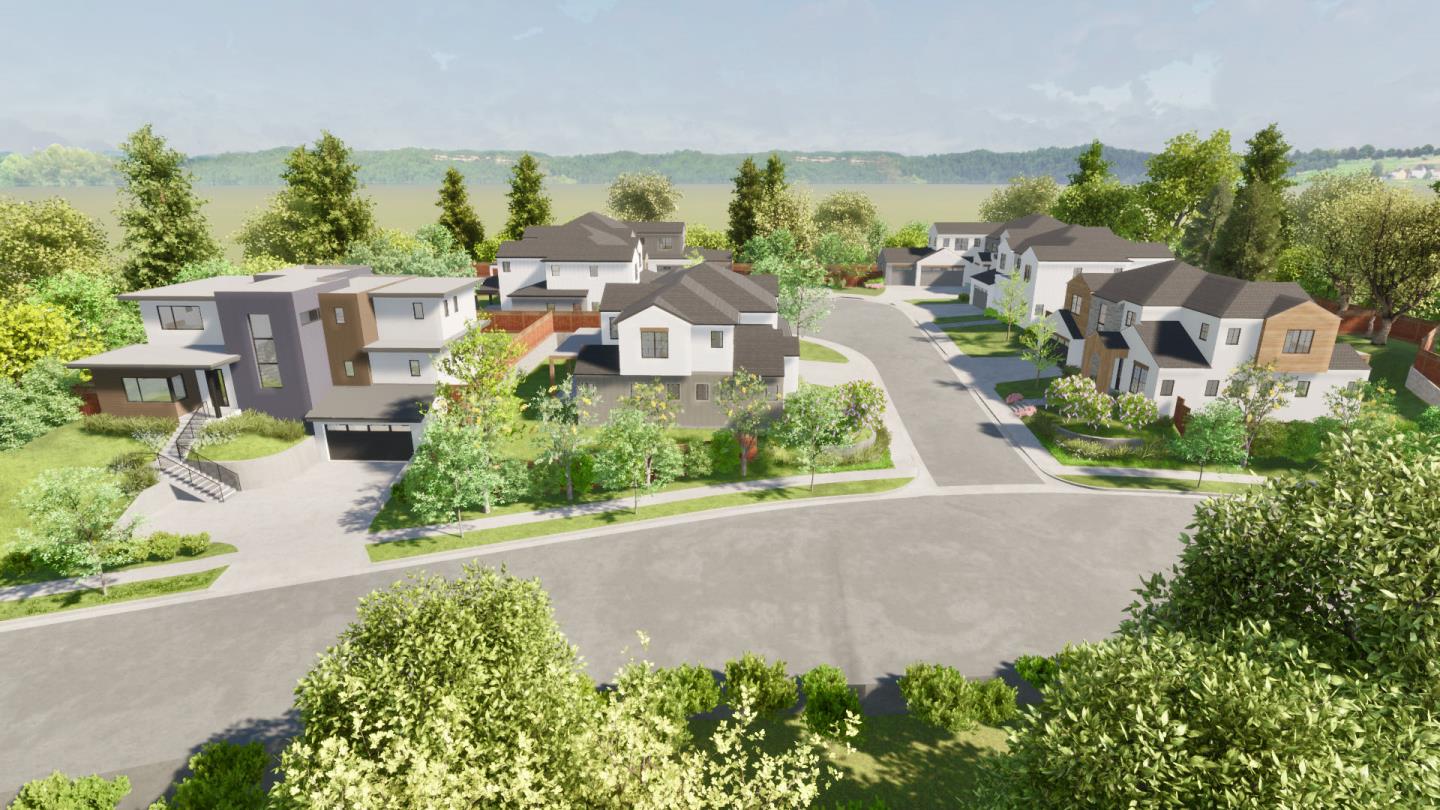
Toll Brothers is active in the luxury townhome segment, with projects including 3131 Camino and Toll Brothers at South Main designed specifically for high-earning tech professionals who want new construction without compromising on location. Pulte Homes has focused on transit-oriented density, with communities near the Berryessa and North San Jose BART stations that attract first-time buyers and young families prioritizing commute access over square footage.
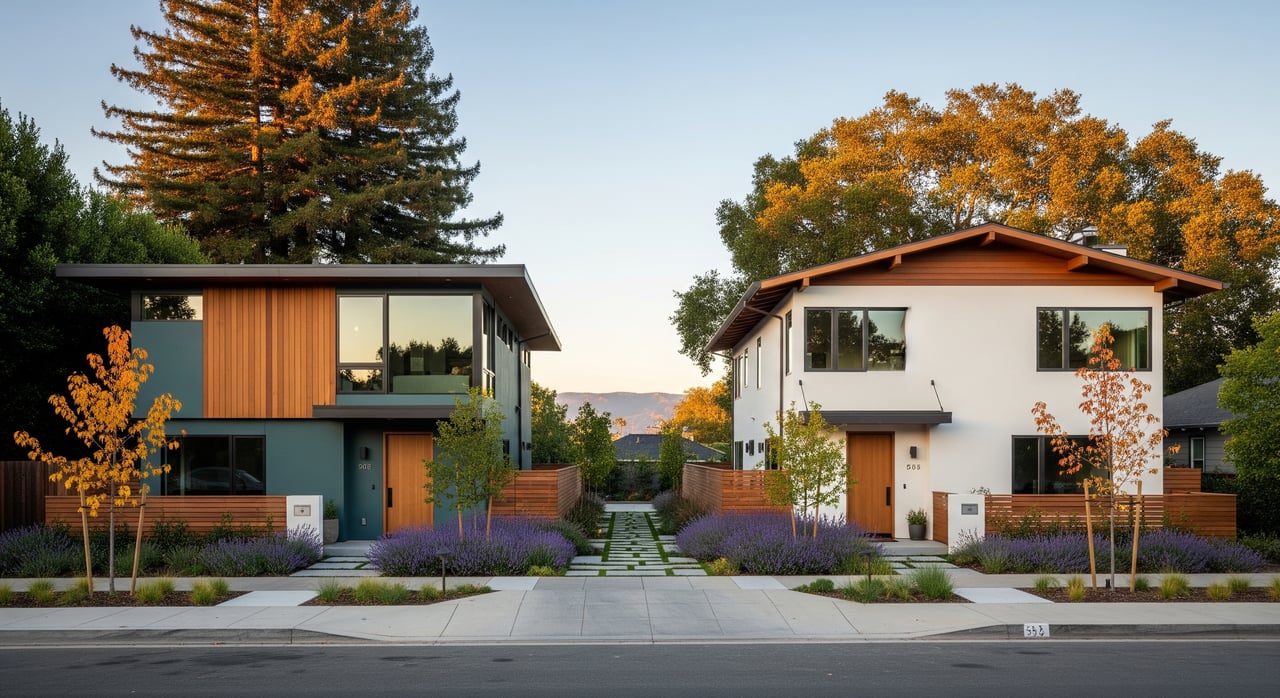
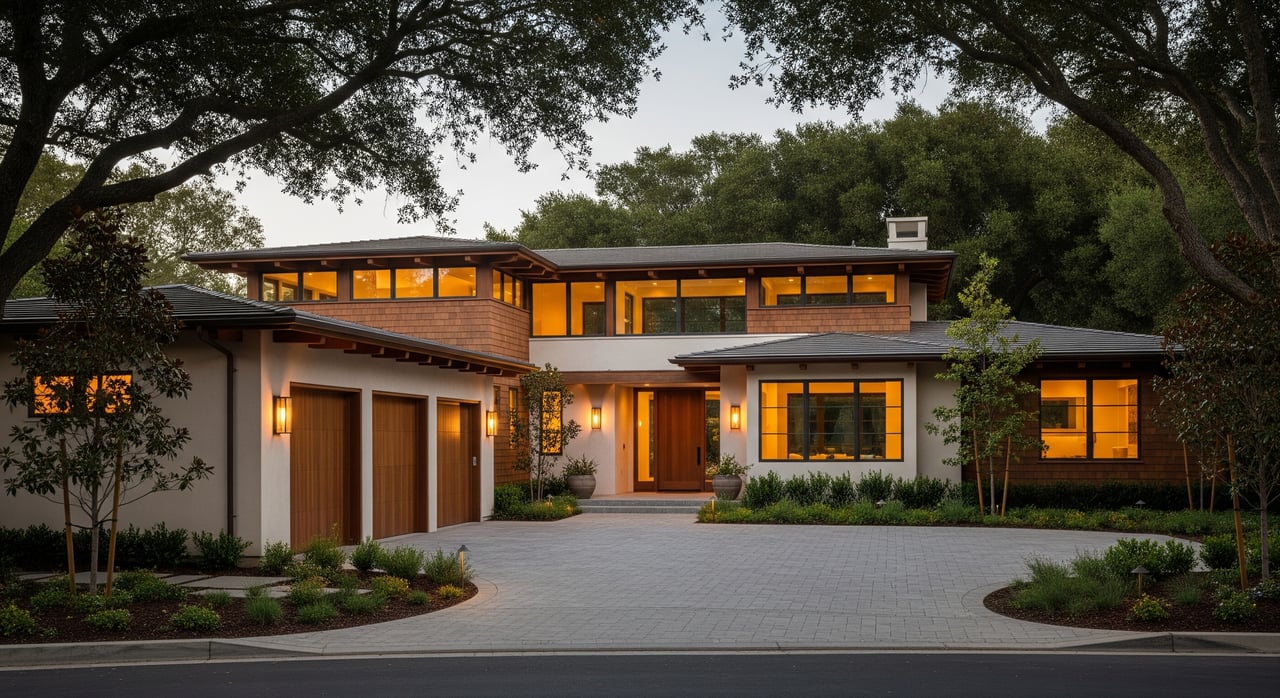
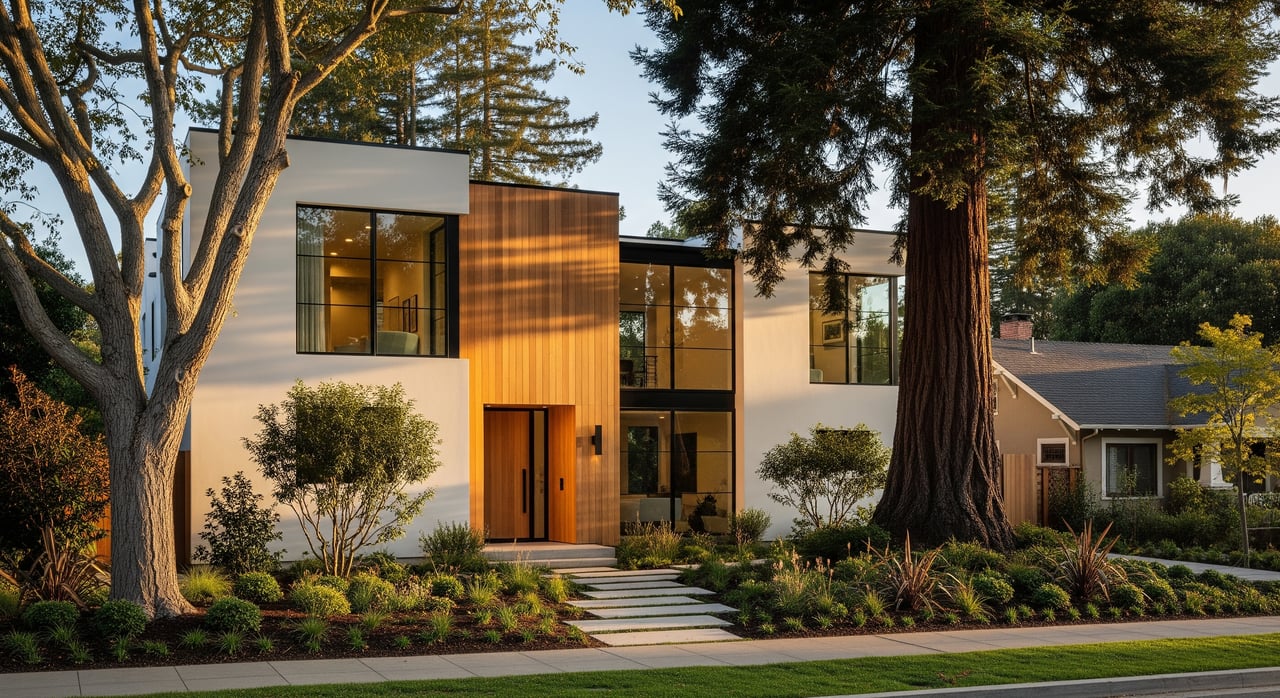
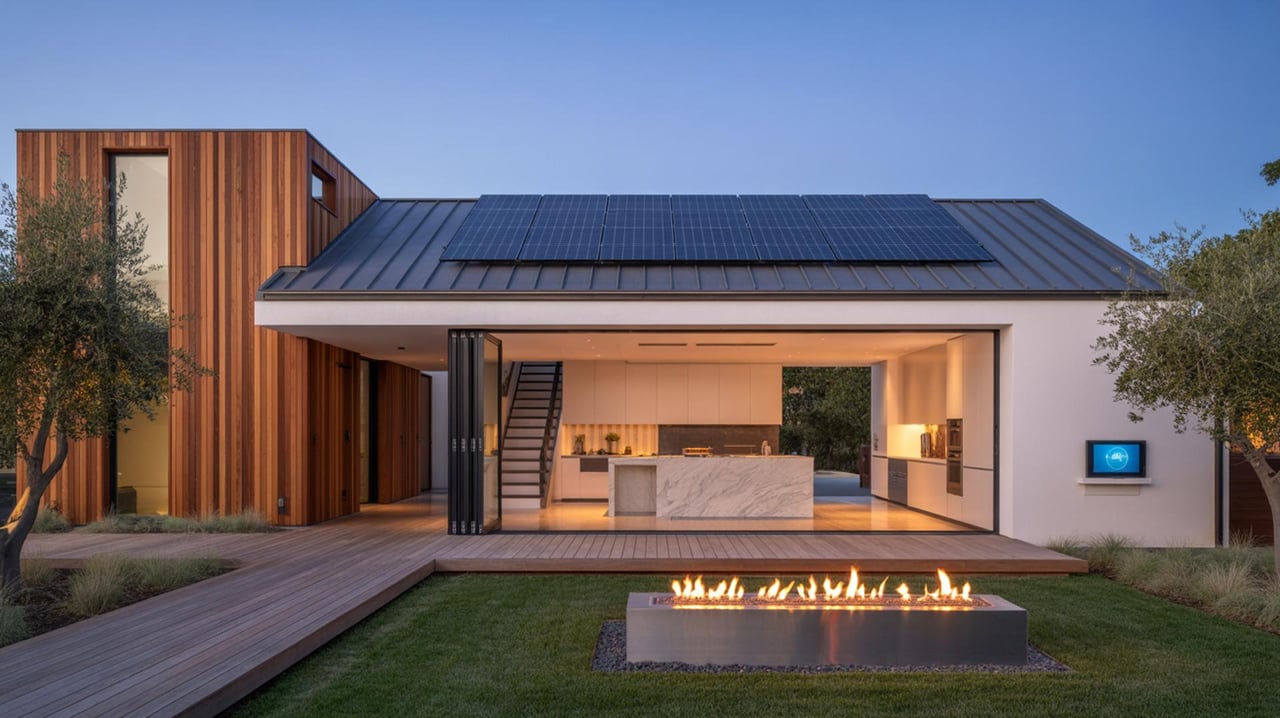
The most visible transformation is happening through companies like Thomas James Homes, which acquires older single-family homes in Willow Glen and the Rose Garden neighborhood, demolishes them, and replaces them with high-end modern farmhouses priced between $3 million and $4.5 million. The resulting streetscapes are changing the character of these neighborhoods in ways that divide longtime residents but attract significant buyer interest. Aro Homes and Veev are carving out a smaller niche in areas like Cambrian Park with precision-built, modular homes focused on sustainability and compressed construction timelines.
Buyers should expect compact lots, premium finishes, integrated smart-home technology, and HOA fees that reflect shared infrastructure and amenities. For condos and townhomes near transit, parking can be limited by design, making a dedicated garage space a genuine asset worth negotiating for.
Investment Properties in San Jose
San Jose is a low-cap-rate, high-appreciation market, and investors who approach it expecting strong immediate cash flow tend to be disappointed. The median rent in the San Jose metro is approximately
$3,363 per month as of early 2026, but the monthly carrying cost on a median-priced home with a standard 20% down
payment exceeds $9,000. The gap between owning and renting is among the widest in the country. That same gap, however, produces a captive renter population with a vacancy rate below 4%, giving landlords exceptional stability and consistent pricing power over time.
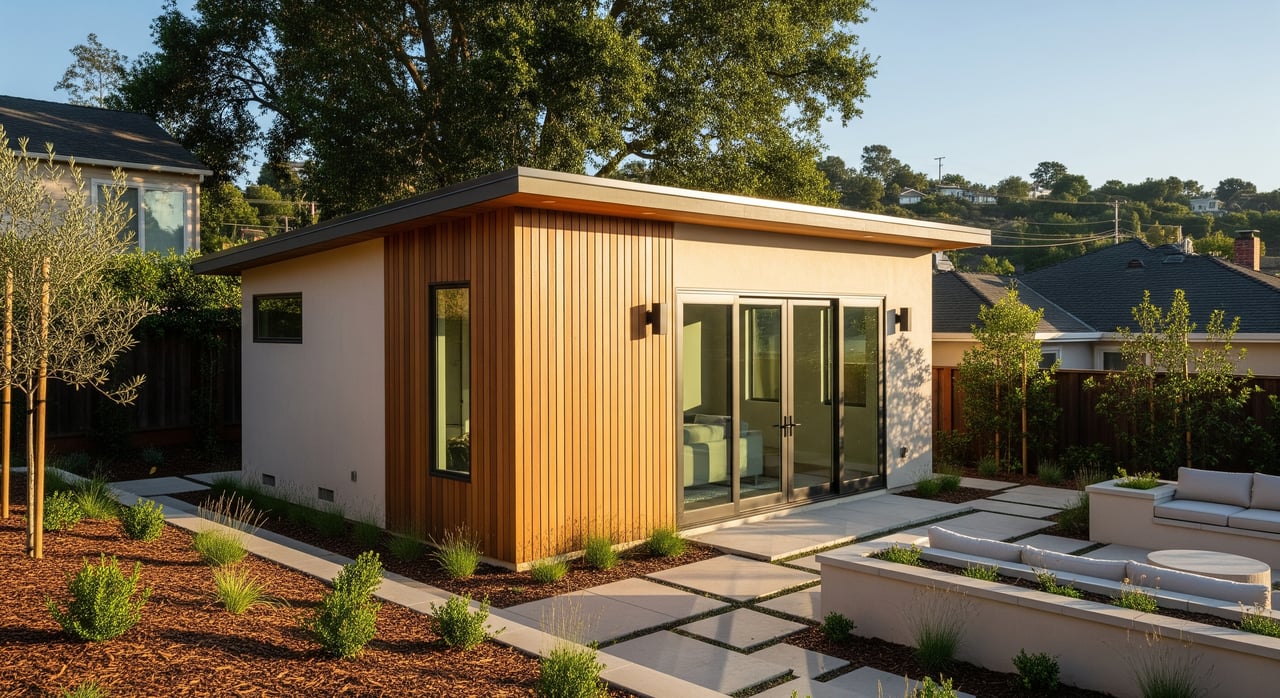
The strategies generating the most traction in 2026 are targeted rather than broad. In East San Jose and the Fairgrounds area, investors are acquiring older single-family homes on large lots specifically to build Accessory Dwelling Units. The city's
streamlined ADU permitting process has made this the most practical path to achieving something resembling positive cash flow in this market. Near Diridon Station, transit-oriented condos are drawing buyers focused on long-term appreciation tied to the Google Downtown West development and the eventual completion of the BART Downtown San Jose extension. For fix-and-flip operators, the viable target is a cosmetic fixer in the $1.1 million to $1.3 million range in neighborhoods like Burbank or Sunol-Midtown, with a realistic resale target near $1.6 million.
One emerging opportunity worth tracking: the
Santa Clara County assessor's office and the City of San Jose are both expanding incentives for commercial-to-residential conversions in the Downtown core. Distressed office space is beginning to move toward housing, and early-positioning investors are starting to pay attention.
Selling a Home in San Jose
The "list it and they will come" approach that defined San Jose selling in the early 2020s has given way to something more deliberate. The market still favors sellers, but the intensity of any given sale now depends heavily on how a property is prepared and priced in the first two weeks of listing.
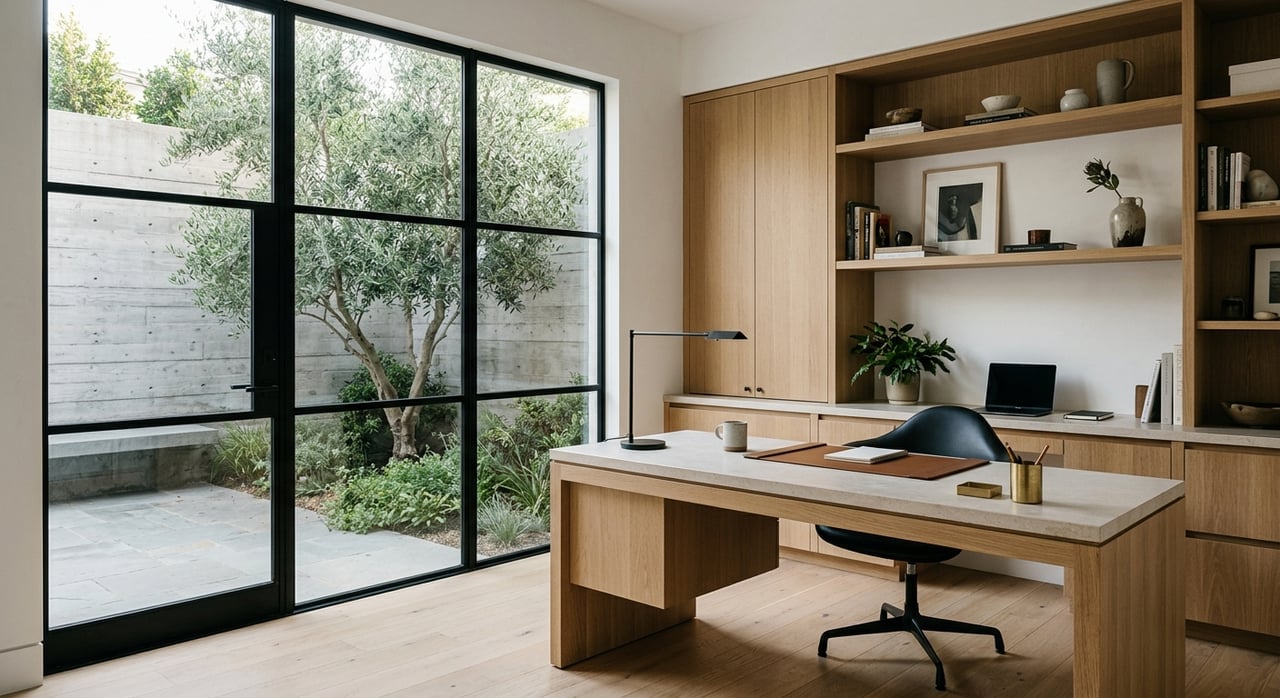
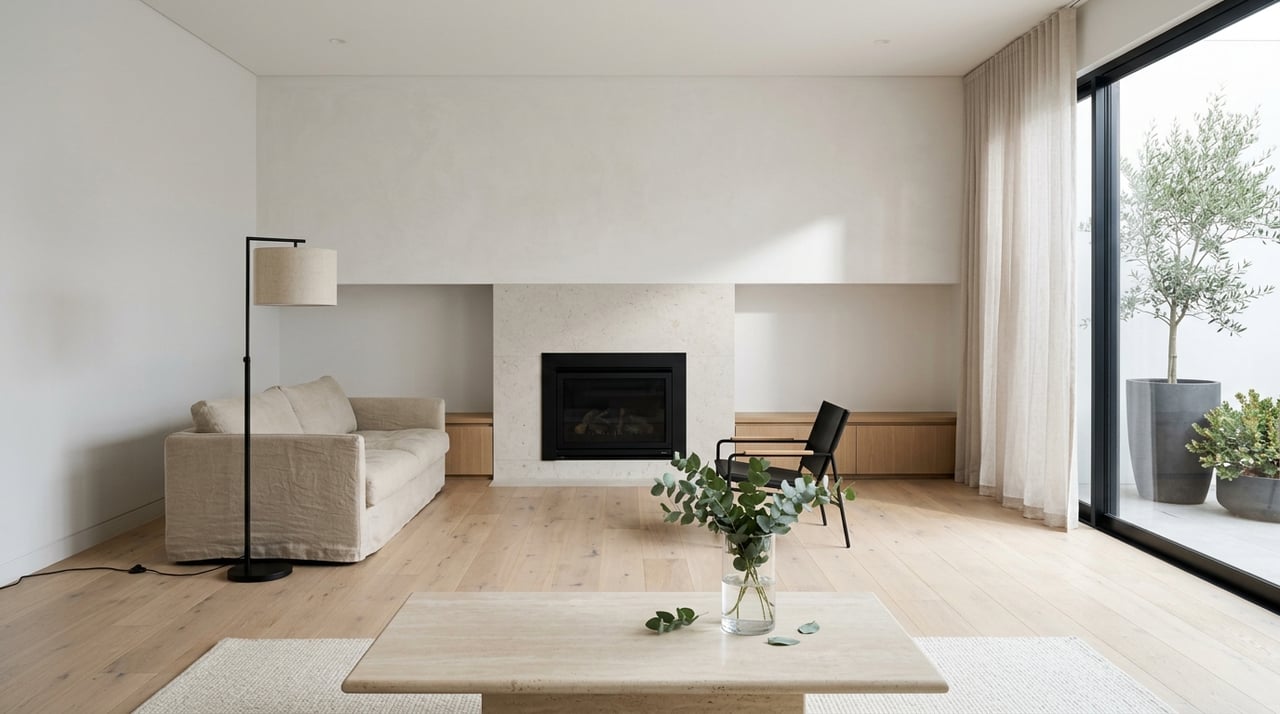
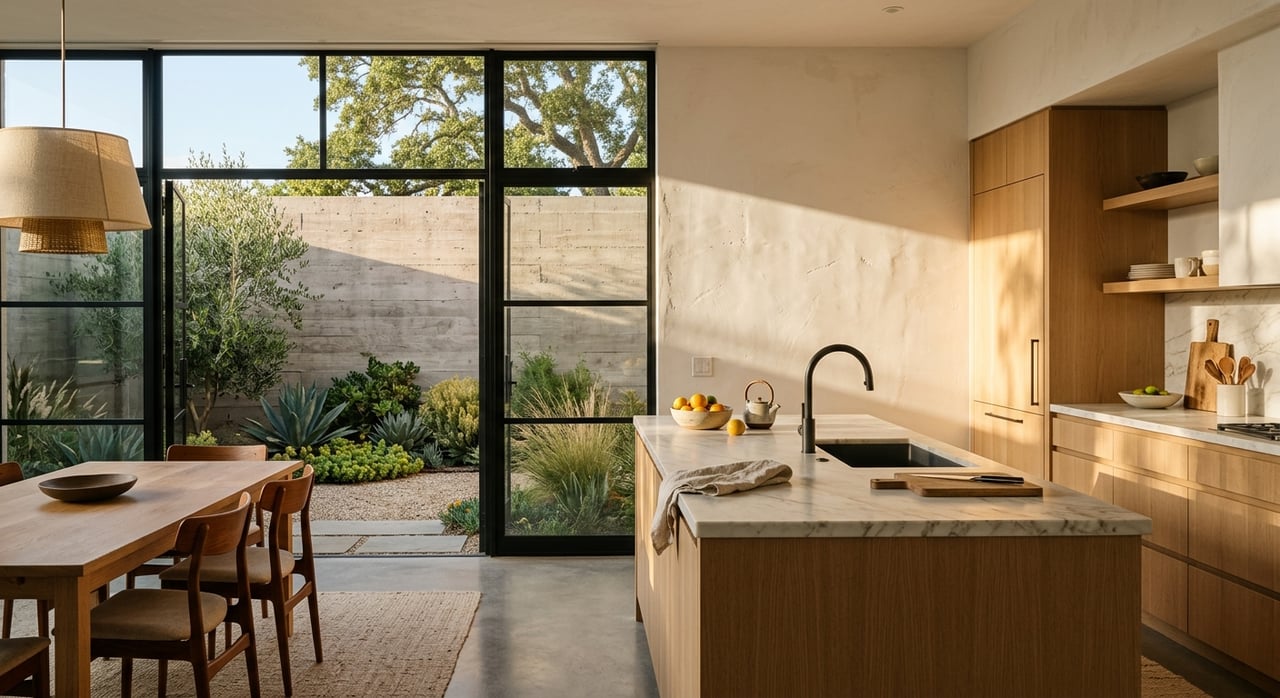
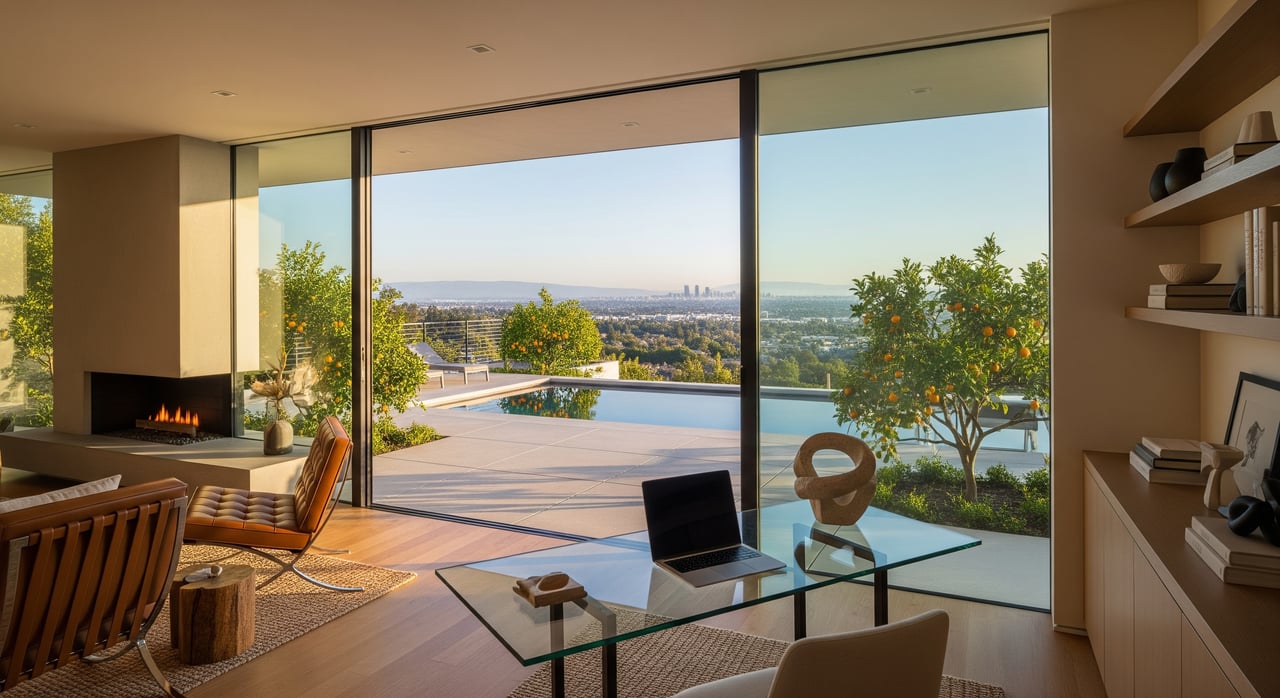
Buyers in 2026 are more selective than they were three years ago, and they have more options. Homes that are not move-in ready are sitting longer and drawing fewer offers. The staging aesthetic has shifted away from cool greys and minimalist Scandinavian interiors toward what designers are calling minimalist luxury: warm neutrals, terracotta, natural wood, indoor greenery, and biophilic elements that feel grounded rather than clinical. A dedicated, well-designed home office is no longer a selling point — it is an expectation. On properties where the lot permits an ADU, effective staging often includes visual cues that help buyers identify and envision that potential, which can meaningfully expand the buyer pool.
Sellers who provide a pre-inspection report at the open house are consistently seeing cleaner offers with fewer contingencies. In a market where buyers are cautious about rates and long-term carrying costs, reducing uncertainty about a property's condition is frequently more valuable than a price reduction.
How to Price Your Home in San Jose
Pricing strategy in San Jose runs counter to the instincts of many first-time sellers. The impulse is to start high and negotiate down. The data in 2026 argues for the opposite. Because homes are selling at an average of 105% of list price, the most effective approach is pricing slightly below the expected final sale price to generate competition and drive buyers past that number organically. Listing at the absolute ceiling of a property's value tends to stall the listing, and a stalled listing in this market signals problems even when none exist.
Comparable sales from 2024 or early 2025 are largely unreliable for pricing purposes today. Mortgage rate fluctuations over the past twelve months have altered buyer purchasing power in ways that make older comps misleading. The reliable window is the last 60 to 90 days, using hyperlocal sales within the same school district and similar lot configuration.
Price thresholds matter on major platforms. In many San Jose neighborhoods, $1,499,000 attracts a measurably larger buyer pool than $1,510,000 because of search filter cutoffs on Zillow, Redfin, and similar portals. Positioning a home at the lower end of a higher price bracket captures more affluent buyers than sitting at the top of a lower one. New construction townhomes nearby represent real competition for move-up buyers and should be factored into positioning, not ignored.
Making an Offer in San Jose
Winning in the San Jose market in 2026 requires an offer that signals certainty as much as price. The average competitive listing draws three to four offers, and sellers have become sophisticated at identifying which offers are likely to close cleanly versus which are likely to create friction.
Pre-inspections have become a standard component of competitive offer strategy. When a seller has provided a robust disclosure packet, the strongest buyers are reviewing that material in advance and either shortening inspection contingencies to three to five days or waiving them entirely. Appraisal contingencies are frequently shortened or waived when a buyer has the financial reserves to bridge an appraisal gap, and the willingness to cover a specific gap amount — for example, up to $50,000 above appraised value not to exceed the purchase price — often serves as the deciding factor in close multi-offer situations.
Escalation clauses are common but require precision. A credible escalation structure might be a $1.6 million base price escalating in $15,000 increments above any competing bona fide offer, with a cap of $1.75 million. Sellers often favor the offer with the highest floor price over one with a high ceiling that feels speculative. One non-price lever that consistently moves sellers: a 30-day free rent-back period. Many San Jose sellers are simultaneously buyers in a difficult market, and the ability to remain in their home after closing while searching for their next property is frequently more valuable than an additional $25,000 on the purchase price.
San Jose Property Taxes
Property taxes in San Jose are governed by Proposition 13, which sets the base rate at 1% of assessed value, typically the purchase price. Once voter-approved bonds for schools, parks, and public safety are added, the effective total rate in San Jose generally falls between 1.15% and 1.25%. On a home purchased at the current median of $1,650,000, the annual tax bill runs approximately $19,000 to $20,600, paid in two installments. The first becomes delinquent after December 10, the second after April 10.
The Proposition 13 cap on annual assessment increases — a maximum of 2% per year regardless of market appreciation — creates a compounding advantage for long-term owners and a significant cost disadvantage for new buyers entering at current prices. A neighbor who purchased the same floor plan ten years ago may be paying less than half your annual tax bill.
Buyers looking at new developments in North San Jose or newer communities in South San Jose should investigate whether the property sits within a Mello-Roos Community Facilities District. These special assessments, layered on top of the base rate to fund infrastructure built for those specific developments, can add several thousand dollars per year to carrying costs and are not always prominently disclosed in listing materials. The Santa Clara County Assessor's office has moved to a fully digital filing and tracking system in 2026, making it easier to research assessment history before making an offer.
Who Lives in San Jose?
San Jose resists simple demographic characterization. The city contains enough geographic and cultural range that the person buying in Almaden Valley and the person buying near Berryessa BART may share very little in their daily lives beyond a ZIP code region.
Tech professionals and dual-income households concentrated in AI and software dominate the buyer pool in West San Jose, along the Cupertino border, and in Willow Glen. These are buyers who measure commute times to Nvidia and Apple, care about walkable retail on Lincoln Avenue or Santana Row, and are willing to pay a premium for both. Families oriented around school quality gravitate toward Cambrian Park, Almaden Valley, and Blossom Valley, drawn by the Union and Cambrian school districts and a lifestyle built around youth sports, swim clubs, and access to Quicksilver County Park.
Downtown, Japantown, and the Little Italy corridor attract a younger, more urban cohort — Gen Z and millennial professionals who prioritize walkability, transit access, and a food and nightlife scene over square footage. The Villages in Evergreen and the Silver Creek gated communities serve a 55-plus population seeking security, golf-course proximity, and a quieter pace after careers built in the valley. Berryessa and North San Jose are drawing a growing number of first-time buyers and young families who want modern construction, reasonable square footage, and BART access without the price premium of the west side.
San Jose Architecture & Home Styles
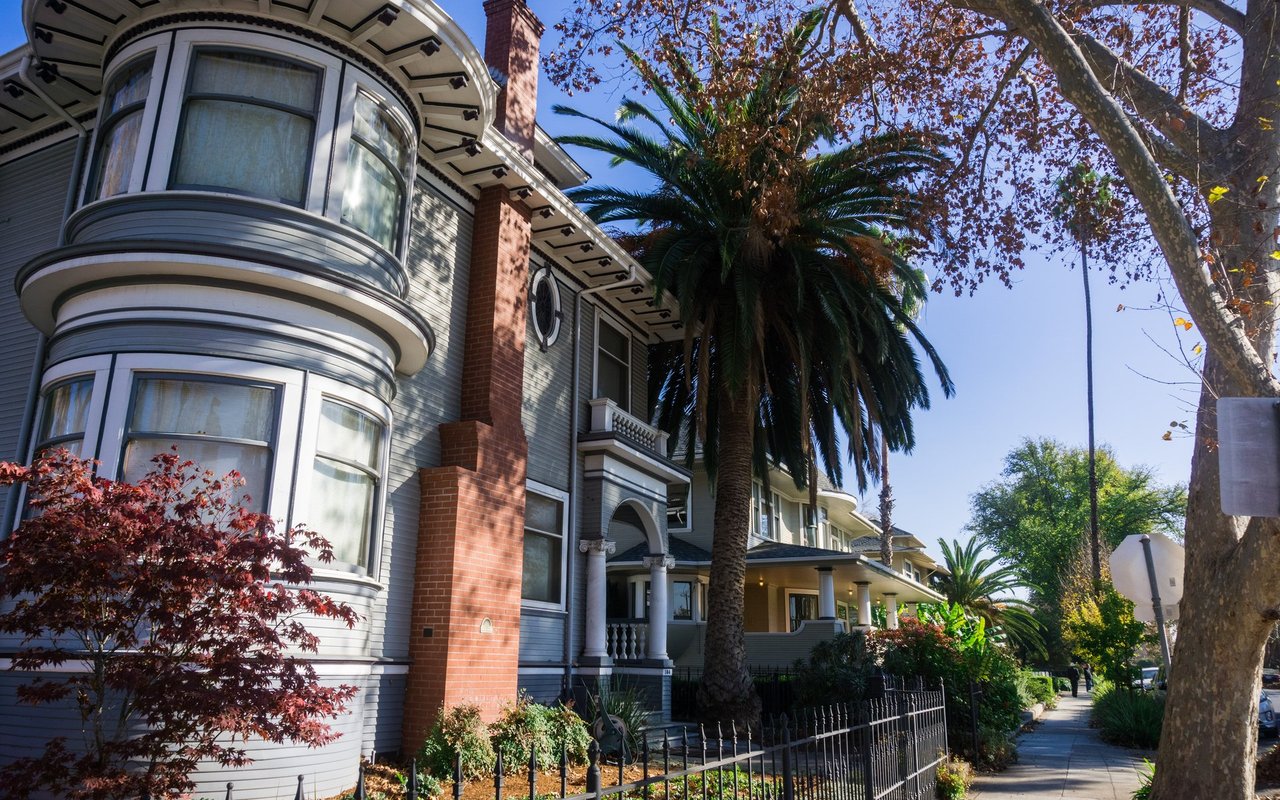
San Jose's built environment is a layered timeline of California history, and different neighborhoods are defined by entirely different eras. The Hensley Historic District and parts of Downtown contain Victorian and Italianate homes from the late 19th century, when San Jose was an agricultural city still shaped by its Spanish colonial origins. Many of these have been converted to multifamily use or commercial space, but intact examples appear on the market occasionally and attract buyers who value irreplaceable craftsmanship.
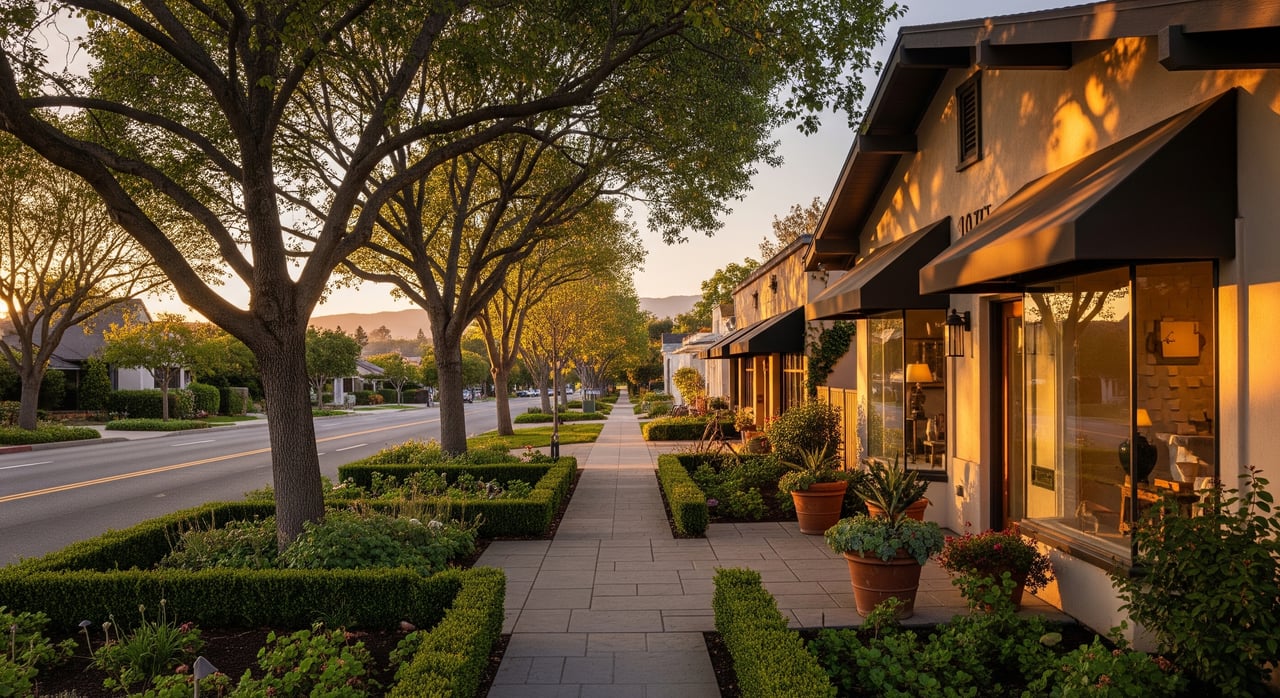
Naglee Park and the Rose Garden are the primary addresses for California Craftsman architecture — low-pitched roofs, wide front porches with tapered columns, exposed rafter tails, and built-in cabinetry that predates the open-plan era. These neighborhoods have maintained their character largely through active preservation communities and buyers who choose them specifically for the architecture.
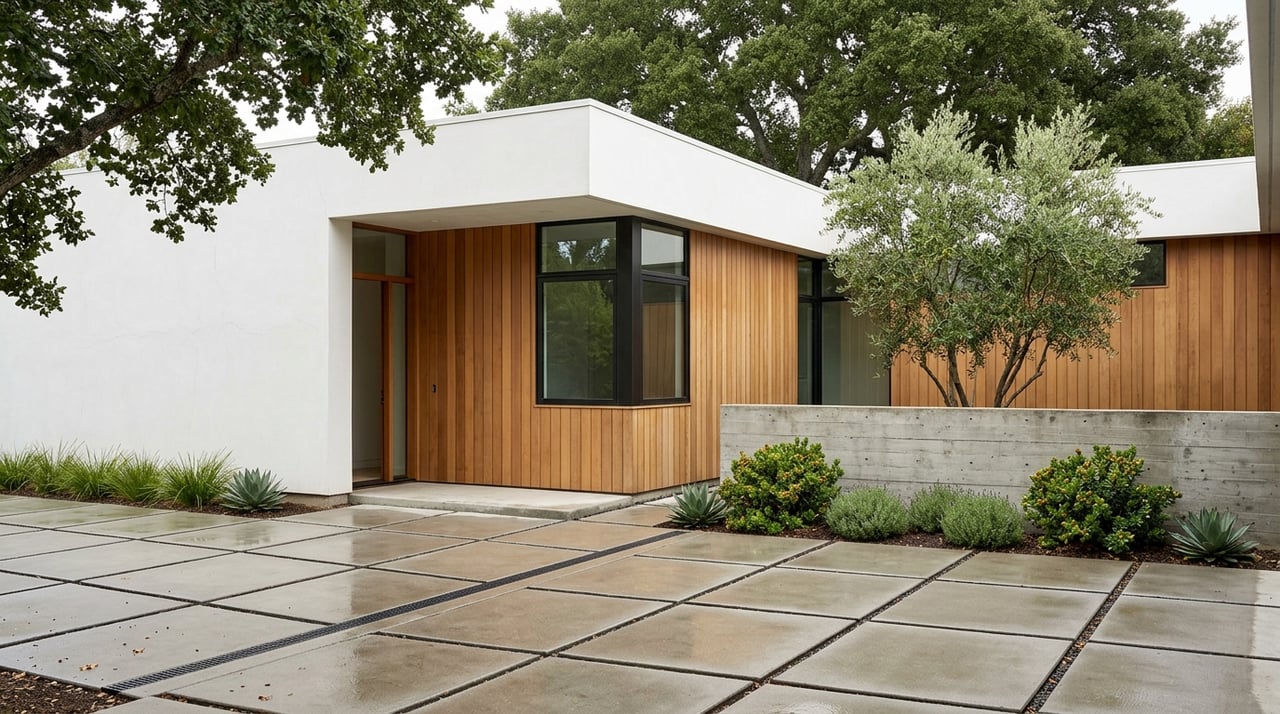
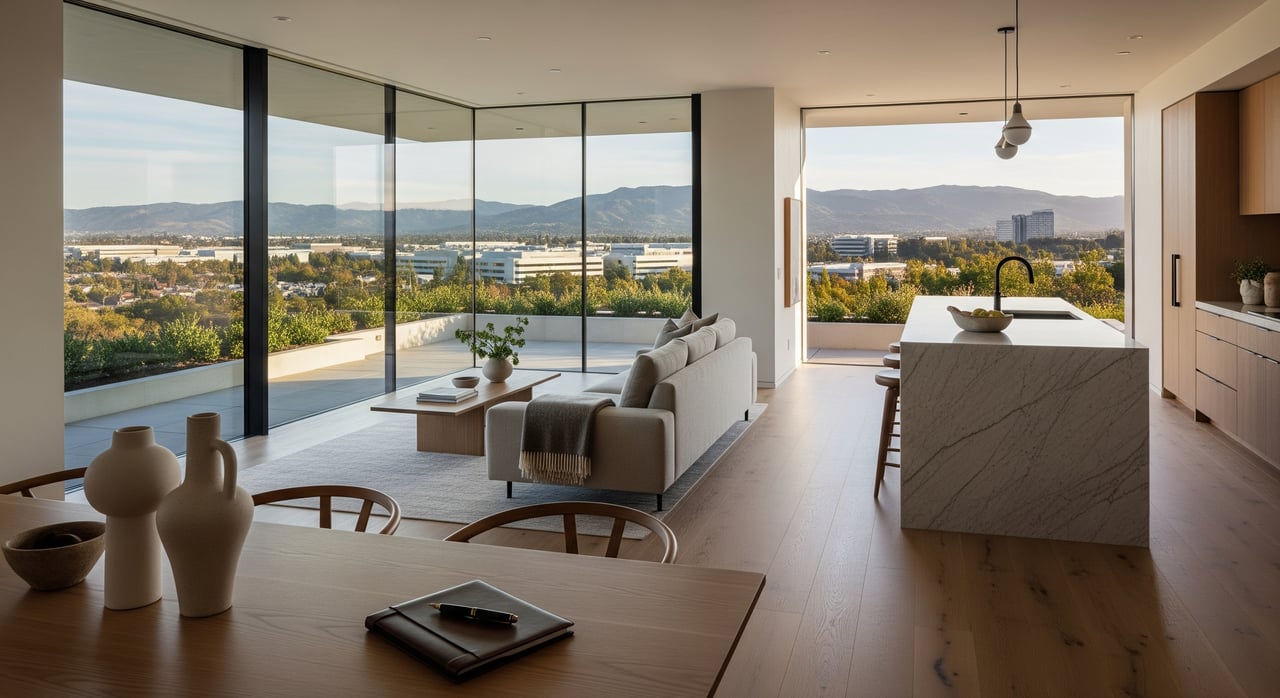
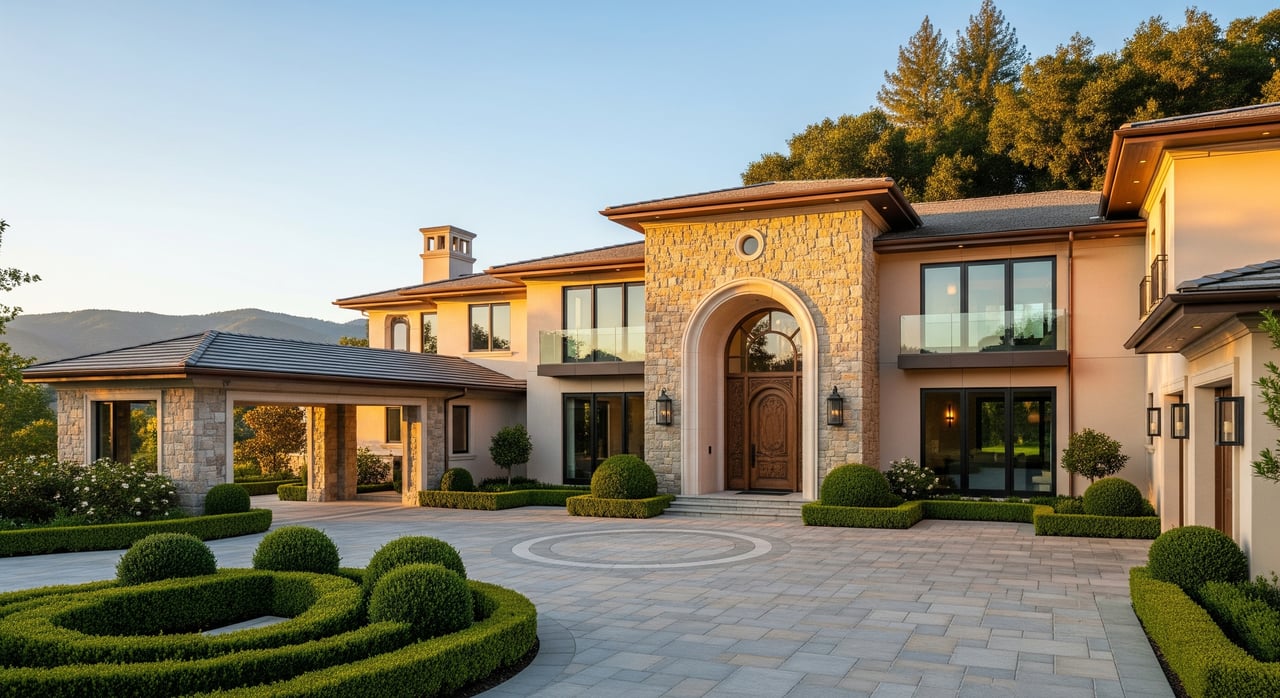
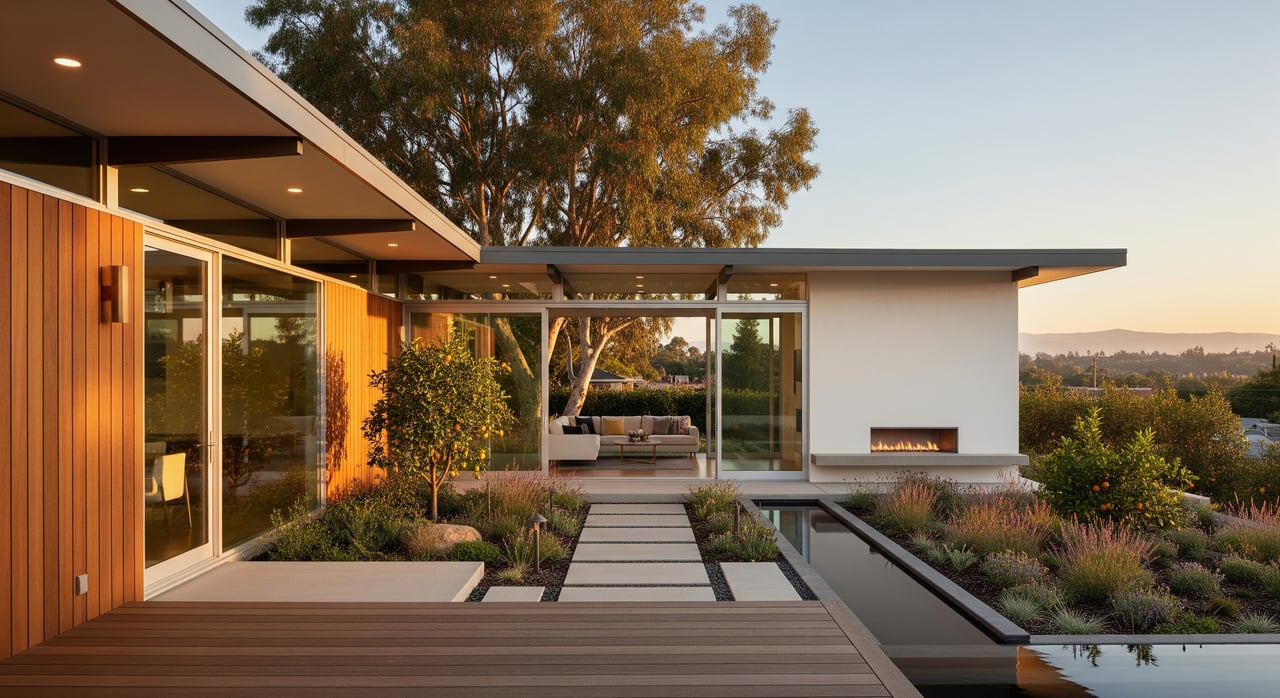
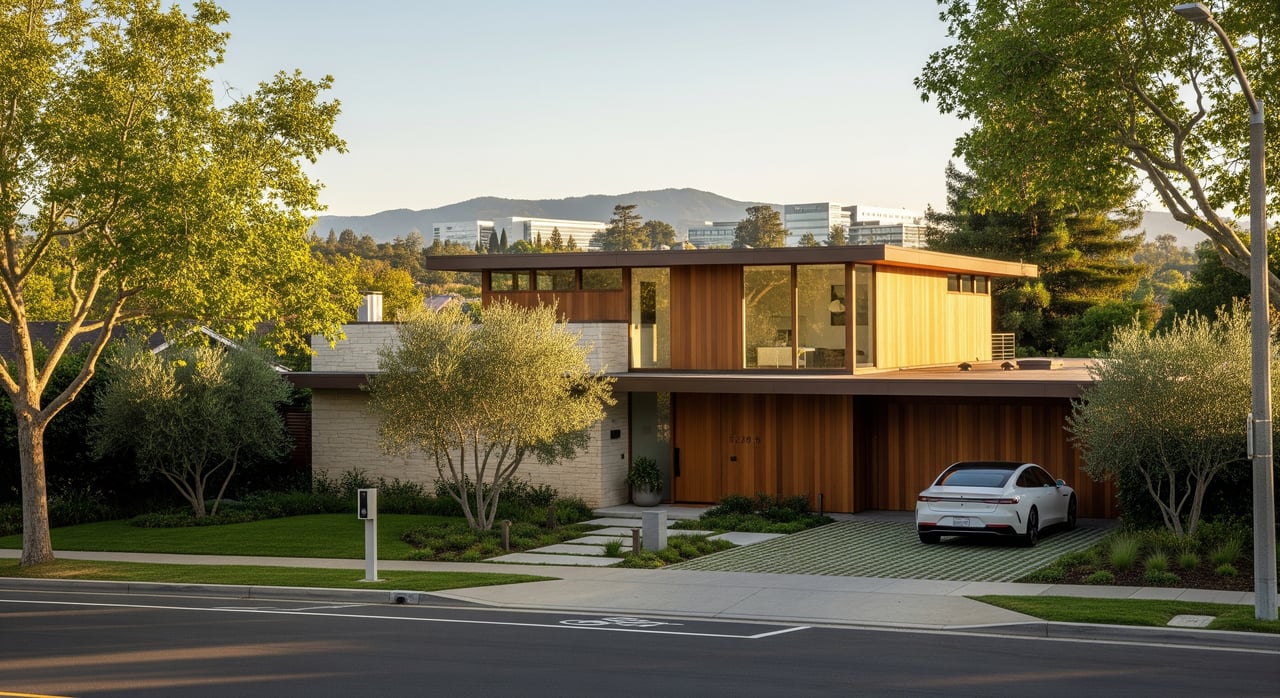
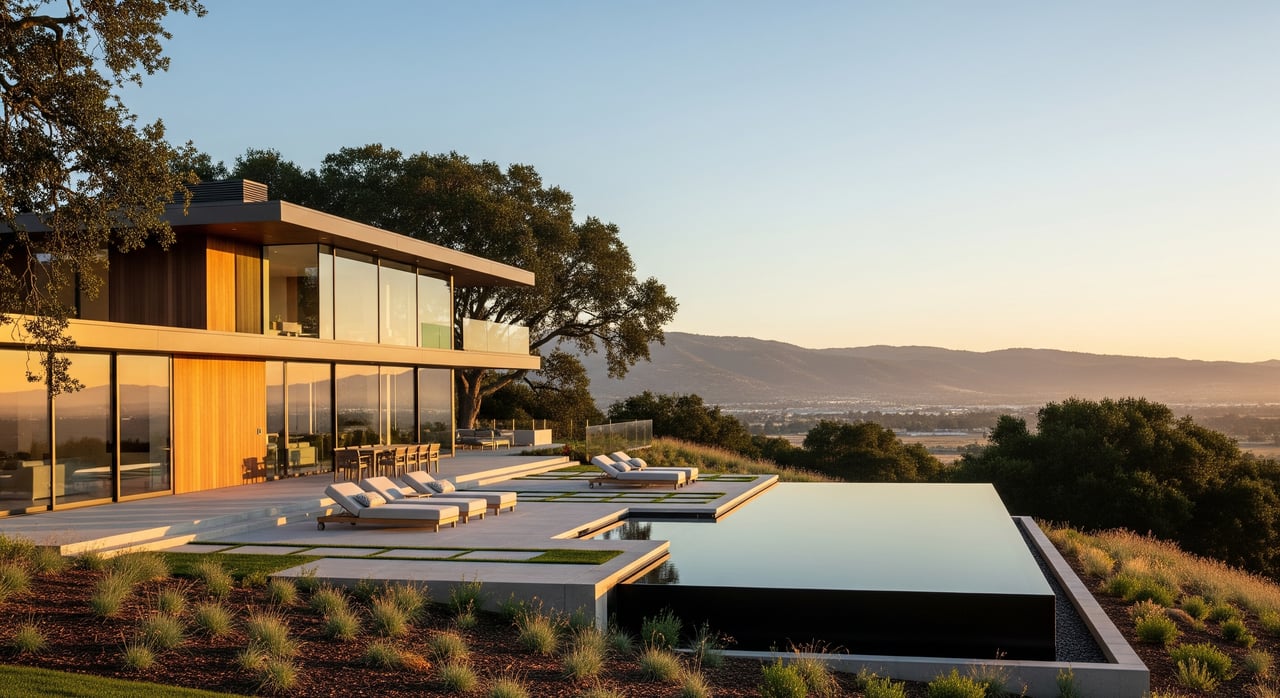
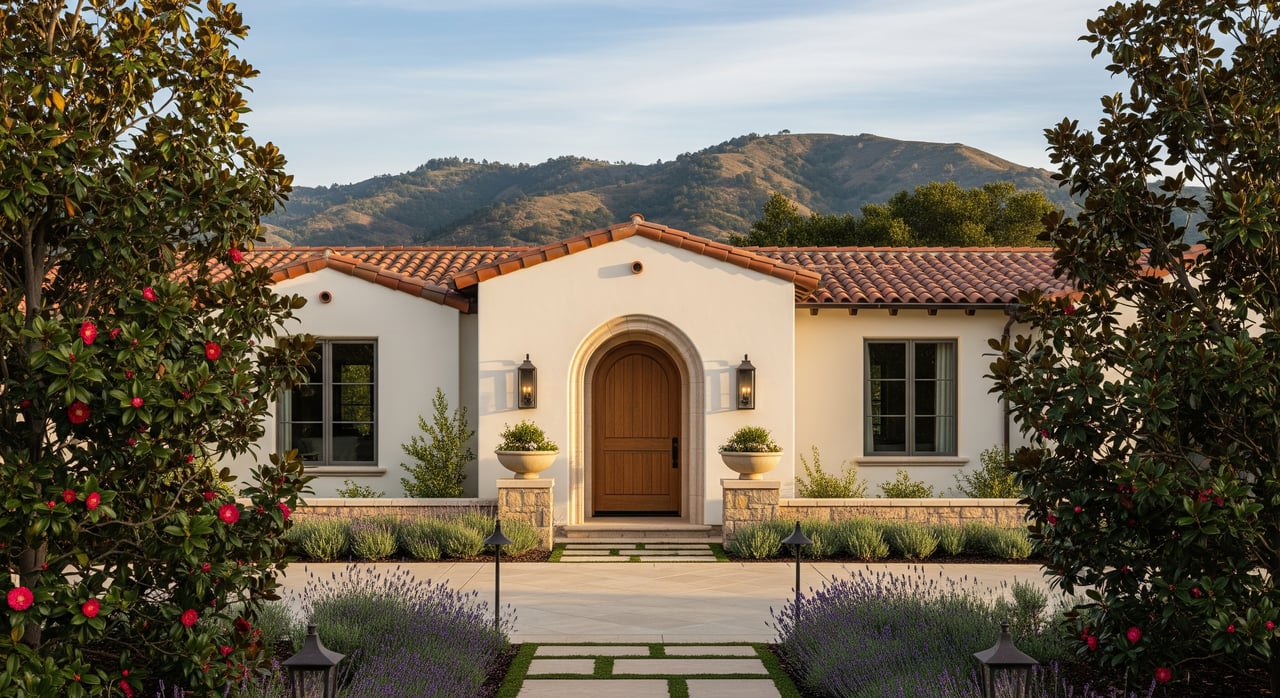
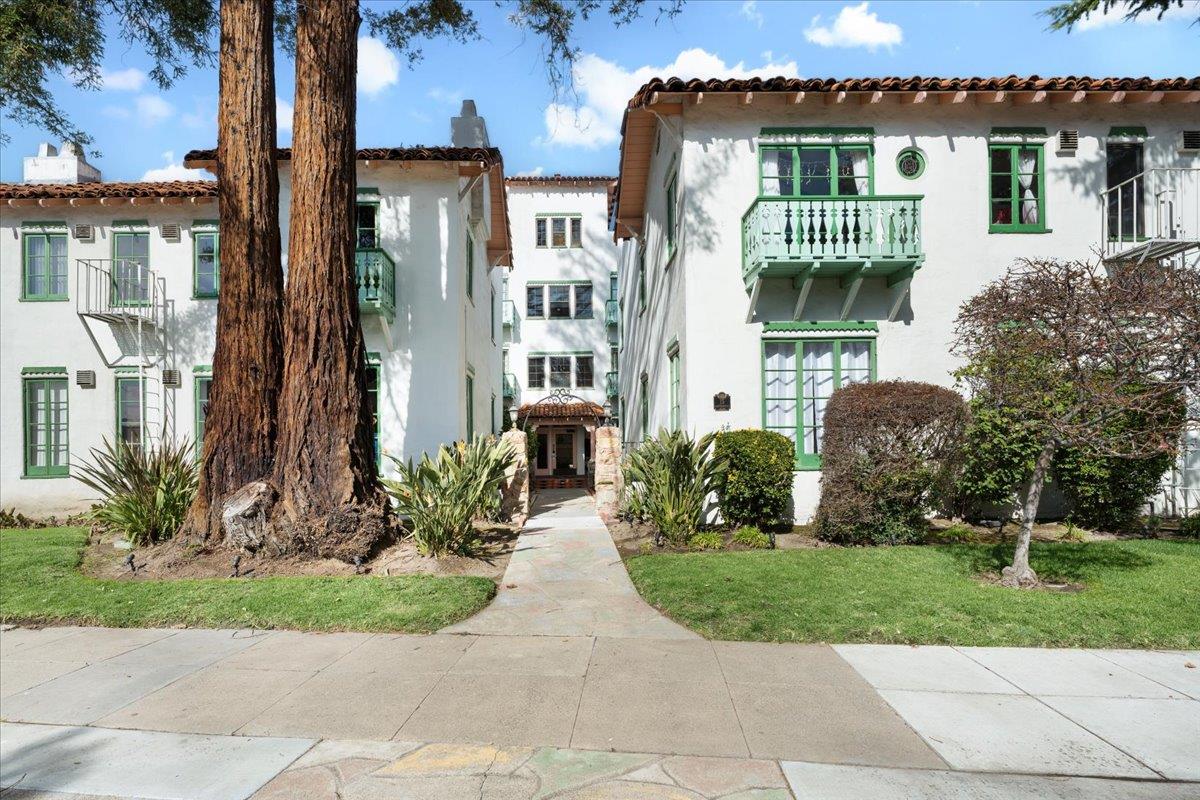
The most coveted homes among a certain buyer profile are the Eichlers concentrated in Willow Glen and Fairglen. These mid-century modern tracts from the 1950s and 1960s feature floor-to-ceiling glass walls, radiant floor heating, and open central atriums that blur the line between interior and exterior. They are relatively rare, command premium prices, and tend to trade quickly when they come to market. Almaden Valley and Silver Creek are defined by Mediterranean and Spanish Revival architecture: terracotta tile roofs, stucco exteriors, arched doorways, and interiors organized around formal living and dining rooms. Newer development in the Downtown core has moved toward biophilic high-rise design incorporating aluminum, glass-fiber-reinforced concrete, and integrated balcony greenery.
About San Jose, CA
San Jose's location within the booming
high-tech industry, as a cultural, political, and economic center, has earned the city the nickname "Capital of
Silicon Valley". San Jose is one of the wealthiest major cities in the United States and the world, and has the third-highest GDP per capita in the world (after
Zürich, Switzerland, and
Oslo, Norway), according to the
Brookings Institution. The San Jose Metropolitan Area has the most millionaires and the most billionaires in the United States per capita. With a median home price of $1,085,000. San Jose has the most expensive housing market in the country and the fifth most expensive housing market in the world, according to the 2017 Demographia International Housing Affordability Survey. Major global tech companies, including
Cisco Systems,
eBay,
Adobe Systems,
PayPal,
Broadcom,
Samsung,
Acer,
Hewlett Packard Enterprise, and
Western Digital, maintain their headquarters in San Jose, in the center of Silicon Valley.
Besides those mentioned above, some well-known communities within San Jose include
Japantown,
Rose Garden,
Midtown San Jose,
Willow Glen,
Naglee Park,
Burbank,
Winchester,
Alviso,
East Foothills,
Alum Rock,
Communications Hill,
Little Portugal,
Blossom Valley,
Cambrian,
Almaden Valley,
Silver Creek Valley,
Evergreen Valley,
Edenvale, Santa Teresa,
Seven Trees,
Coyote Valley, and
Berryessa. A distinct ethnic enclave in San Jose is the Washington-Guadalupe neighborhood, immediately south of the
SoFA District; this neighborhood is home to a community of
Hispanics, centered on Willow Street.
With an astounding network of 60 miles of trails (walking, hiking, biking) and 285 miles of on-street bikeways, San Jose extensively connects residential neighborhoods to places of recreation and work, making it a leader in green commuting. Often commended as one of the healthiest USA cities, San Jose and its vicinity offer dozens of nature-cherished, outdoor activities, such as the 5.5-acre Municipal Rose Garden (4,000 rose shrubs with 189 varieties), 5,242-acre
Castle Rock State Park (with giant redwood and fir trees, horseback riding and rock climbing), 3.3-acre
Historic Orchard (with more than 200 fruit trees), 4,471-acre
Calero Reservoir County Park, 740-acre
Alum Rock Park (within a canyon in the foothills of the Diablo Mountain Range), 172-acre Kelley Park (with a butterfly garden and Japanese friendship gardens) and Almaden Lake Park with 65 acres of land, 30 acres of the lake (for paddle boating, fishing, playing horseshoes, volleyball and bocce ball).
Talk to a San Jose Real Estate Expert
If you are navigating the San Jose market, whether as a buyer, seller, or investor, the conversations that matter most happen before you make a move. Payne Sharpley is a Silicon Valley-based agent operating across Santa Clara and San Mateo Counties, with a track record that reflects genuine market knowledge rather than generic hustle. In his first nine months full-time, Payne cleared $25 million in sales volume, placing in the top 5% of agents in Santa Clara County in 2024. His current pipeline includes five new construction projects launching in Los Gatos and Cupertino.
What sets Payne apart in a market this competitive is a combination that is rarely found in the same agent: an advanced economics background, fluency in Mandarin that opens doors in San Jose's significant Chinese-speaking buyer and seller community, and deep familiarity with the negotiation dynamics on both sides of a transaction. He has been featured in Haven magazine, recognized by IssuWire as a Top Agent in the U.S., and profiled in Silicon Valley Real Producers.
Whether you are considering a listing in Almaden Valley, competing for a home in West San Jose, or evaluating a development opportunity, Payne brings the analytical precision and personal commitment to make the process work in your favor.
Reach Payne directly at (650) 680-8886, by email at
[email protected], or visit paynesoldit.com to browse current listings and learn more.